


The Foundation: Backpack and Rain Cover
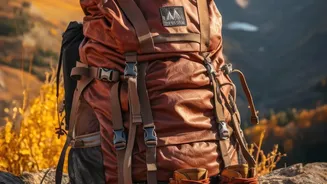
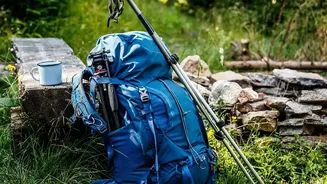
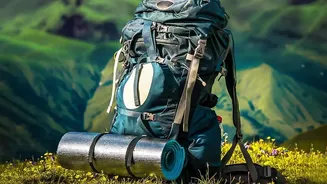
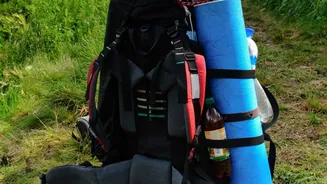
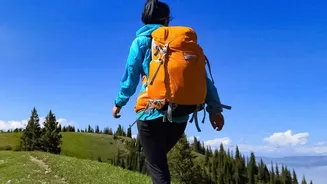
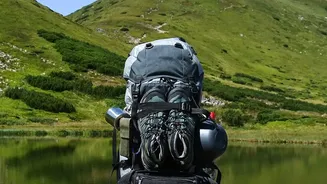
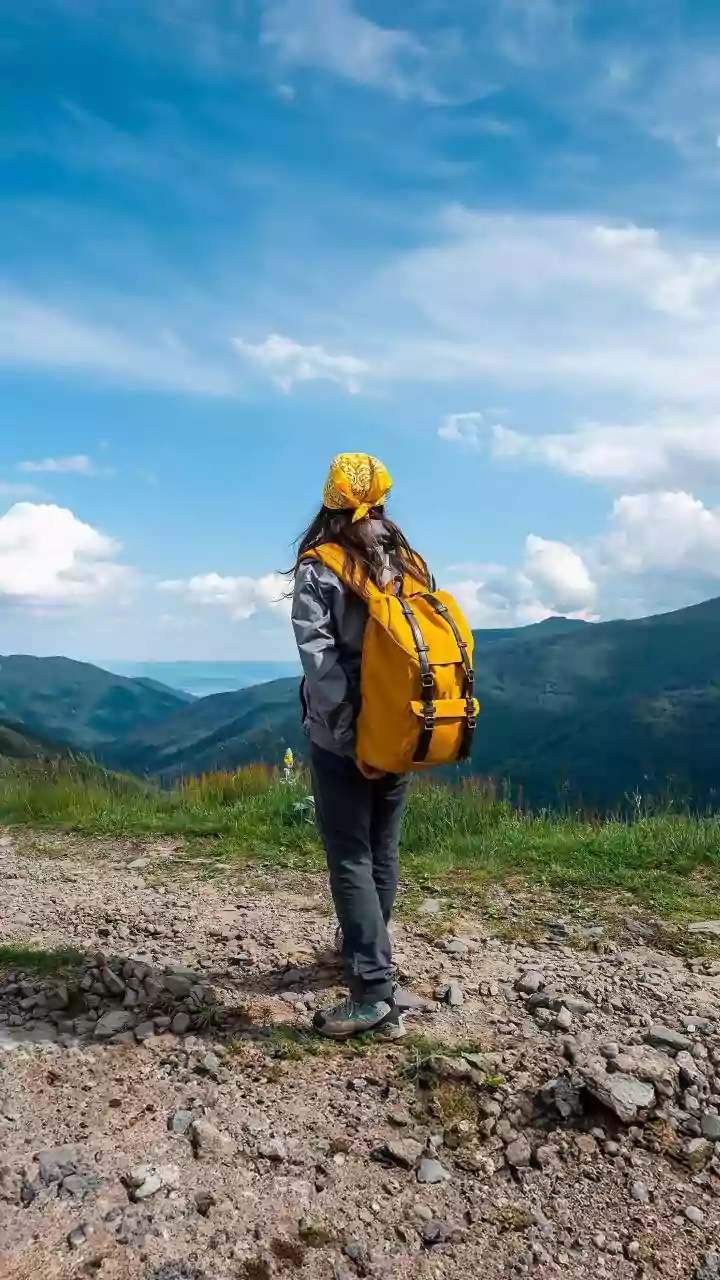
Your journey begins with the right backpack. For a day trek, a 20-30 litre capacity bag is usually sufficient. Look for one with comfortable shoulder straps and good back support. However, the most critical feature for a monsoon trek is its protection
from rain. Your backpack must have a dedicated rain cover. Many bags come with one stored in a bottom pocket, but if not, purchase one separately. This is your first line of defence to keep everything from clothes to electronics from getting soaked in a downpour. For an added layer of protection, line the inside of your pack with a large, heavy-duty plastic bag before you start packing.
Footwear: Your Most Critical Decision
Monsoon trails, especially in ranges like the Sahyadris, are known for their slippery volcanic rock and muddy paths. Standard sports shoes or sneakers are dangerous as they lack the necessary grip. You must invest in proper waterproof trekking shoes with high ankle support and deep lugs on the outsole for superior traction. A waterproof membrane, like Gore-Tex or a similar proprietary technology, is essential for keeping your feet dry during hours of rain or while crossing streams. Remember to buy shoes that are about a half or one size larger than your normal size to account for foot swelling and prevent blisters. And never wear a brand new pair on a long trek; break them in on shorter walks first.
Clothing: The Quick-Dry Layering Strategy
The golden rule for monsoon trekking attire is to strictly avoid cotton. Cotton absorbs a massive amount of moisture, takes a very long time to dry, and will leave you feeling cold and heavy. Instead, opt for a layering system of synthetic, quick-dry fabrics. Your base layer should be a moisture-wicking t-shirt. Over this, a fleece jacket can provide insulation if it gets cold at higher altitudes. Your outermost layer must be a reliable waterproof and breathable rain jacket or a poncho. A poncho offers the added benefit of covering you and your backpack. Also, pack at least two pairs of synthetic or wool-blend socks to ensure you always have a dry pair to change into.
Safety and Navigation Essentials
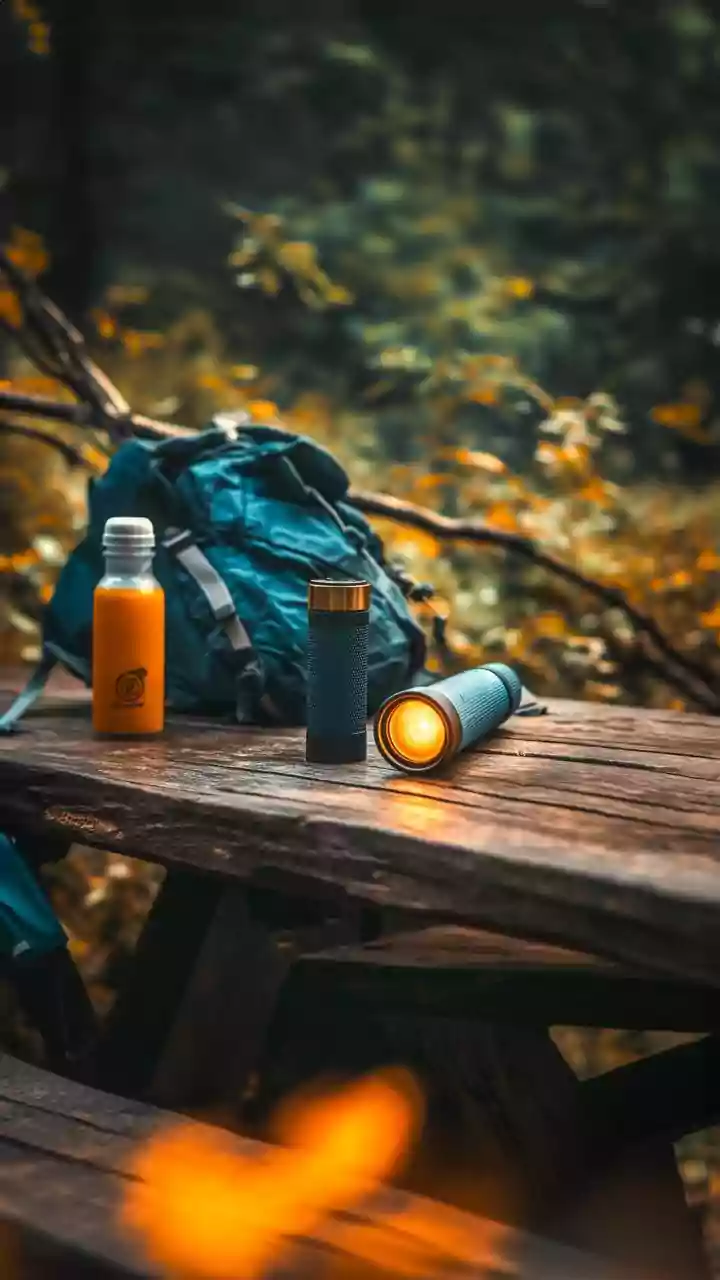
Safety should always be a priority. A basic first-aid kit is non-negotiable. It should contain antiseptic wipes, bandages for cuts and blisters, pain relievers, and any personal medications. Due to the damp conditions, including an antifungal powder is also a wise choice. A headlamp or torch is crucial, even on a day trek, as weather can cause unexpected delays and it gets dark quickly under a thick monsoon canopy. For navigation, have your route loaded onto offline maps on your fully charged phone, and carry a power bank as a backup. Cold and moisture can drain batteries faster than usual.
Protection from the Elements and Pests
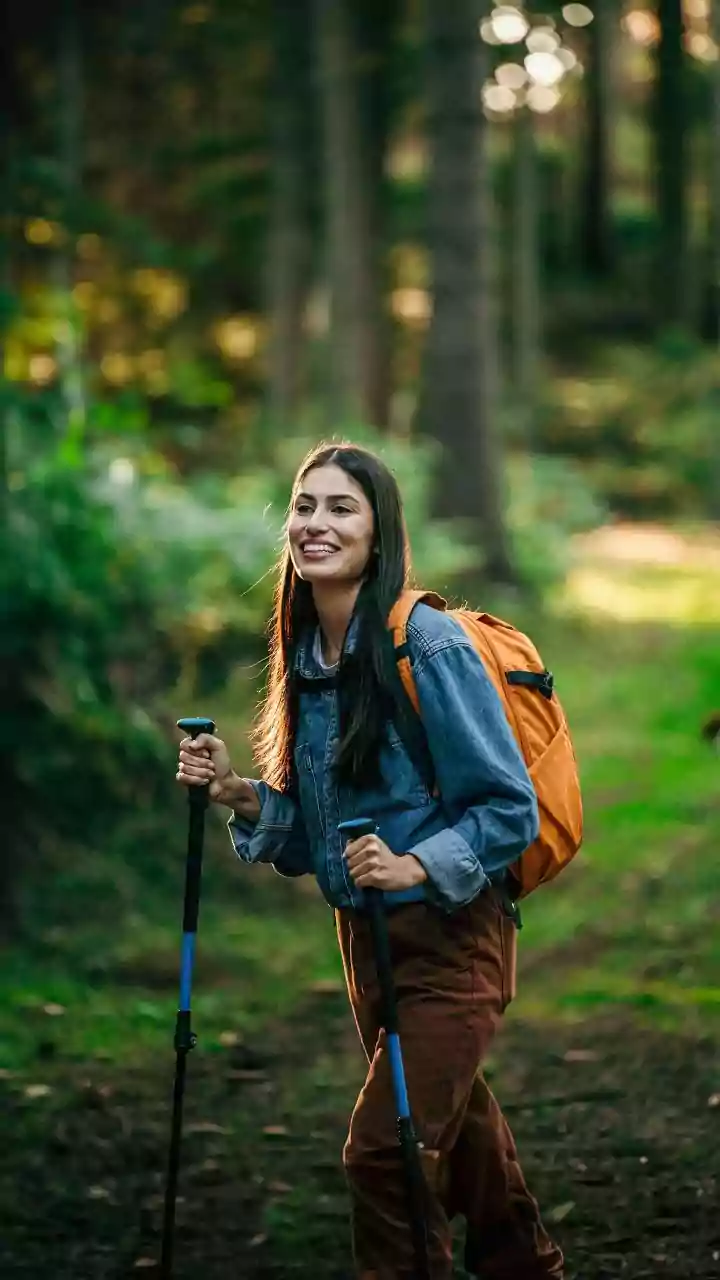
Monsoon forests are teeming with life, including insects and leeches. An insect repellent is essential. For leech-prone areas, carrying a small bottle of salt or hand sanitiser can help in their removal, though wearing leech socks is the best preventative measure. To protect your valuables, use waterproof dry bags or ziplock pouches for your phone, wallet, and any other electronics. Trekking poles are highly recommended; they provide extra stability on slippery descents and reduce the strain on your knees. Finally, pack high-energy snacks like nuts, energy bars, and dried fruits to keep you fuelled between meals.