






A Major Shift in Airport Philosophy
For decades, airports were purely functional spaces designed to get passengers from Point A to Point B as quickly as possible. For families with young children, this often meant a stressful experience of long waits in sterile environments with few distractions.
However, airport operators are now embracing a new philosophy, viewing terminals not just as transit hubs, but as holistic experience zones. The focus has shifted from mere efficiency to overall passenger comfort and satisfaction. This change is driven by a simple economic reality: relaxed passengers are more likely to spend money. And no group benefits more from this shift than families. As a result, facilities once considered a luxury, like children's play areas and private nursing rooms, are now being treated as essential infrastructure.
India's Airports Emerge as Global Leaders
This trend is not just happening abroad; Indian airports are at the forefront of this family-friendly transformation. In a remarkable validation of this effort, a July 2026 global ranking by UK-based AttractionTickets.com named two Indian airports among the top five most family-friendly in the world. Rajiv Gandhi International Airport in Hyderabad was ranked fourth, with Kempegowda International Airport in Bengaluru securing the fifth spot. The rankings evaluated over 140 airports on criteria like play areas, baby-changing facilities, family security lanes, and stroller services. This global recognition highlights a deliberate push by Indian airports to cater to the needs of their youngest passengers, setting a new standard for travel in the country.
What These Family-Friendly Facilities Look Like
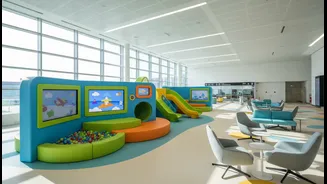
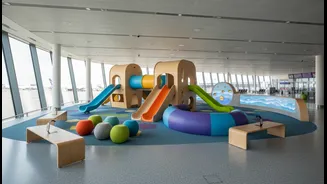
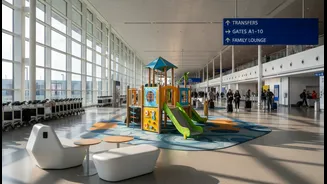
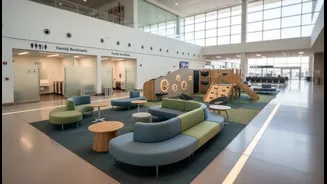
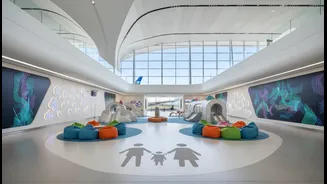
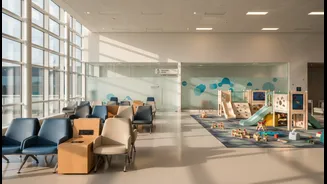
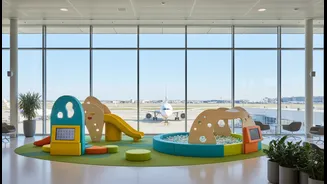
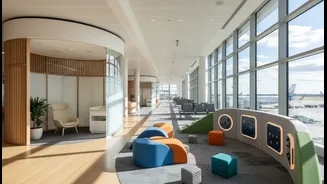
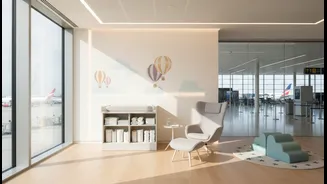
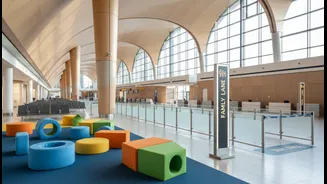
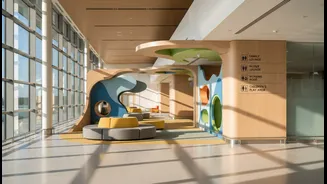
So what can travelling families in India now expect? Hyderabad Airport, for example, offers multiple dedicated kids' play areas with soft flooring and interactive games, well-equipped baby care rooms on every level, and complimentary strollers. Similarly, Delhi's Indira Gandhi International Airport launched its 'Family@DEL' program in early 2026, which includes dedicated entry gates for families, priority security lanes, and colourful play zones in all domestic terminals. Mumbai’s CSMIA provides private rooms for feeding and changing, along with play zones managed by preschool experts. Even regional airports like Patna have introduced dedicated play areas, showing how widespread the trend has become. These spaces are thoughtfully designed, offering clean, safe, and engaging environments that allow children to burn off energy and parents to relax before their flight.
More Than Just Fun and Games
The benefits of these facilities extend far beyond simply keeping children occupied. For parents, a dedicated play area or a quiet, private nursing room can transform a stressful layover into a manageable, even pleasant, one. It reduces anxiety for the entire family. For children, these spaces provide a much-needed outlet for physical activity and play, which is crucial for their well-being and helps mitigate the restlessness that comes with long waits. For airports, the investment pays off handsomely. By creating a welcoming environment, they encourage families to arrive earlier and stay longer, significantly boosting sales at food, beverage, and retail outlets. A family that is not stressed about a crying baby or a bored toddler is a family that is more likely to browse shops and enjoy a meal. It's a clear win-win scenario that improves the travel experience while also making sound business sense.