






The End of the 'Safe' Option
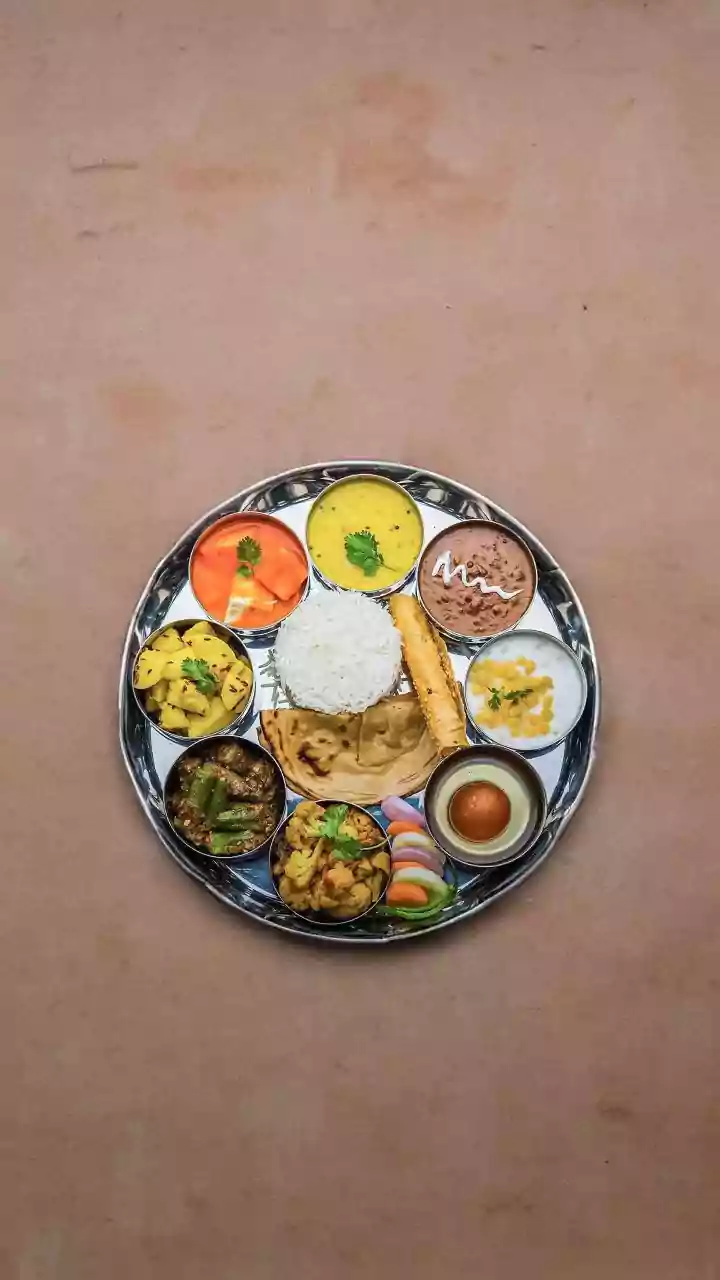
For decades, vegetarian food, especially in a global context, often felt like an afterthought. It was the ‘safe’ option on the menu, the predictable pasta or the standard-issue dal makhani. While delicious in their own right, these dishes rarely screamed
innovation. But a quiet revolution has been simmering in restaurant kitchens, and now it has boiled over. Today, vegetarianism is no longer a restriction but a creative launchpad. The humble vegetable is now the star of the show, draped in flavours and techniques borrowed from Mexico, Japan, Italy, and beyond.
Meet the New Culinary Language
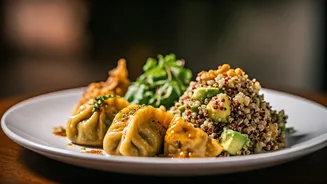
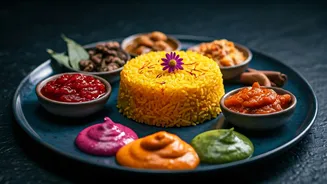
What does this global makeover look like on a plate? Imagine biting into a fluffy bao bun, but instead of pork, it’s stuffed with spicy pulled jackfruit cooked with smoky chipotle and a hint of garam masala. Picture a classic Italian risotto, but its creamy texture comes from barley and it’s studded with wild mushrooms and truffle oil, finished with a paneer crumble. This is the new language of vegetarian food—a playful and audacious dialect that speaks of a borderless world. We’re seeing dishes like avocado bhel, where the beloved Mumbai street food gets a creamy twist from Mexico’s favourite fruit, or pani puri filled not with spiced water but with tangy ceviche-style marinated vegetables.
The Chefs Leading the Charge
This movement is spearheaded by a new generation of chefs who are well-travelled, digitally connected, and creatively restless. They see no contradiction in using a French sous-vide technique on a turnip or filling a Japanese gyoza with a spiced paneer bhurji filling. For them, ingredients and techniques are part of a global pantry. They aren't diluting traditions; they are building on them. By looking at a familiar ingredient like cauliflower (gobi) and asking, 'What if we treated it like a steak, or battered it like Korean fried chicken?', they unlock a universe of possibilities. This approach respects the integrity of the vegetable while celebrating the endless creativity of global gastronomy.
Why Is This Happening Now?
Several factors have created the perfect storm for this vegetarian fusion boom. Firstly, the global wellness movement has put plant-based diets in the spotlight. More people are choosing to eat vegetarian or vegan for health, ethical, and environmental reasons, creating a massive, discerning market that demands more than just token options. Secondly, social media platforms like Instagram have turned food into a visual medium. A vibrant, colourful dish like a beetroot and goat cheese tikki is not just delicious; it’s shareable. This has pushed chefs to become more visually creative. Finally, our palates have become more adventurous. Thanks to travel and the internet, diners in Delhi are as familiar with kimchi as they are with achar, creating an appetite for novel flavour combinations.
From Fine Dining to Your Local Cafe
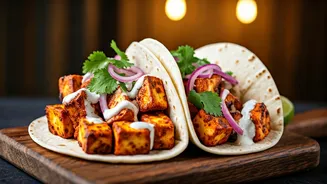
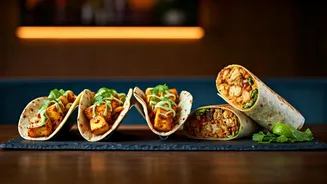
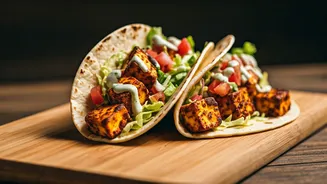
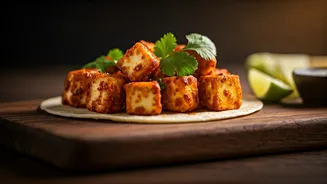
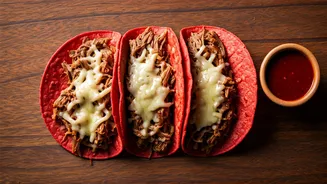
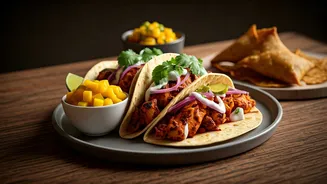
While this trend may have started in the hallowed halls of fine-dining restaurants, its influence is now trickling down to everyday eateries. Your neighbourhood cafe might now offer a 'paneer tikka quesadilla', and trendy bars serve 'tandoori mushroom tacos'. This democratisation of fusion is perhaps the most exciting part. It proves that this isn't a fleeting fad for the elite but a genuine evolution in how we think about, cook, and eat vegetarian food. It's a celebration of diversity on a plate, proving that when cultures meet in the kitchen, everyone wins.