







From 'Kachra' to 'Khad'
Not long ago, composting was a niche activity, reserved for avid gardeners or eco-warriors. Today, it’s going mainstream. From Bengaluru balconies to Mumbai high-rises and Delhi farmhouses, a growing number of Indians are embracing the simple act of turning
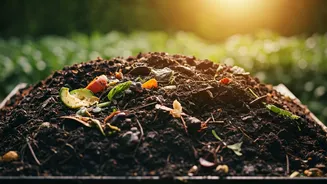
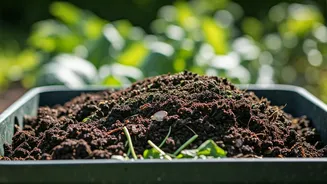
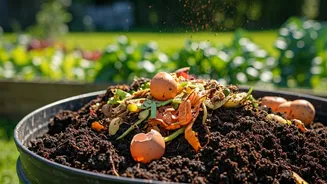
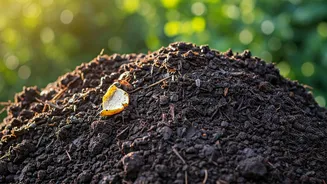
their organic waste—vegetable peels, fruit cores, tea leaves, and eggshells—into nutrient-rich compost. This isn't just about reducing trash; it's a fundamental shift in perspective. What was once seen as 'kachra' (garbage) is now viewed as 'khad' (manure) or 'black gold'—a valuable asset for enriching soil and nurturing plants.
Why Now? The Urban Waste Wake-Up Call
The trend is fuelled by a perfect storm of factors. India's cities generate over 62 million tonnes of waste annually, and our landfills are reaching a breaking point. Towering garbage mountains like Ghazipur in Delhi are stark, unavoidable symbols of a system under immense strain. Around 60% of this urban waste is organic and compostable. When it's dumped in landfills, it rots and releases methane, a potent greenhouse gas. Public awareness, amplified by initiatives like the Swachh Bharat Mission which mandates waste segregation, has made people more conscious of their own contribution to the problem. The pandemic also played a role, as more time at home led many to reconnect with activities like gardening and cooking, making them hyper-aware of the amount of kitchen waste they generated daily.
A Win for Your Home and the Planet
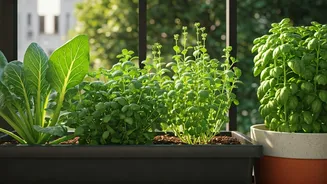
The appeal of composting lies in its powerful, tangible benefits. For the individual, it’s incredibly rewarding. You significantly reduce the amount of wet, smelly waste you throw out, leading to cleaner bins and fewer pests. The end product is a free, high-quality soil conditioner that can bring your houseplants, balcony garden, or kitchen herbs to life, free from chemical fertilisers. For the environment, the impact is even greater. Every kilogram of waste composted is a kilogram diverted from a landfill. This reduces methane emissions, lessens the strain on municipal waste collection systems, and helps create a more circular economy where resources are reused, not discarded.
Getting Started: It's Easier Than You Think
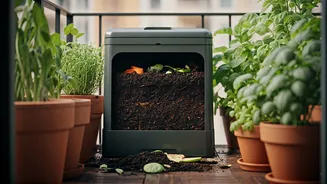
The thought of starting a compost pile might seem intimidating, but modern solutions have made it accessible for even the most compact urban homes. You don't need a sprawling garden. The most common methods include: 1. **Bin Composting:** Many startups now offer user-friendly, multi-tiered compost bins (like the popular 'Khamba' system) designed for apartments. You simply layer your kitchen scraps ('greens') with dry materials like dried leaves, sawdust, or coco peat ('browns') and a microbe-rich starter. Within 45-60 days, the bottom-most bin yields rich, dark compost. 2. **Vermicomposting:** This method uses earthworms to break down organic matter even faster. It's odourless and produces 'vermicompost,' one of the most nutrient-dense soil amendments available. 3. **Community Composting:** Many residential societies are setting up large-scale composting units for all residents. This is a fantastic way to make a collective impact without managing a bin in your own home. Check if your society has one or consider proposing the idea.
The New Community Champions
This movement is being driven by everyday people. It’s the retired couple in Pune who have inspired their entire building to segregate waste. It’s the young professional in Bengaluru who shares her composting journey on Instagram, demystifying the process for thousands. It’s also the wave of social enterprises and startups like Daily Dump, TrustBasket, and Organic Gyaan that provide the tools, knowledge, and support system to help beginners succeed. They have transformed composting from a daunting scientific process into a simple, accessible, and even stylish lifestyle choice.