





The Undisputed Original: Ladi Pav
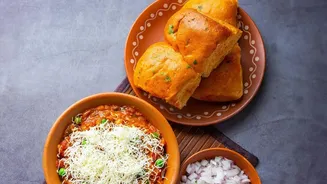
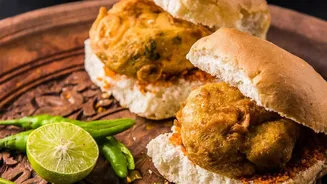
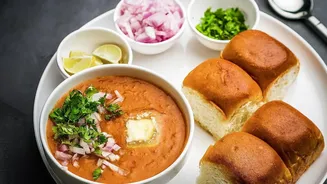
Before we explore the new, we must honour the classic. The traditional ladi pav is the soul of the Vada Pav experience. Its name comes from 'ladi' or 'chain', as the buns are baked together in a block, keeping the sides incredibly soft and pale. Tracing
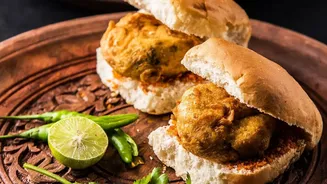
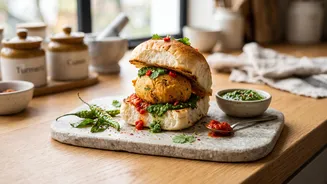
its origins to the Portuguese, who introduced 'pão' (bread) to India, this version is made from refined flour (maida), yeast, sugar, and salt. The result is a soft, pillowy, slightly sweet bread that is the perfect vehicle for the fiery vada. Its genius lies in its texture; it's sturdy enough to hold everything together yet absorbent enough to soak up the chutneys without becoming a soggy mess. This delicate balance is what makes the original Vada Pav an icon.
The Health-Conscious Choice: Whole Wheat Pav
As more people look for healthier alternatives to their favourite foods, the whole wheat pav has emerged as a popular contender. Made with 100% whole wheat flour, or 'atta', this version offers a denser, heartier bite compared to its maida counterpart. The flavour profile is also different, with a nuttier, more wholesome taste that adds a new dimension to the Vada Pav. While it may not have the same airy fluffiness as the classic ladi pav, its robust structure holds up well against the fillings. Many home bakers and health-focused bakeries are now offering this guilt-free option, proving that you can still enjoy a delicious Vada Pav while making a healthier choice.
The Modern Makeover: Multigrain Pav
Taking the health trend a step further is the multigrain pav. This version is packed with a variety of grains and seeds, such as flax, sesame, and oats, baked right into the dough. The result is a pav with a delightfully complex texture and a richer, earthier flavour. Each bite offers a satisfying crunch from the seeds, which contrasts beautifully with the soft vada. It's a gourmet twist on the street food classic, often found in upscale cafes and modern eateries catering to a clientele that wants more fibre and nutritional value in their meals. This adaptation shows how the Vada Pav is evolving from a simple, on-the-go snack to a more sophisticated and customisable meal.
The Deconstructed Twist: Baked Vada Pav
Some of the most creative variations focus not just on the bread's ingredients, but on its very form. The 'baked vada pav' or 'masala bun' is a prime example. Here, instead of placing a pre-fried vada inside a pav, the spicy potato mixture is stuffed directly inside the bread dough before baking. This creates a single, integrated bun with the filling sealed inside. It's a healthier, no-oil version that eliminates the deep-frying process entirely. While some might argue it's more of a potato-stuffed bun than a true Vada Pav, it preserves the iconic flavours in a convenient, less messy, and lighter format, making it a popular choice for parties and tiffins.
The Fusion Experiment: Bread Vada Pav
Another interesting innovation is the 'Ulta' or 'Bread Vada Pav'. This version flips the concept on its head. Instead of a pav, it uses two slices of regular sandwich bread. The potato stuffing is spread on the bread, which is then sandwiched, coated in a besan (gram flour) batter, and deep-fried whole. The result is something akin to a bread pakora but with all the fillings of a Vada Pav, including the dry garlic chutney, sealed within a crispy fried exterior. It's a creative fusion that borrows elements from different street food traditions to create a completely new, indulgent experience. It's a testament to the endless creativity of street food vendors and home cooks.