


The Unbeatable Crunch Factor
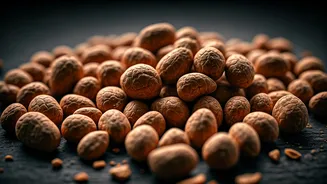
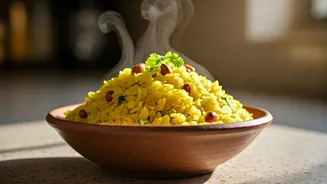
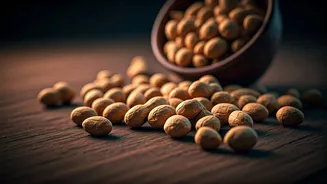
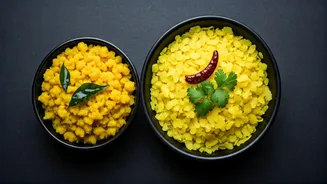
Let’s start with the most obvious, yet most magical, quality: the crunch. A soft, savoury dish can be pleasant, but a dish with textural contrast is exciting. Roasted peanuts are the easiest way to achieve this. Think of a bowl of fluffy poha; the softness
of the flattened rice and potatoes is perfectly punctuated by the sharp crackle of a peanut. The same goes for bhel puri, where peanuts hold their own against the crispiness of the puffed rice and the softness of the boiled potatoes. This textural gift isn’t just for snacks. Sprinkling crushed roasted peanuts over a simple dal fry or a vegetable stir-fry right before serving can transform a routine meal into something far more dynamic and satisfying. It’s an auditory and sensory experience that signals freshness and complexity.
A Deep, Nutty Flavour Bomb
The transformation from a raw, slightly earthy peanut to a roasted one is pure kitchen chemistry. The process of roasting triggers the Maillard reaction, a beautiful cascade of chemical changes between amino acids and sugars. This is the same reaction that gives toasted bread and seared meat their irresistible flavour. For peanuts, it deepens their taste profile, creating rich, nutty, and almost smoky notes. This is why Maharashtrian shengdana kut (roasted peanut powder) is a pantry staple, used to thicken gravies and add a profound, savoury depth to everything from sabzis to salads. Similarly, peanut chutneys in South Indian cuisine rely on that roasted flavour to balance the tang of tamarind and the heat of chillies. It’s not just a topping; it's a foundational flavour.
The Everyday Nutritional Powerhouse
Beyond taste and texture, roasted peanuts are a surprisingly efficient way to boost the nutritional value of a meal. They are a fantastic source of plant-based protein, which is essential for muscle repair and keeping you feeling full longer. This is why a handful of peanuts is such a classic and effective snack. They are also rich in healthy monounsaturated fats—the same kind found in olive oil—which are beneficial for heart health. Add to that a healthy dose of fibre, vitamins like niacin and vitamin E, and minerals like magnesium, and you have a tiny ingredient that punches well above its weight. Sprinkling them on your food is one of the simplest and most delicious ways to make any meal a little bit healthier.
The Street Food Star
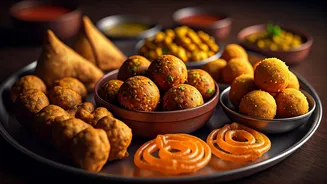
Where would Indian street food be without the roasted peanut? It’s the soul of so many beloved classics. Consider the cone of masala peanuts sold at every street corner and railway station—a spicy, tangy, crunchy delight that is the perfect companion for a journey or a chat with friends. In Gujarat, the famous dabeli would be incomplete without the generous coating of roasted peanuts that provides a crucial textural counterpoint to the soft pav and sweet-spicy potato filling. In every city, you’ll find variations of sundal or chaat where peanuts provide the reliable, satisfying base. They are affordable, accessible, and deliver a consistently delicious experience, making them the undisputed champion of street-side snacking.
Your Secret to Better Breakfasts
The humble peanut plays a starring role in some of India's most beloved breakfast and fasting dishes. In Maharashtra, no sabudana khichdi is complete without a generous amount of coarsely crushed roasted peanuts. They not only prevent the sago pearls from sticking together but also add a nutty flavour and much-needed protein to a dish that is otherwise primarily carbohydrates. The same principle applies to upma or poha, where peanuts add substance and a satisfying bite to start the day. They turn a simple grain-based breakfast into a more balanced and texturally interesting meal, proving that even in the morning, a little crunch and nutty goodness can make all the difference.