


The Crunch You’re Missing
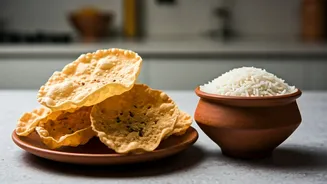
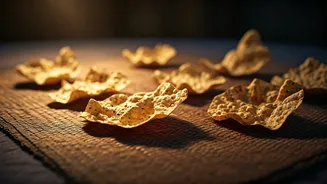
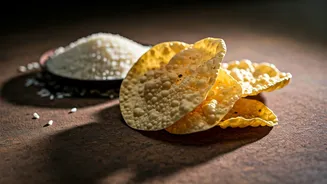
Sandige, known regionally as vadam, vathal, or simply rice papad, are sun-dried crisps that are a staple in many South Indian households. Unlike the more familiar lentil-based papadums, these are often made from a rice or sago base. When deep-fried, they
explode into light, airy, and incredibly crunchy crackers that can be eaten as a snack or as an accompaniment to a meal, especially with rasam or sambar rice. Their mild flavour, often enhanced with cumin, green chillies, or asafoetida, makes them a versatile and addictive part of the culinary landscape. They are, in essence, the ultimate expression of turning a simple grain into a celebrated delicacy.
Ancient Wisdom, Modern Trend
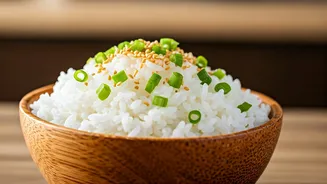
The concept of a ‘zero-waste kitchen’ might feel like a modern, eco-conscious trend, but it has been the default setting in traditional Indian homes for centuries. The philosophy of respecting food as a divine resource meant that nothing was ever wasted. Every scrap, peel, and leftover was seen as an opportunity. Turning leftover cooked rice into Sandige is perhaps the most brilliant example of this principle in action. It’s a practice born from ingenuity and frugality, designed to preserve a surplus food item during times of plenty for leaner days. Long before we had hashtags for sustainability, our grandmothers were quietly running the most efficient, waste-free kitchens imaginable.
The Art of Transformation
Making Sandige is less a rigid recipe and more a patient, seasonal art form that relies on the sun's power. The process begins with leftover cooked rice, which is mashed into a smooth, thick paste. This is the foundation. To this paste, flavour is added. Cumin seeds (jeera) for a nutty aroma, finely chopped green chillies for a bit of heat, asafoetida (hing) for its unique savoury note, and salt are the most common additions. Some recipes even call for a bit of sago (sabudana) or rice flour to achieve the perfect texture. This spiced rice dough is then painstakingly shaped. It can be piped into intricate patterns or simply dropped as small dollops onto a clean cloth or plastic sheet. And then, the magic ingredient: sunshine.
Harnessing the Sun
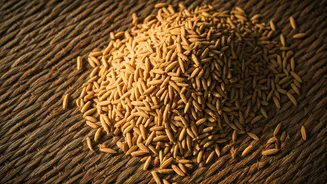
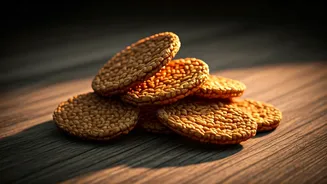
The key to perfect Sandige is the drying process. The small, wet dollops are left out under the harsh Indian sun for several days. This slow dehydration process is what makes them shelf-stable for months, even up to a year. Each day, they are watched over, turned, and brought indoors at dusk to protect them from moisture. As they dry, they shrink and become translucent, hard little discs, storing the potential for a crunchy snack within them. This reliance on the sun makes Sandige making a summer activity in most homes, when the days are long and the heat is intense. Once completely dry, they are stored in airtight containers, ready to be fried to puffy perfection whenever the craving hits.
A Win for Your Wallet and the Planet
Embracing this tradition is a powerful step in a modern zero-waste journey. Firstly, it directly tackles food waste, giving a new life to one of the most commonly discarded leftovers. Secondly, it reduces reliance on packaged snacks, which often come with excess plastic and preservatives. You control the ingredients, the salt, and the flavour. For those in apartments without sprawling terraces, the process can be adapted. A sunny balcony can work wonders, and some even have success using the lowest setting on their oven to dehydrate the papads over several hours. The reward is not just a delicious snack, but a tangible connection to a smarter, more sustainable way of living.