




The Shifting Plates of the Delivery Market
For years, Quick Service Restaurant (QSR) giants—the McDonald's, Domino's, and KFCs of the world—were the undisputed kings of food delivery. Their vast physical footprint and massive marketing budgets made them the default choice for a quick meal. However,
the ground is subtly shifting. While these legacy brands still command a huge presence, their rate of growth in the delivery space is being challenged. The overall organised food market is booming, expected to scale to ₹7.8 trillion by 2030, but the players capturing this growth are changing. The competition is no longer just other big chains; it's a swarm of smaller, digital-native brands, many of which you’ve never seen on a physical street corner.
The Rise of Ghost Kitchens and Virtual Brands
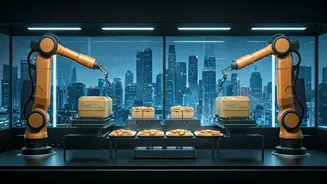
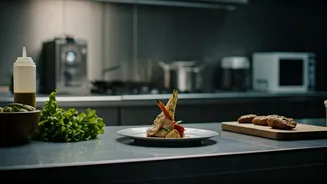
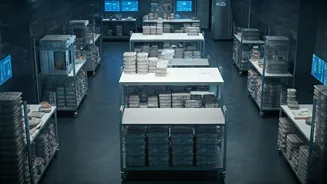
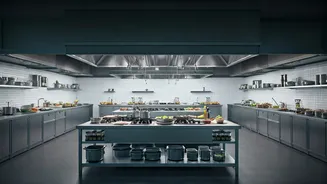
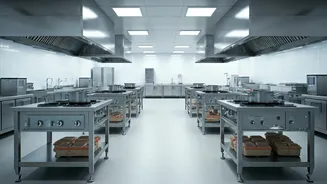
The primary challengers are ghost kitchens, also known as cloud kitchens. These are delivery-only establishments with no storefront or seating, built exclusively to serve orders from platforms like Zomato and Swiggy. Their lower setup and operational costs—costing ₹10–15 lakhs to set up compared to ₹30–50 lakhs for a traditional restaurant—allow them to be incredibly agile. Many operators run multiple 'virtual brands' from a single kitchen, offering everything from biryani to pizza to healthy salads. This model allows them to experiment with menus, adapt to consumer trends with remarkable speed, and tap into niche demands that larger, standardised chains often overlook. The Indian cloud kitchen market is projected to grow at over 12% annually, reaching nearly USD 3.7 billion by 2034, signalling a fundamental change in the industry's structure.
An Aggregator's Game of Speed and Clicks
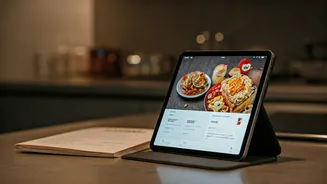
Food aggregator platforms are the battleground where this war is being waged. Their algorithms, which prioritise factors like delivery speed, customer ratings, and kitchen prep time, can level the playing field. A nimble ghost kitchen located close to a residential hub can often promise a sub-25-minute delivery, giving it higher visibility on the app than a legacy chain further away. Furthermore, these platforms have become discovery engines. With over 79% of orders coming via mobile apps, visibility is everything. While legacy brands can pay for sponsored listings, aggregators also reward operational efficiency, giving agile, delivery-focused kitchens a chance to outrank established names through sheer performance.
A Hunger for Novelty and Niche Tastes
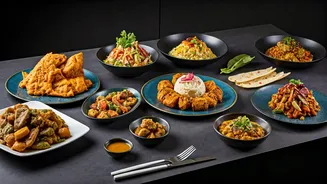
Indian consumers, particularly Millennials and Gen Z, are increasingly adventurous. There's a growing demand for diverse, regional, and international cuisines that goes beyond standard burgers and pizzas. Cloud kitchens are perfectly positioned to meet this demand, launching specialised menus for everything from authentic Kerala cuisine to ketogenic meals and sushi burritos. They can A/B test new dishes and pivot their offerings almost instantly based on data from delivery platforms. This contrasts sharply with legacy chains, whose menu innovation is a slower, more calculated process. Consumers are also driven by factors like health and sustainability, with many willing to order from platforms that demonstrate environmental responsibility—another area where new-age brands are often more vocal and adaptable.
How the Titans Are Fighting Back
Legacy chains aren't standing still. They are adapting by focusing on value, launching their own virtual brands, and investing heavily in technology. Recognising the threat, many are introducing more affordable products and consumer promotions to compete with the price-sensitive offerings of local players. Some, like Domino's, are even piloting 15-minute delivery guarantees to reclaim their advantage in speed. They are also leveraging their scale for backend integration, using data analytics for smarter supply chains and AI-driven prompts to increase order values. The fight is shifting from just physical expansion to a battle for operational efficiency and digital customer loyalty.