
The End of an Era, The Dawn of a New One
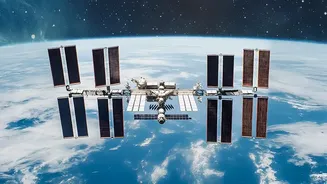
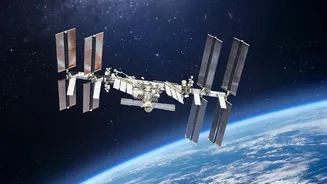
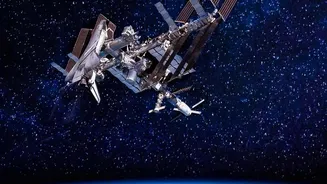
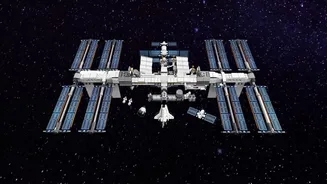
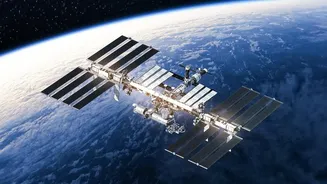
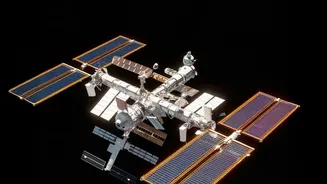
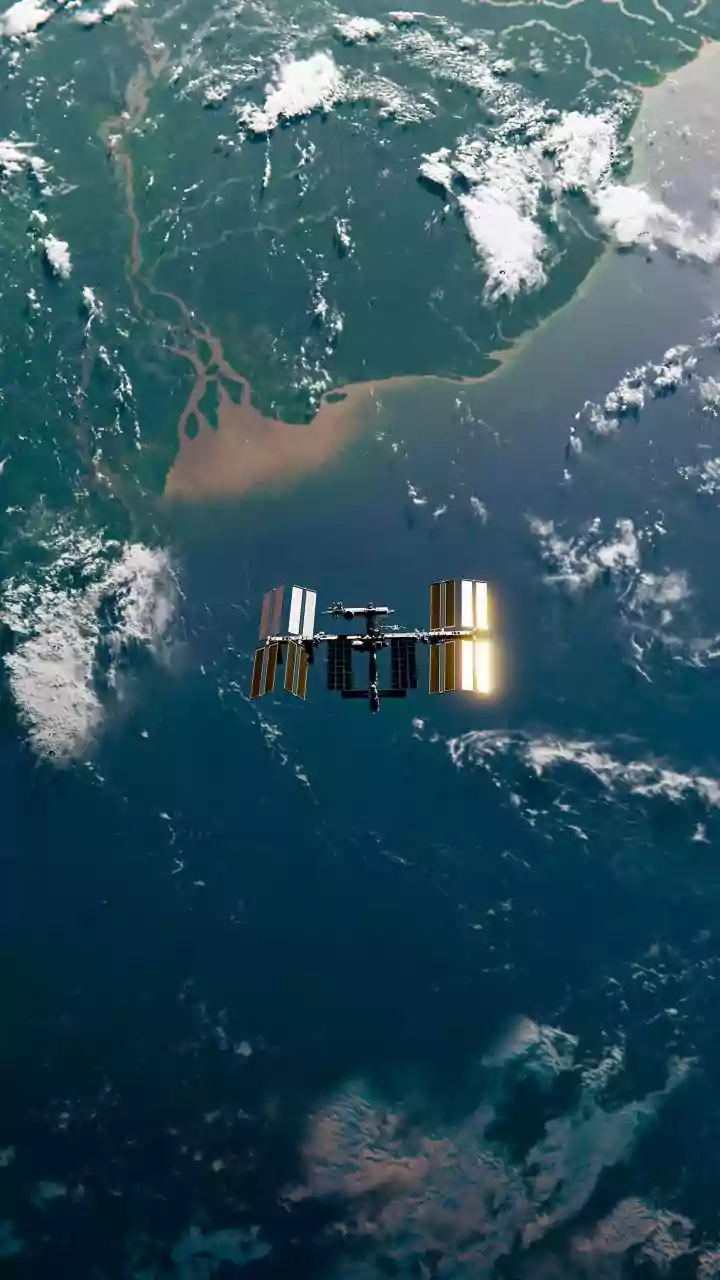
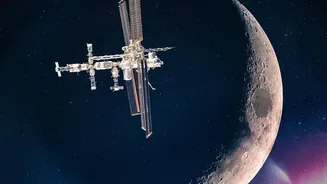
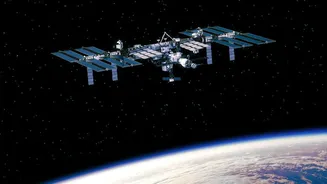
For over two decades, the International Space Station has been humanity's only permanent address in low-Earth orbit. A marvel of global cooperation, it has hosted thousands of scientific experiments and pushed the boundaries of human endurance. But all
good things must come to an end, and NASA plans to deorbit the aging station around 2030. This created a pressing question: what comes next? Without a successor, a critical gap would emerge in microgravity research and the United States would lose its continuous human presence in orbit. To prevent this, NASA has turned to the private sector, shifting its role from being an owner and operator to becoming a customer. Through its Commercial Low Earth Orbit Destinations (CLD) program, NASA is seeding the development of multiple private stations, ensuring a seamless transition and fostering a new orbital economy.
The Key Players in the New Space Race
Several well-funded ventures are now competing to build and operate these orbital outposts. The frontrunners include Axiom Space, a joint venture between Voyager Space and Airbus for the 'Starlab' station, and a partnership between Blue Origin and Sierra Space for 'Orbital Reef'. Each has a unique vision for its orbital platform, from dedicated science labs to mixed-use business parks in space. These companies received initial funding from NASA to mature their designs, but are also backed by significant private investment. The goal is to create a robust marketplace where NASA is just one of many customers, sharing orbital facilities with other nations, private companies, researchers, and eventually, even tourists.
Axiom Space: Building on the ISS
Axiom Space has perhaps the most unique strategy. Instead of immediately launching a free-flying station, the Houston-based company plans to first attach its commercial modules to the International Space Station. The first module, known as Hab-1, is scheduled to launch as soon as 2026. This approach allows Axiom to begin operations and generate revenue while still connected to the ISS's existing power and life support systems. The company has already conducted several private astronaut missions to the ISS, building valuable operational experience. Once Axiom has launched its full complement of modules—including a habitat, a research facility, and a power module—the entire segment will detach from the aging ISS and become a fully independent, free-flying commercial space station.
Starlab and Orbital Reef: Visions of a 'Business Park' in Space
Other competitors are focused on launching directly into independent orbits. The Starlab project, a joint venture between Voyager Space and aerospace giant Airbus, is designing a station with a large habitat and laboratory module. It is being designed to launch on a single flight aboard SpaceX's massive Starship rocket. Meanwhile, Blue Origin and Sierra Space are collaborating on Orbital Reef, which they envision as a 'mixed-use business park' in space. A key feature of their plan is Sierra Space's Large Integrated Flexible Environment (LIFE) module, an inflatable habitat that can provide a large pressurized volume for work and living. This model is built for multiple tenants, offering services for research, manufacturing, and tourism.
More Than Just a Lab: What Will We Do Up There?
These next-generation stations are being designed for more than just government-funded science. While they will offer state-of-the-art facilities for microgravity research in fields like biotechnology and materials science, their business models depend on a much broader customer base. This includes in-space manufacturing of high-value products like exotic optical fibers or 3D-printed human organs, which are difficult or impossible to make on Earth. Other potential markets include media and entertainment production, marketing, and private human spaceflight for wealthy individuals and sovereign nations without their own space programs. These commercial habitats are the necessary infrastructure for a true LEO economy to flourish, moving humanity from an era of pure exploration to one of sustainable off-world development.