





The Psychology of a Shared Gasp
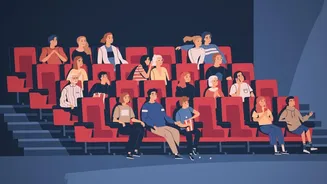
There's an undeniable energy in a packed theatre. It’s the collective laugh that ripples through the audience during a comedy, the shared gasp during a shocking twist, or the unified scream in a horror film. These reactions aren't just noise; they are a form
of non-verbal communication, a quiet agreement among strangers to be in the moment together. This synchronized emotional journey amplifies our own feelings. Studies suggest that watching a film with others can heighten empathy and emotional engagement with the characters on screen. OTT platforms, for all their algorithmic precision, deliver a privatized experience. You might laugh at a joke, but the sound doesn't join a chorus; it echoes in your living room, a solitary event. The communal aspect of cinema transforms passive viewing into an active, collective experience.
An Event, Not Just Content
Going to the movies has always been more than just watching a film; it's an event. It involves planning, traveling, and participating in rituals—from buying popcorn to the pre-film discussions with friends. This process turns the movie into a destination, a deliberate social outing. In contrast, streaming integrates seamlessly into our daily lives, often becoming background noise while we do chores or scroll through our phones. The convenience is undeniable, but it strips the film of its 'event' status. A theatrical release forces us to dedicate focused, uninterrupted time, making the experience more memorable and significant. It’s the difference between a carefully planned dinner at a restaurant and grabbing a quick bite from the fridge.
The Monastery of Focus
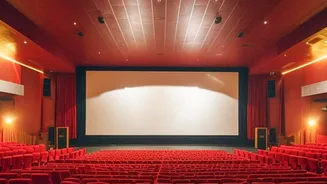
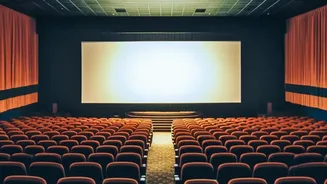
A cinema is a purpose-built environment designed for one thing: immersion. The giant screen, the enveloping surround sound, and the deliberate darkness all conspire to pull you into the story, free from the endless distractions of home. There are no phones buzzing with notifications, no option to pause for a snack, and no temptation to open another tab. This forced focus is not a limitation but a feature. It allows for a deeper, more meditative engagement with the film, letting subtle details in cinematography and sound design shine. Directors craft their films for this specific environment, and watching a grand spectacle on a laptop is like viewing a masterpiece painting as a thumbnail. While home theatre technology has improved, it rarely replicates the controlled, distraction-free sanctuary of a movie hall.
Forging a Cultural Moment
Theatrical releases create a concentrated burst of cultural conversation. When a major film opens, everyone is talking about it at the same time. This simultaneous viewing fuels social media trends, office cooler debates, and a sense of being part of a widespread cultural event. It creates a sense of urgency and shared discovery. OTT releases, on the other hand, lead to a fragmented viewing culture. With viewers watching at their own pace over weeks or months, the collective buzz is often diluted. The experience becomes staggered and individualistic, making it harder for a film to dominate the cultural landscape in the same way. Theatrical releases don't just provide content; they create cultural touchstones and shared memories for a generation.