
In the endless search for calm, two popular paths emerge: yoga and social dance. One promises inner peace through stillness, the other joy through movement. But how do they stack up when it comes to pure relaxation? Let's explore their unique routes to unwinding.
The Inner Journey of Yoga
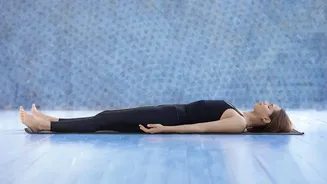
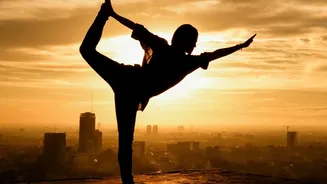
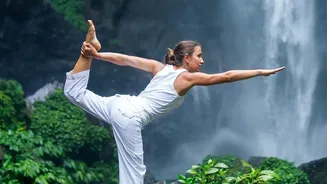
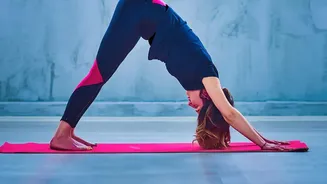
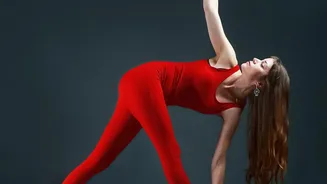
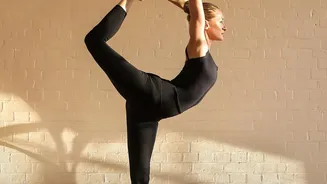
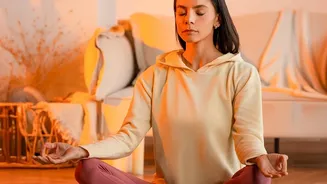
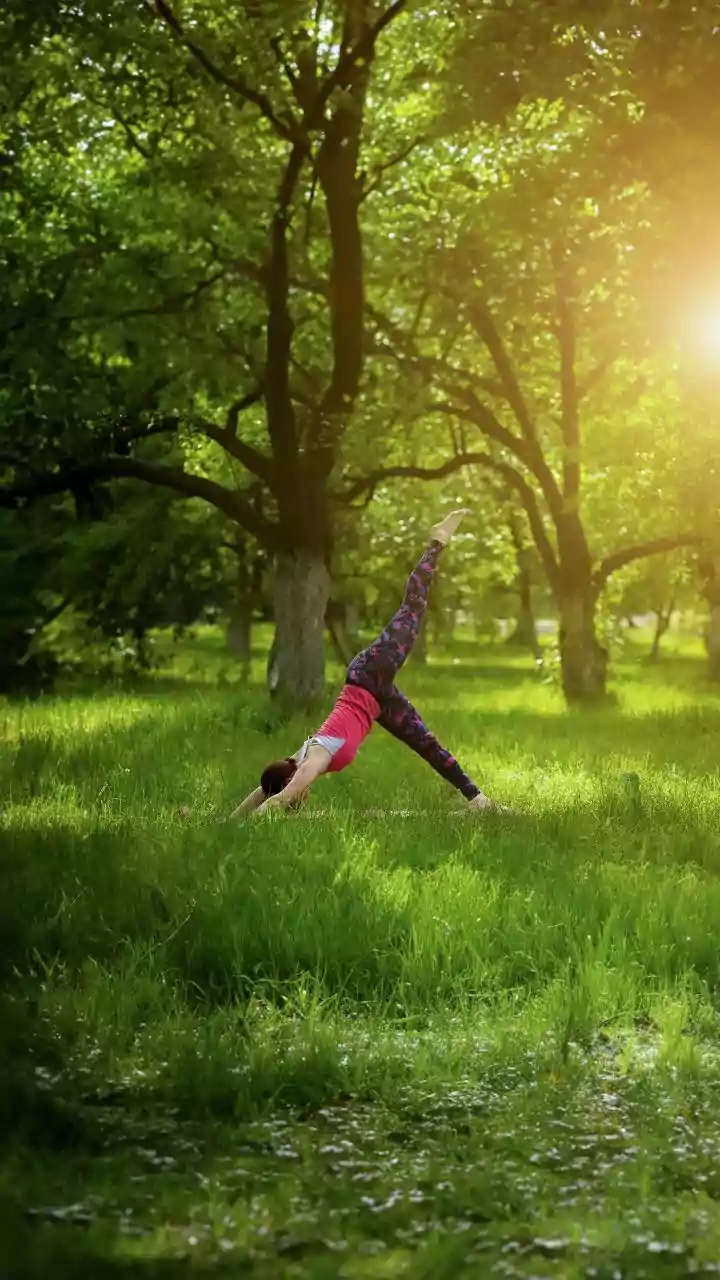
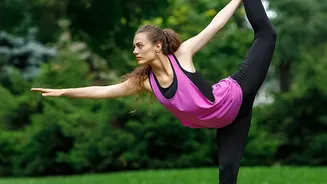
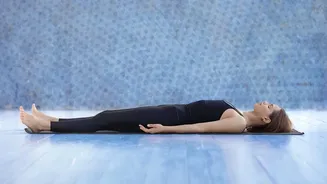
Yoga's approach to relaxation is fundamentally an inward-facing one. The practice combines physical postures (asanas), controlled breathing techniques (pranayama), and meditation to quiet the mind. This trifecta works to activate the parasympathetic nervous system, also known as the 'rest-and-digest' state. By focusing on the breath and holding poses, practitioners learn to observe their thoughts without judgment, which helps to lower levels of cortisol, the body's primary stress hormone. The result is a profound sense of calm that comes not from distraction, but from mindful connection with the body and the present moment.
The Expressive Joy of Social Dance
Social dance offers a more extroverted path to relaxation. The combination of music, rhythmic movement, and physical connection with a partner or group triggers a powerful neurochemical cocktail. Moving your body, especially in sync with others, releases endorphins, which are natural mood elevators. This physical exertion acts as a potent stress reliever, helping to release built-up muscular tension. Moreover, the social component is key; interacting with others creates a sense of community and belonging, which is crucial for mental well-being and can significantly reduce feelings of anxiety.
Mindful Stillness vs. Rhythmic Flow
The mental states induced by yoga and dance are quite different. Yoga cultivates deep body awareness and a state of mindful presence, training the mind to remain calm and focused. This can lead to improved emotional regulation and resilience long after the session is over. Dance, on the other hand, often creates a 'flow state', an experience of being fully immersed and energised by the activity. The need to focus on steps, rhythm, and your partner pulls your attention firmly into the present, acting as a form of kinetic meditation that leaves little room for anxious thoughts. While yoga quiets the mind, dance gives it something joyful to focus on.
The Physical Release of Tension
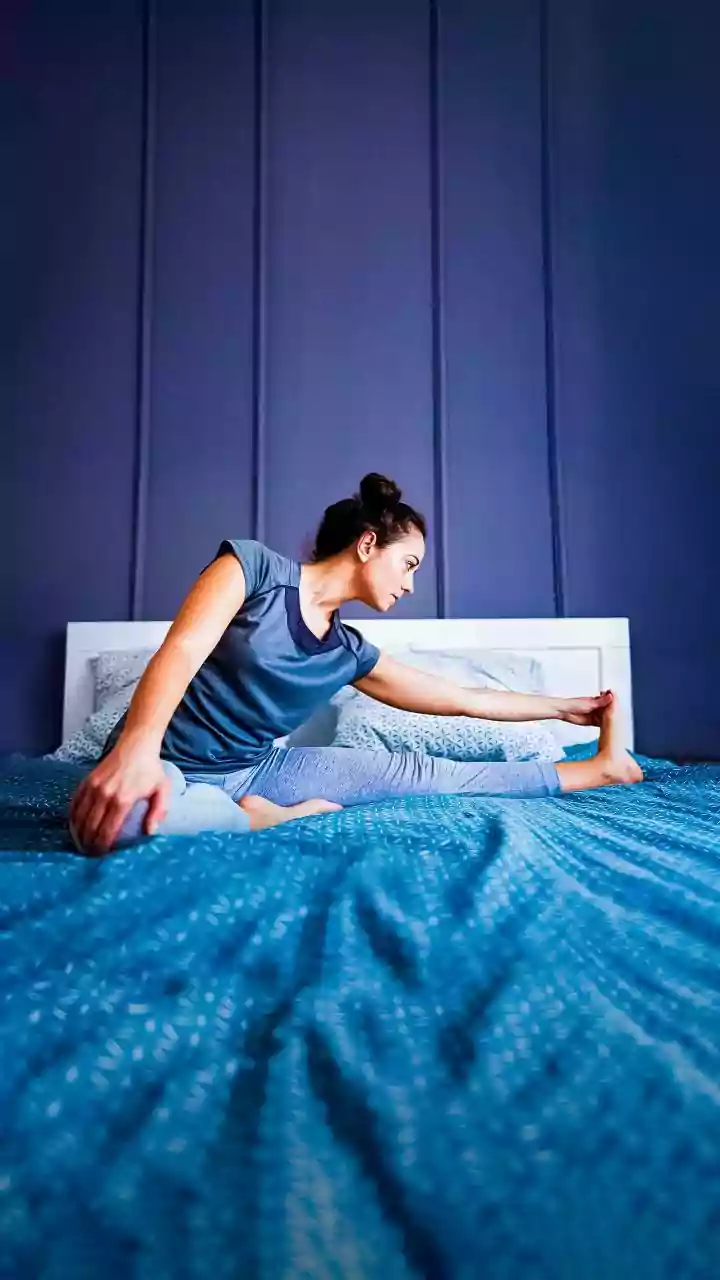
Both activities release physical stress, but in different ways. Yoga often uses slow, deliberate stretches and sustained postures to gently release deep-seated tension in muscles and connective tissues. This can improve flexibility and reduce the physical symptoms of stress, like tight shoulders or headaches. Social dance is typically a more vigorous, cardiovascular workout. It raises your heart rate, improves circulation, and provides an outlet for releasing pent-up energy. The physical expression can be cathartic, allowing you to literally 'shake off' the stress of the day.
Introspection or Interaction?
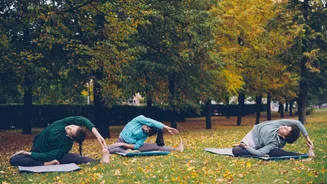
Perhaps the most significant difference lies in the social context. Yoga is primarily an individual journey, even when practiced in a group class. The focus is internal, on your own breath, alignment, and mental state. This solitude can be deeply restorative for those who need to disconnect and recharge. Social dance, by its very nature, is about connection. It involves non-verbal communication, co-regulation of movement with a partner, and shared experience. This interaction can trigger the release of oxytocin, the 'bonding hormone', fostering feelings of trust and safety that directly counter anxiety.