






Rethinking the Perfect Plate
The idea of a balanced diet is often misunderstood as a rigid rule for every single meal. This all-or-nothing approach can lead to frustration. A more realistic and effective strategy is to view balance across a longer timeframe, like a day or even a week.
A healthy diet is about the overall pattern of your eating habits. The goal is to ensure your body receives a diverse range of nutrients consistently, not to achieve a perfect ratio of carbs, proteins, and fats on every plate. A nourishing lunch can compensate for a simpler breakfast, and a wholesome dinner can round out the day. This perspective frees you from food-related guilt and encourages a more positive, flexible relationship with what you eat.
Meet Your Nutritional Team
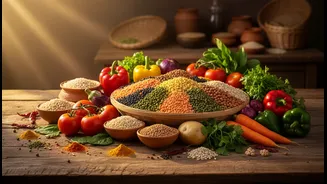
Think of your diet as a team of players, each with a crucial role. The main players are the macronutrients: carbohydrates, proteins, and fats. Carbohydrates, especially complex ones from whole grains like whole wheat, millets, and brown rice, are your body's primary source of energy. Proteins, found in dals, legumes, paneer, eggs, and lean meats, are the builders, essential for repairing tissues and supporting immunity. Healthy fats, from sources like nuts, seeds, and oils, are vital for brain function and hormone production. Then you have the micronutrients—vitamins and minerals—found abundantly in fruits and vegetables. These are the specialists who oversee countless bodily functions, from energy production to bone health. A truly balanced diet ensures all these players get their time on the field.
The Power of Food Synergy
This is where the magic happens. Food synergy is the concept that certain nutrients, when eaten together, are more effective than when consumed alone. Their combined effect is greater than the sum of their parts. For example, Vitamin C dramatically boosts the absorption of plant-based (non-heme) iron. Squeezing lemon juice over a spinach or dal dish helps your body access much more of its iron. Similarly, many vitamins, like Vitamin A found in carrots and sweet potatoes, are fat-soluble. This means your body absorbs them better when you eat them with a source of healthy fat, like avocado, nuts, or a dash of olive oil. Another classic example is the combination of turmeric and black pepper; the piperine in pepper significantly enhances the absorption of curcumin, the anti-inflammatory compound in turmeric. These natural partnerships show how different foods are designed to support one another.
Balance in an Indian Thali
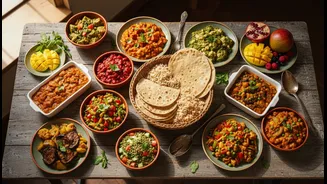
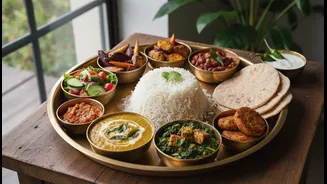
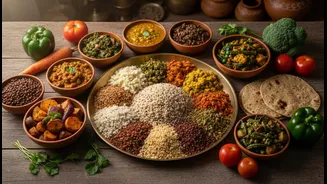
The traditional Indian thali is a perfect embodiment of this principle. It isn’t just a random assortment of delicious dishes; it's a masterclass in food synergy and balance. A typical thali combines a source of carbohydrates (roti or rice), protein (dal, sambar, or a legume-based curry), a variety of vegetables (sabzi), and often a dairy component like curd (dahi) or buttermilk. This structure naturally ensures you get a mix of macros and micros. The classic combination of dal and rice, for instance, provides a complete protein profile. The inclusion of curd offers probiotics for gut health. Adding a simple kachumber salad of tomato, onion, and cucumber with a squeeze of lime not only adds fibre and freshness but also provides that crucial Vitamin C to help absorb iron from the lentils and greens.
A Simple Blueprint for the Week
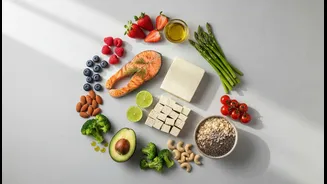
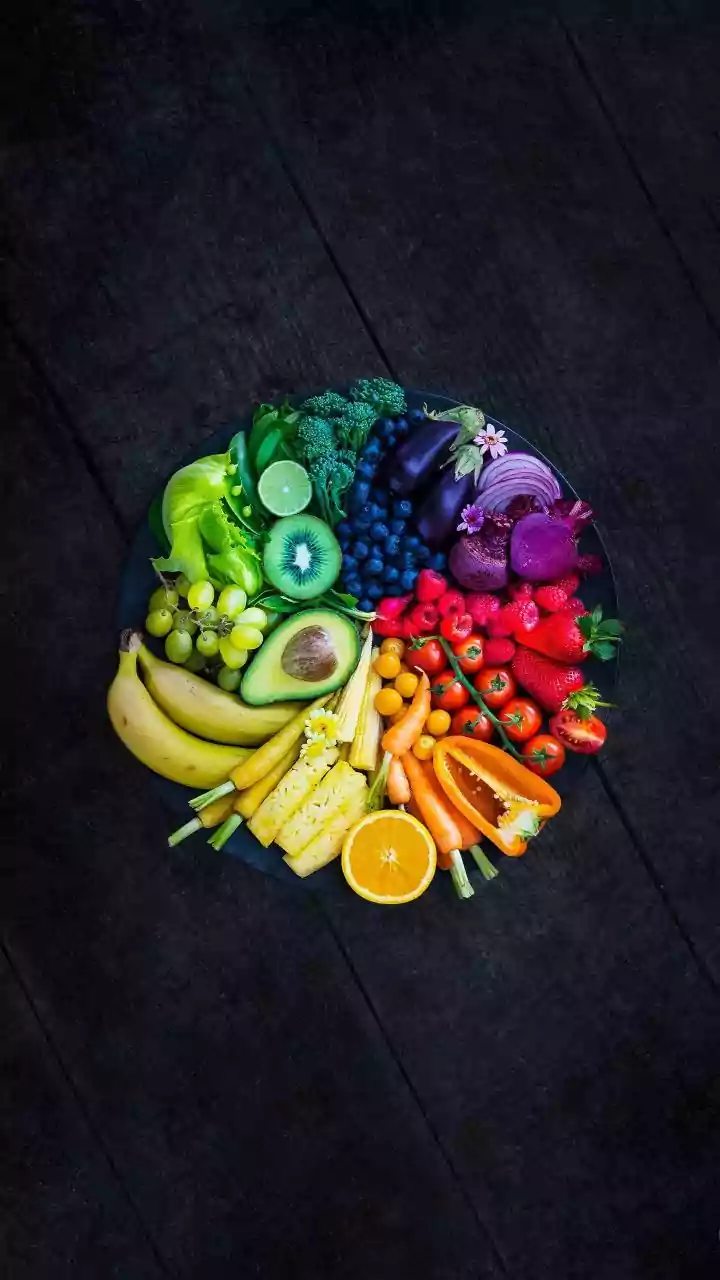
Applying this concept doesn't require complicated charts. Start with the 'plate method' as a general guide for main meals: aim to fill half your plate with vegetables, a quarter with a protein source, and a quarter with whole-grain carbohydrates. Over the week, focus on variety. Did you have enough leafy greens? Have you included different coloured vegetables and fruits? Try to eat a variety of pulses and legumes, not just the same one. According to guidelines from India's National Institute of Nutrition (NIN), a varied diet is key to preventing both undernutrition and lifestyle diseases. Batch cooking some dal, boiling a few types of beans, and chopping vegetables in advance can make assembling balanced meals during a busy week much simpler. The key is consistency and variety over perfection.