

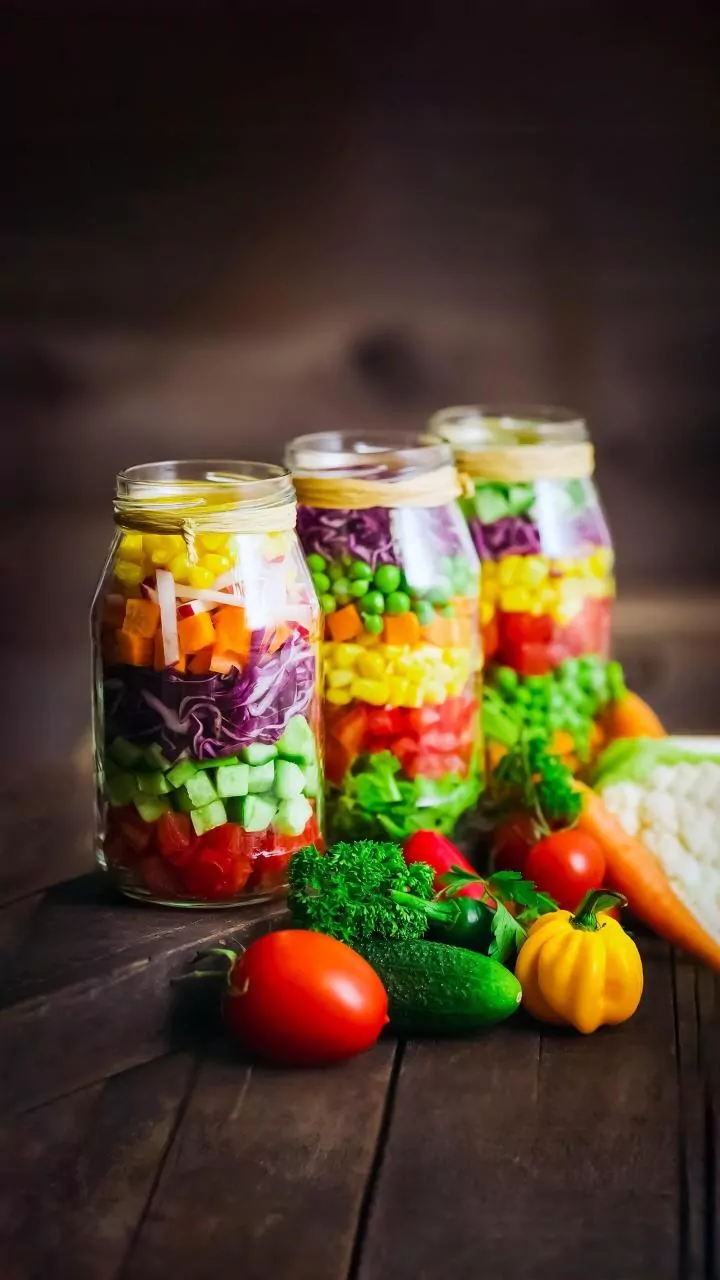







Foods to Welcome This Monsoon
To keep your energy levels up and your immune system strong, focus on warm, light, and freshly prepared meals. The high humidity can slow down your digestive fire, or 'agni' as Ayurveda calls it, so easily digestible foods are your best friends during
this season. Incorporating specific foods can help your body defend against common monsoon ailments like colds, coughs, and stomach infections.
Warm Soups and Herbal Teas
There's nothing more comforting than a warm bowl of soup on a rainy day, and it's also one of the healthiest choices you can make. Vegetable soups seasoned with immunity-boosting spices like ginger, garlic, and black pepper help keep the body warm and aid digestion. Similarly, herbal teas made with ingredients like ginger, tulsi (holy basil), and cinnamon can soothe a sore throat, support hydration, and strengthen your immune response.
Seasonal Fruits
Nature provides the perfect produce for every season. During the monsoon, opt for fruits like jamun, pears, pomegranates, apples, and papaya. These fruits are rich in essential nutrients, including Vitamin C and other antioxidants that are crucial for fighting off infections. It's always best to consume whole fruits rather than juices and to wash them thoroughly before eating.
Probiotics and Light Grains
Gut health is directly linked to immunity. Probiotic-rich foods like curd (yoghurt) and buttermilk support healthy gut bacteria, which is vital when the digestive system is sluggish. However, it's often advised to consume them during the day and avoid them at night. Pair them with light, easy-to-digest grains like old barley, rice, and moong dal, often prepared as khichdi, to provide sustained energy without burdening your stomach.
Cooked Vegetables
While vegetables are always important, how you prepare them matters more during the monsoon. Opt for well-cooked or steamed vegetables like lauki (bottle gourd), karela (bitter gourd), and tori (ridge gourd). These vegetables are light on the stomach and less likely to carry contaminants compared to raw greens. Adding spices like turmeric, cumin, and coriander not only adds flavour but also provides antimicrobial benefits.
Items to Avoid or Limit
Just as important as knowing what to eat is knowing what to avoid. The damp, humid weather is a perfect breeding ground for bacteria and viruses, making certain foods riskier than usual. Steering clear of these items can significantly reduce your chances of falling ill.
Street Food and Pre-Cut Items
The temptation for roadside pakoras or pani puri is strongest during the rains, but this is the riskiest time to indulge. Street food is often prepared in unhygienic conditions with water that may be contaminated, leading to a high risk of stomach infections. Similarly, avoid pre-cut fruits and salads sold by vendors, as they are exposed to the humid air and can harbour harmful bacteria.
Leafy Green Vegetables
This might sound counterintuitive, but it's best to be cautious with leafy greens like spinach and cabbage during the monsoon. The grime and moisture on them make them a hotbed for germs. If you must eat them, ensure they are washed meticulously, preferably in lukewarm water with a bit of salt, and cooked thoroughly before consumption. Raw salads are best avoided altogether.
Seafood and Heavy Meats
The monsoon season is the breeding time for fish and other seafood. This means the catch may not be fresh, increasing the risk of food poisoning. It's wise to limit or avoid seafood during these months. Heavy meats are also harder to digest when your metabolism is naturally slower, so opting for lighter proteins like chicken in stews and soups is a better choice.
Excessively Fried and Oily Foods
While a few homemade fried treats are fine, overindulging in oily and heavy foods can lead to indigestion, bloating, and lethargy. The digestive system is already under strain, and these foods only add to the burden. Try healthier cooking methods like baking or steaming to satisfy your cravings without compromising your health.