



The Problem with 'Go-Go-Go' Tourism
Many of us treat travel like a to-do list. We land, check into our hotel, and immediately start racing through a jam-packed itinerary of sights, tours, and photo opportunities. This 'fast travel' approach, defined by seeing as much as possible in a short
time, often leads to burnout. While it might feel productive to tick off landmarks, this constant rush keeps our nervous systems in a state of high alert. The pressure to maximise every moment can be emotionally and physically exhausting, leaving us with a collection of selfies but little genuine connection to the place we visited. We end up feeling overstimulated and return home needing a vacation from our vacation.
Finding Your Groove, Miles from Home
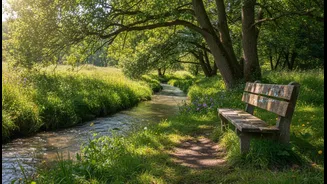
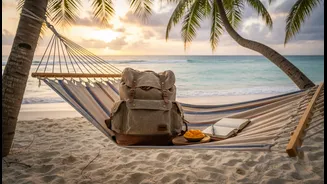
Slow travel offers a powerful alternative. By choosing to stay in one place for longer—a week, a month, or even more—you give yourself the gift of time. This extended duration allows you to move beyond the frantic energy of a tourist and settle into a more natural pace. Instead of being dictated by a rigid schedule, your days can unfold organically, guided by curiosity and mood. This shift is crucial for well-being. Studies and travel experts suggest that maintaining a routine, even a loose one, significantly reduces stress, improves sleep, and boosts overall mental health. After the initial excitement of arrival wears off, you can establish a comfortable rhythm: finding a favourite local café, discovering a quiet park for a morning walk, or setting aside time to simply relax without feeling guilty.
More Than a Tourist: Living Like a Local
One of the most profound benefits of a longer stay is the opportunity for deep cultural immersion. When you're not rushing, you have the chance to move beyond superficial sightseeing and experience a place from the inside. This could mean shopping at the local market, learning a few phrases in the local language, or striking up conversations with residents. These interactions foster genuine human connection and provide insights that you’d never get on a whirlwind tour. You start to understand the daily patterns, the social customs, and the unique personality of the place. This kind of immersive travel leads to more meaningful and unforgettable experiences, creating lasting memories that go far beyond a simple photograph.
The Unexpected Perks of a Slower Pace
Beyond the mental health benefits, slow travel has practical advantages. Staying in one location for an extended period can often be more budget-friendly, as you can secure weekly or monthly rates on accommodation and reduce transportation costs. It also fosters spontaneity. With a less-packed schedule, you're free to say yes to an unexpected invitation or spend an entire afternoon exploring a neighbourhood that catches your eye. This approach is also more sustainable, as it reduces your carbon footprint from frequent flights and encourages supporting local businesses over large tourism corporations. By slowing down, you not only enrich your own experience but also contribute more positively to the community you're visiting.