
The Big Picture: From Calories to Quality
For decades, the global conversation around food security has focused on fighting hunger by ensuring enough calories are available. The 2026 UN report signals a pivotal change in this approach. It argues that the world is facing a 'double burden' of malnutrition:
the simultaneous existence of undernutrition and obesity, often within the same communities and even households. The report links this to a global reliance on highly processed, energy-dense staple foods that provide calories but are deficient in essential micronutrients. The key takeaway is a call to shift focus from mere quantity (calories) to quality (nutrient density). It’s a recognition that being well-fed is not the same as being well-nourished, and our everyday staples are at the heart of this complex issue.
Rethinking Rice and Wheat
In India, rice and wheat are the undisputed kings of the dinner plate, forming the backbone of countless daily meals. The report casts a critical eye on the modern processing of these essential grains. The widespread preference for polished white rice and refined wheat flour (maida) strips away the bran and germ, which contain the majority of fibre, vitamins, and minerals. The report highlights that this loss of nutrients contributes significantly to deficiencies in iron, zinc, and B-vitamins, even when people are consuming enough food. The UN's findings lend new urgency to India’s own food fortification programmes, which involve adding micronutrients back into staples like rice and flour. The message isn't to abandon these grains, but to reconsider how we process and consume them, creating a stronger case for unpolished rice and whole-wheat atta.
A New Dawn for Millets and Pulses
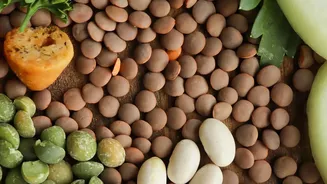
The report shines a powerful spotlight on what it terms 'opportunity crops' — foods that are nutrient-dense, climate-resilient, and culturally significant. For India, this section reads as a strong endorsement of millets like jowar, bajra, and ragi, as well as the diverse array of pulses and legumes that have been part of traditional diets for centuries. These grains are lauded not just for their superior nutritional profiles—being rich in protein, fibre, and minerals—but also for their agricultural benefits. They require less water and are more resistant to drought, making them a smart choice in the face of climate change. The UN's backing could further boost national initiatives like the Odisha Millets Mission and encourage a broader consumer shift towards these ancient superfoods.
What This Means for Your Kitchen
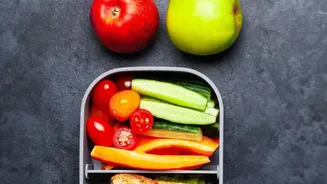
The implications of the report extend beyond policy and into the daily choices we make in our kitchens. It encourages a move towards dietary diversity. This doesn't mean drastic changes overnight, but rather a conscious effort to incorporate a wider variety of grains and vegetables into our meals. It could be as simple as swapping white rice for brown rice or millets a few times a week, ensuring a dal is part of every main meal, or choosing whole-grain bread over white. The report serves as a reminder that food processing can significantly affect nutritional value. Reading labels and opting for less-processed versions of everyday foods is a practical step every consumer can take to align their diet with the report's recommendations for better health.
A Call to Action for Policy
Ultimately, the 2026 UN Nutrition Report is a call to action for governments, food producers, and consumers. It stresses that individual choices can only go so far without supportive systemic changes. The report advocates for policies that make healthy diets more affordable and accessible for everyone. This includes supporting farmers who grow diverse, traditional crops, strengthening food fortification standards, and updating national dietary guidelines to emphasise nutrient quality. For India, it’s an opportunity to build on existing momentum around millets and food security, ensuring that the path to a nourished nation is paved with diverse, wholesome, and sustainable food staples.