





Foundations of a New Alliance
The groundwork for this accelerated partnership rests on key strategic agreements. India's decision to join the U.S.-led Artemis Accords was a pivotal moment, signaling a shift from a historically independent approach to one of global collaboration. The Accords are
a set of principles for safe and responsible space exploration, and by signing, India aligned itself with a growing international coalition dedicated to returning humans to the Moon and beyond. This was further solidified by the Initiative on Critical and Emerging Technology (iCET), a framework designed to deepen U.S.-India ties in sensitive areas like space, defence, and AI. More recently, this has evolved into the TRUST (Transforming the Relationship Utilizing Strategic Technology) initiative, broadening the scope of cooperation. These agreements are more than just diplomatic handshakes; they are the policy architecture enabling deeper commercial and technological integration.
Fueling the Private Sector Boom
For decades, the Indian Space Research Organisation (ISRO) was the sole custodian of India's space ambitions. That landscape has changed dramatically. Since opening to private enterprise in 2020, India's space sector has seen explosive growth, with over 400 startups now part of the ecosystem. The collaboration with the U.S. is set to pour rocket fuel on this fire. The partnership is explicitly designed to facilitate commercial ventures between U.S. and Indian companies. This includes exploring a 'space innovation bridge' to connect startups from both nations, focusing on areas like satellite technology and space situational awareness. For Indian startups, this means unprecedented access to American capital, technology, and markets, helping them scale from capability-building to capturing a larger share of the global space economy, which is projected to grow to nearly $44 billion for India by 2033.
From Human Spaceflight to Commercial Launches
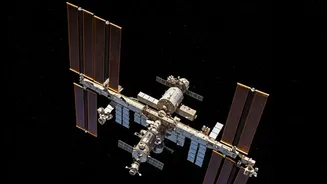
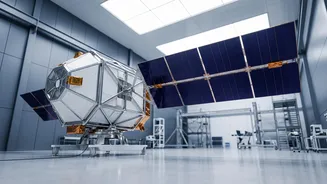
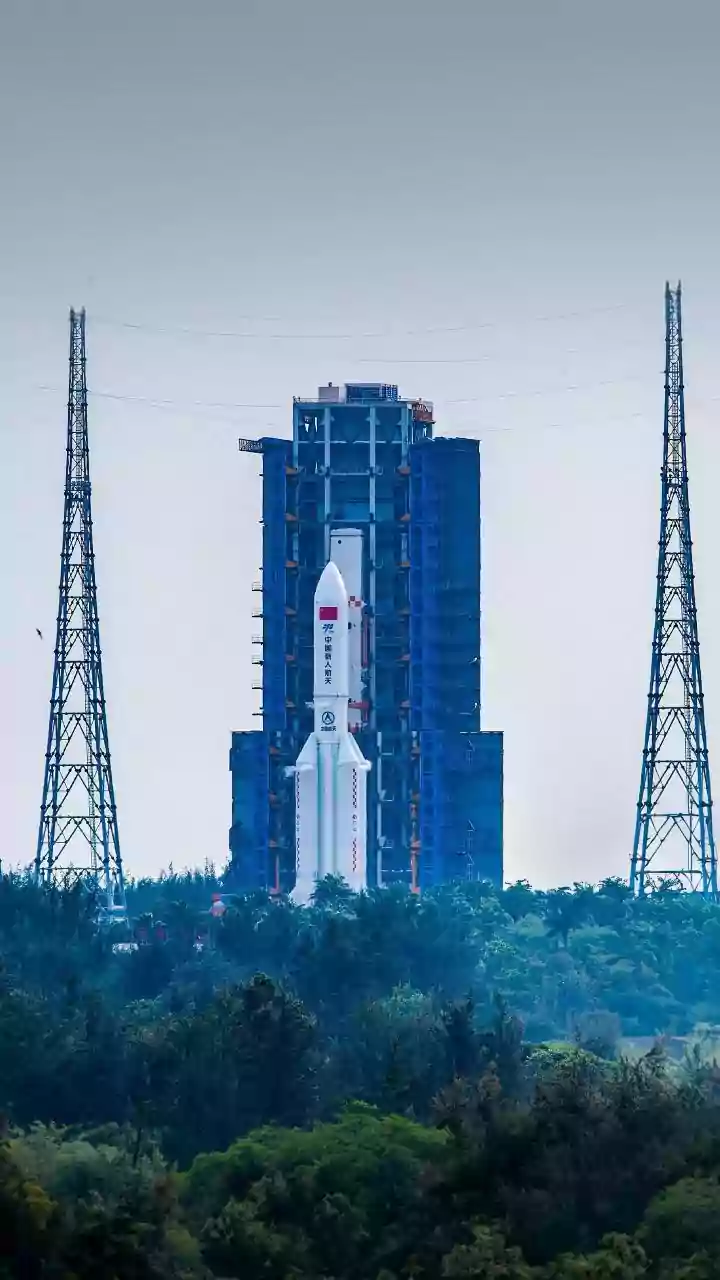
The collaboration is yielding tangible, high-profile projects. A landmark agreement will see ISRO astronauts train at NASA's Johnson Space Center for a joint mission to the International Space Station (ISS). This provides invaluable experience for India's own Gaganyaan human spaceflight program, offering insights into long-duration missions and astronaut safety protocols. Another cornerstone is the NASA-ISRO Synthetic Aperture Radar (NISAR) mission. This joint satellite will map the Earth's surface with incredible detail, aiding in disaster management, climate monitoring, and resource management. On the commercial front, the U.S. is a crucial market for India's cost-effective launch services. As Indian companies like Skyroot Aerospace and AgniKul Cosmos develop their own rockets, partnerships with U.S. firms for launching satellites become a significant revenue stream.
Strategic Alignment in the Final Frontier
The partnership extends beyond economics and science into geopolitics. By joining the U.S.-led Artemis Accords, India has firmly aligned itself with a bloc that excludes strategic rivals like China and Russia. This is a conscious choice to back a rules-based, transparent approach to space governance. Both nations share concerns about the peaceful and sustainable use of outer space, including the mitigation of orbital debris. This strategic convergence is also visible in defence space cooperation, with India participating in U.S. Space Command exercises. As space becomes an increasingly contested domain, this partnership strengthens India's position and contributes to a shared vision for security and stability beyond Earth's atmosphere.
Navigating Potential Hurdles
Despite the immense potential, the path to seamless collaboration has its challenges. U.S. export controls and regulations on dual-use technology can create bottlenecks, slowing the transfer of critical components and know-how that Indian companies seek. There is also a natural reluctance from established U.S. firms to share advanced technology that could create future competitors. Aligning the regulatory environments of a mature U.S. space industry with India's rapidly developing one requires concerted effort to address issues around foreign direct investment, procurement processes, and intellectual property. Overcoming this historical and regulatory friction will be key to unlocking the partnership's full potential.