


Decoding 'Low Light'
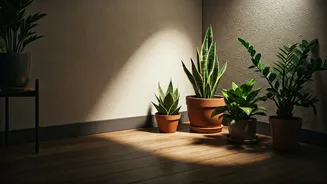
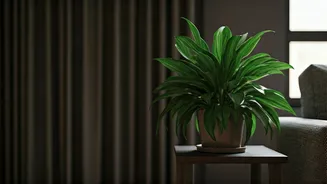
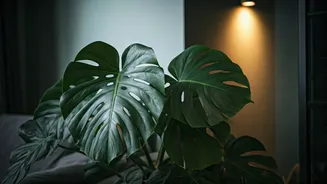
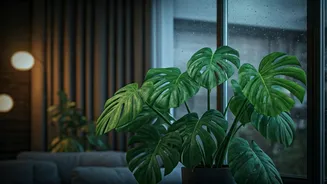
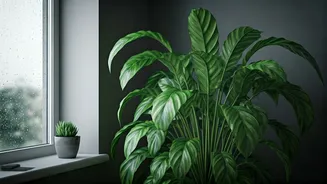
First, let's clarify what 'low light' actually means for a plant. It’s not a windowless closet. Think of a spot several feet away from a window, a room with a north-facing window, or an area where buildings or trees block direct sun. A good rule of thumb
is if you can comfortably read a book in that spot during the day, it likely has enough ambient light for a low-light tolerant plant. Remember, these plants are 'low-light tolerant', not 'no-light'. They still perform photosynthesis to survive, a process that requires light to create energy. Some can even get by on consistent artificial light from lamps or overhead fixtures, making them perfect for office desks.
Choose Your Champions
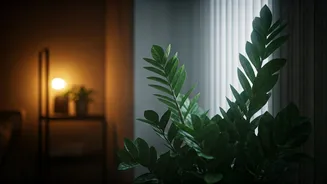
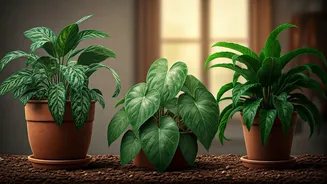
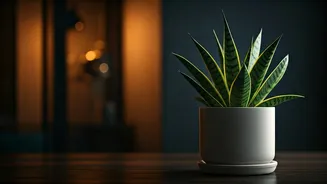
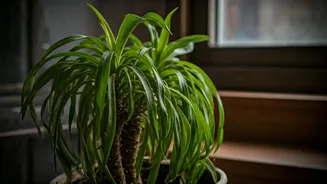
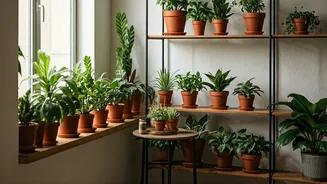
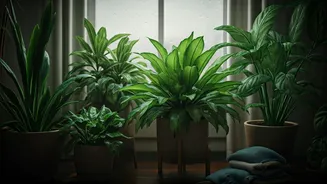
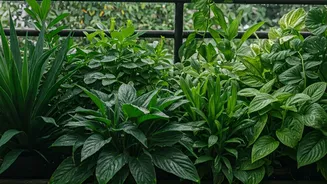
Setting yourself up for success starts with choosing the right plant. Many plants are marketed as low-light but will only 'tolerate' it by slowly fading. Instead, opt for species known for their resilience in genuinely dim conditions. The Snake Plant (Dracaena trifasciata) is nearly indestructible, with striking architectural leaves that thrive on neglect. The ZZ Plant (Zamioculcas zamiifolia) is another hero, with glossy, dark green leaves and a root system that stores water, making it incredibly drought-tolerant. The Pothos (Epipremnum aureum), or Devil's Ivy, is a fast-growing vine perfect for shelves or hanging baskets, which will happily trail even in darker corners. Finally, the Cast Iron Plant (Aspidistra elatior) earns its name by being tough as nails, surviving low light, poor air quality, and infrequent watering with ease.
Master the Watering Can
If there is one fatal mistake in low-light plant care, it’s overwatering. Since these plants receive less light, they grow slower and use significantly less water than their sun-drenched counterparts. Too much water suffocates the roots, leading to root rot, the most common cause of houseplant death. The golden rule is to let the soil dry out. Don't water on a schedule. Before you even pick up the watering can, check the soil. Stick your finger about an inch or two into the pot; if it feels damp, wait. When it does feel dry, water the plant thoroughly until water runs out of the drainage hole, then discard the excess water from the saucer. Never let a plant sit in a tray of standing water.
Reading the Leaves
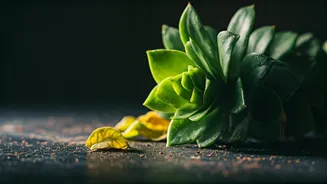
Your plant will tell you what it needs if you learn its language. The most common signal of distress is yellowing leaves. In a low-light plant, this is almost always a sign of overwatering. The soil is too soggy, and the roots are suffocating. If you see yellow leaves, check the soil moisture and allow it to dry out completely before watering again. Another common sign is 'legginess'—when a plant becomes long, stretched out, and spindly. This indicates it’s desperately reaching for more light. While these plants tolerate low light, they might appreciate being rotated or moved temporarily to a slightly brighter spot to encourage more even, compact growth. Also, remember to gently wipe dust from the leaves every few weeks with a damp cloth. A clean leaf can absorb the limited available light much more efficiently.