





What Is Happening in Nepal?
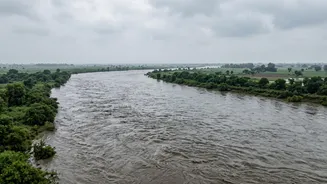
Devastating flash floods struck Nepal on Wednesday, primarily in the Bhote Koshi and Trishuli river basins in districts like Rasuwa. This was caused by extremely heavy rainfall, with some reports also suggesting a possible Glacial Lake Outburst Flood
(GLOF) near the Nepal-China border may have contributed to the sudden, massive volume of water. The event has caused significant loss of life and damage to infrastructure, with hundreds of people, including many foreign tourists, reported missing. This surge of water is now travelling downstream, moving from Nepal's rivers towards India.
Explaining the 'Second Water Surge'
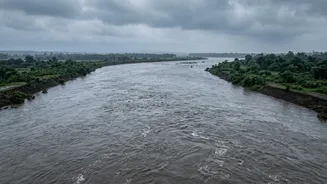
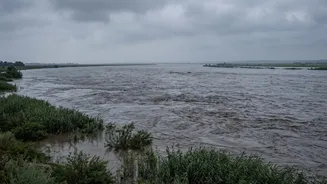
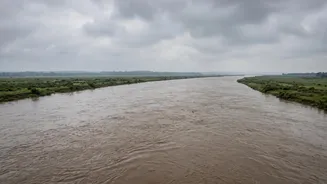
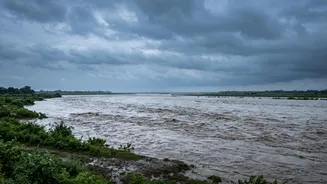
The term 'second water surge' or 'second wave' in this context refers to the delayed but substantial impact of the initial flood event. While the first surge was the immediate flash flood in Nepal's mountainous regions, the second surge is the large volume of floodwater that continues to flow downstream. This water travels through the river systems, gathering more volume from continued rainfall in catchment areas, and eventually reaches the plains of India. The concern is that this second wave, while potentially less intense than the initial burst, will arrive in already swollen rivers, threatening to breach embankments and inundate vast areas. Bihar's Water Resources Department noted that after an initial peak, the Gandak river's level was rising again due to delayed rainfall in upstream areas, illustrating this secondary surge effect.
Why Nepal's Floods Directly Threaten India
India and Nepal share a network of transboundary rivers, with many large river systems like the Koshi, Gandak (also known as Narayani in Nepal), and Ghaghara originating in the Himalayas in Nepal and flowing down into the densely populated Gangetic plains of India. The states of Bihar and Uttar Pradesh are geographically positioned at the receiving end of this flow. During the monsoon, heavy rainfall in Nepal's catchment areas naturally leads to higher water levels in these rivers. When a major event like the current flash flood occurs, it sends an exceptional amount of water downstream, putting immense pressure on barrages and embankments in India. The Kosi river, often called the 'Sorrow of Bihar,' is infamous for its tendency to change course and cause widespread, devastating floods.
Which Areas in India Are on High Alert?
Authorities have issued high alerts for several districts in both Bihar and Uttar Pradesh. In Bihar, at least nine districts are on alert, including West Champaran, East Champaran, Gopalganj, Muzaffarpur, Sitamarhi, Sheohar, Madhubani, Supaul, and Khagaria. In Uttar Pradesh, the districts of Maharajganj and Kushinagar, which border Nepal and lie along the Gandak river, have been told to take precautions. The Central Water Commission (CWC) specifically warned that the flood wave from Nepal's Trishuli river is expected to travel into the Gandak river, directly impacting these regions. Local administrations in these districts are closely monitoring the situation.
How Are Authorities Responding?
A multi-agency response is underway. Union Home Minister Amit Shah has spoken with the Chief Ministers of Bihar and UP, assuring them of all possible help. The National Disaster Response Force (NDRF) has been placed on high alert, deploying 20 teams across both states for rescue and relief operations, with additional units on standby. Specifically, NDRF teams have been sent to vulnerable districts like West Champaran and Muzaffarpur in Bihar and Kushinagar in UP. State disaster response forces and local police are also involved. In some low-lying areas, residents have been evacuated as a precautionary measure. Engineers are continuously monitoring water levels and the structural integrity of key infrastructure like the Valmikinagar Barrage on the Gandak river.
How to Stay Safe: Key Precautions
For residents in the affected regions, it is crucial to stay informed and prepared. Heed all official warnings and evacuation orders from local authorities. Prepare an emergency kit containing dry food, clean drinking water, essential medicines, a flashlight, and important documents stored in a waterproof bag. Avoid going near swollen rivers and do not attempt to walk, swim, or drive through floodwaters. Ensure your mobile phones are charged to receive updates and communicate in an emergency. Turn off main electricity and gas lines if you are asked to evacuate or if water enters your home. Finally, do not spread or believe in rumours; rely only on information from official government channels and news outlets.