



Your First Line of Defence: The Pack Cover
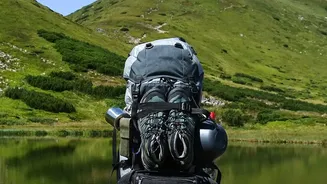
The most common method for waterproofing is a backpack rain cover. This is a simple, elasticated cover made of waterproof material that stretches over the outside of your pack. It’s an excellent first step, protecting the pack’s fabric from getting saturated
with water, which would otherwise add significant weight. Covers are easy and quick to deploy when a sudden shower hits. However, they have weaknesses. In windy conditions, rain can be blown underneath the cover, and the entire back panel and shoulder straps, which are pressed against you, remain exposed and will get soaked. This can lead to moisture seeping in from your back. Think of a cover as a great primary defence, but not a foolproof one.
The Ultimate Failsafe: A Pack Liner
For truly reliable protection, especially for critical gear like your sleeping bag and spare clothes, a pack liner is essential. This is a large waterproof bag that goes inside your backpack before you start packing. You place all your gear inside the liner, then roll the top down to create a watertight seal. Many experienced hikers consider this more effective than a rain cover because it creates a barrier even if the backpack itself gets completely wet, whether from rain or an accidental slip during a stream crossing. You can buy dedicated pack liners, but a sturdy, thick plastic garbage or compactor bag also works well and is a budget-friendly option. The main downside is that accessing gear at the bottom of your pack can be less convenient.
Organise and Protect: Using Dry Bags
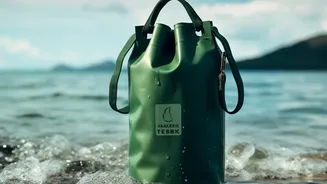
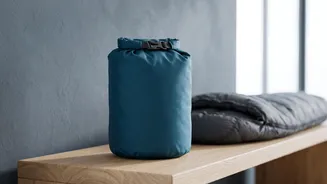
A more organised approach is to use multiple smaller dry bags inside your rucksack. This strategy, known as modular packing, involves grouping similar items together—for example, all your clothes in one dry bag, electronics in another, and food in a third. This not only offers an excellent layer of waterproofing but also keeps your pack incredibly organised, saving you from rummaging around in the rain. Using colour-coded dry bags can make finding what you need even faster. Many modern dry bags are made from ultra-lightweight materials, so they add minimal weight to your overall load. You can even use one spare dry bag to store wet or muddy clothes, keeping them separate from your clean, dry gear.
Boosting Your Pack’s Own Defences
Most backpacks come from the factory with a Durable Water Repellent (DWR) coating, which causes water to bead up and roll off. However, this coating wears off over time due to abrasion, dirt, and sun exposure. You can re-apply this finish yourself using a waterproof spray. First, you need to thoroughly clean your backpack, as dirt can prevent the spray from bonding to the fabric. Once clean and dry, apply one or two even coats of a DWR spray, paying special attention to seams. While this treatment won't make an old pack fully waterproof, it significantly improves its water resistance and is a great maintenance step to perform regularly. This should be seen as a supplemental measure, not your primary waterproofing strategy.
The Layered Approach: Combining Methods for a Foolproof System
For maximum peace of mind, especially on a multi-day trek in heavy monsoon rains, the best strategy is to combine these methods. Start with a pack liner as your non-negotiable internal barrier. Then, organise sensitive items like electronics, your sleeping bag, and important documents into their own smaller dry bags inside the liner. Finally, use a rain cover on the outside of your pack. This layered system provides triple protection. The cover sheds most of the rain and keeps your pack from getting waterlogged. The liner protects everything inside even if the cover fails or water seeps in through the back. And the individual dry bags offer a final, organised layer of security. With this setup, your gear will remain dry even in a sustained downpour, allowing you to enjoy the beauty of the hills without worry.