





The Pacific’s Great Climate Switch
At the heart of this global connection is a natural climate pattern called the El Niño-Southern Oscillation (ENSO). It operates in the tropical Pacific Ocean and has three phases: El Niño, La Niña, and neutral. Think of it as a giant oceanic switch that
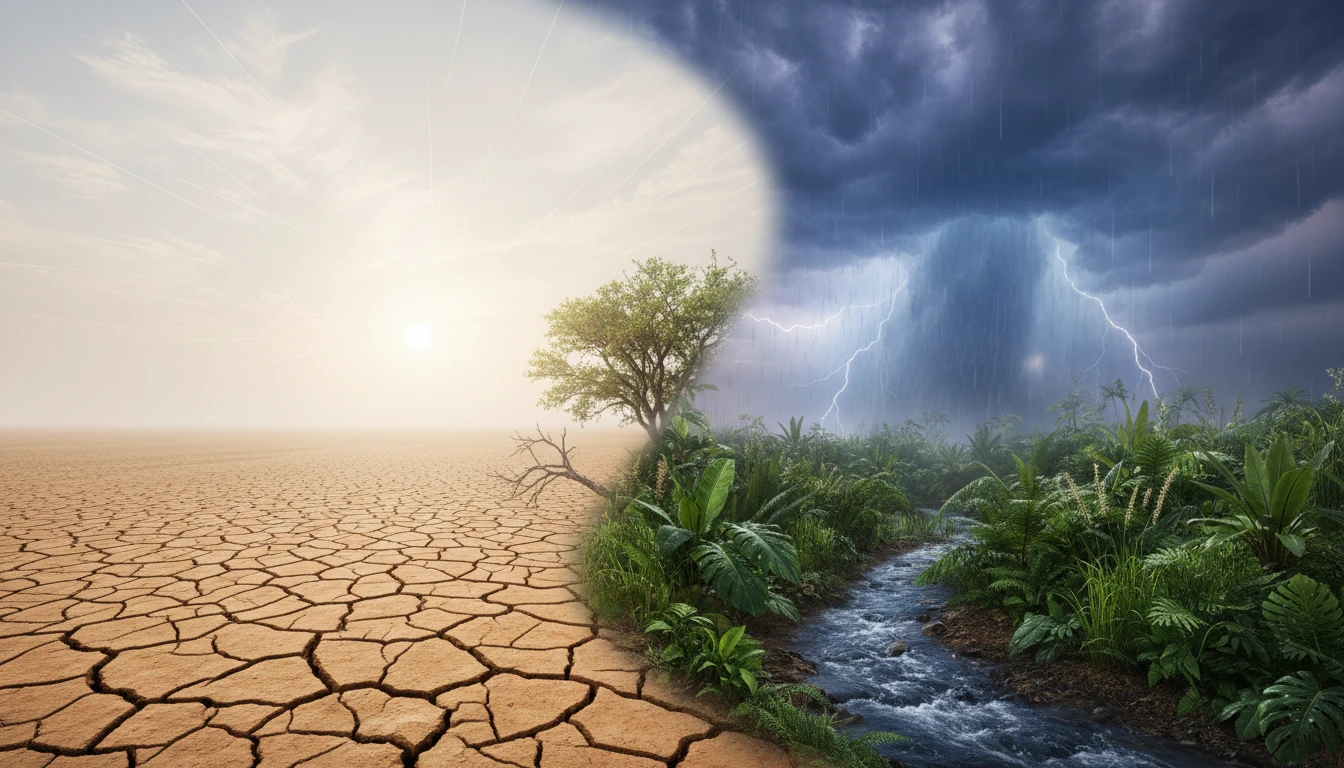
flips every two to seven years. El Niño is the 'warm phase,' where the sea surface in the central and eastern Pacific gets abnormally warm. La Niña is the 'cool phase,' marked by colder-than-average sea surface temperatures in the same region. These changes might seem distant, but they trigger a domino effect, altering atmospheric pressure and wind patterns that ripple across the globe, with profound consequences for India.
El Niño: When a Warm Pacific Spells Trouble
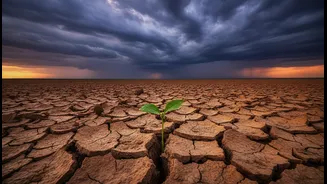
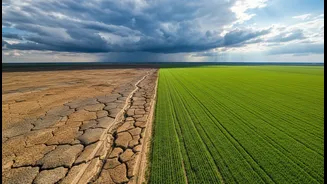
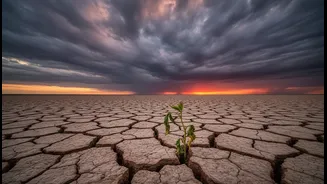
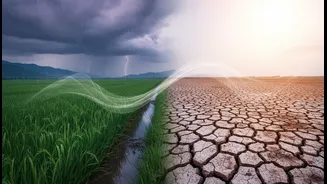
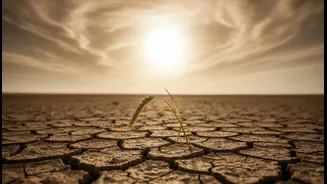
Historically, El Niño years are a cause for concern in India. The warming of the Pacific weakens the easterly trade winds. These winds are linked to the circulation that pulls moisture from the ocean towards the Indian subcontinent to fuel the southwest monsoon. When this atmospheric engine sputters, the monsoon often weakens. The result is frequently below-average rainfall or even drought conditions across large parts of the country. At least half of all El Niño years on record have coincided with monsoon droughts in India. The impact is direct and severe: Kharif crops like rice, cotton, and pulses, which are heavily dependent on monsoon rains, suffer. This leads to lower agricultural output, reduced farm incomes, and a drop in rural demand for goods and services.
La Niña: A Cooler Pacific and a Stronger Monsoon
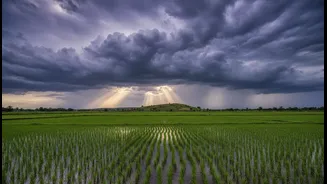
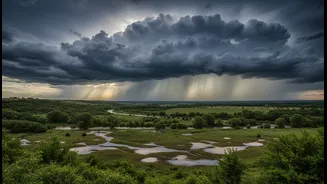
In contrast, La Niña is often welcomed. During this phase, the trade winds are stronger than usual, pushing warm surface water towards Asia. This process enhances the atmospheric circulation that brings monsoon rains to India. Consequently, La Niña years are often associated with normal or even above-normal monsoon rainfall. Bountiful rains are generally a boon for Indian agriculture, leading to higher crop yields and increased food production. This helps keep food prices in check, boosts the rural economy, and can lead to higher GDP growth. Furthermore, ample rainfall fills up reservoirs, which is crucial for drinking water supplies and for generating hydropower, a significant part of India's energy mix.
The Domino Effect on the Economy
The effects of El Niño and La Niña go far beyond the farm. A weak monsoon triggered by El Niño can stoke inflation, particularly food inflation, as lower supply meets consistent demand. This puts pressure on household budgets and can prompt the Reserve Bank of India to raise interest rates to control prices, which can slow down overall economic growth. Government finances also feel the strain, with increased spending required for subsidies, drought relief, and crop insurance schemes. Conversely, a strong monsoon aided by La Niña generally has a cooling effect on inflation and provides a broad-based boost to the economy, from higher sales of tractors and two-wheelers in rural areas to better performance of rural-focused companies.
Not a Perfect Prophecy
While the link is strong, it's not absolute. Not every El Niño year results in a disastrous drought. For instance, 1997-98 was a very strong El Niño year, yet India received above-average rainfall. Other climate factors, like the Indian Ocean Dipole (IOD)—a similar warming and cooling pattern in our own oceanic backyard—can sometimes counteract or amplify ENSO's influence. A 'positive' IOD can sometimes rescue a monsoon during an El Niño year. This complexity makes monsoon forecasting a challenging science. The strength and specific location of the Pacific warming also matter, meaning scientists must monitor these events closely to predict the most likely outcome for India's crucial rainy season.