





A Vision of Glowing Cities
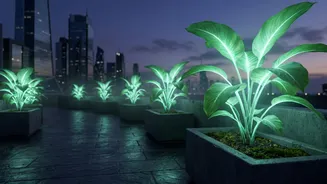
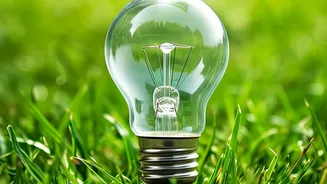
The idea is as simple as it is revolutionary: what if plants could light our world? For decades, this has been a dream for scientists, urban planners, and environmentalists. The goal is to create a self-sustaining, biological lighting system that could one
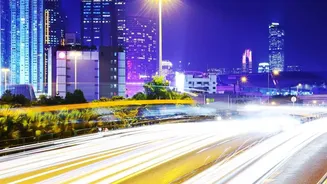
day replace electric streetlights. This would not only slash municipal electricity bills and carbon emissions but also reduce the harsh light pollution that plagues urban centres. Researchers envision parks, pathways, and even entire streets illuminated by the gentle radiance of living trees and flowers, creating healthier, more beautiful, and more sustainable urban environments. This 'Avatar'-like world is the long-term ambition driving a new frontier in biotechnology.
The Science of Natural Light
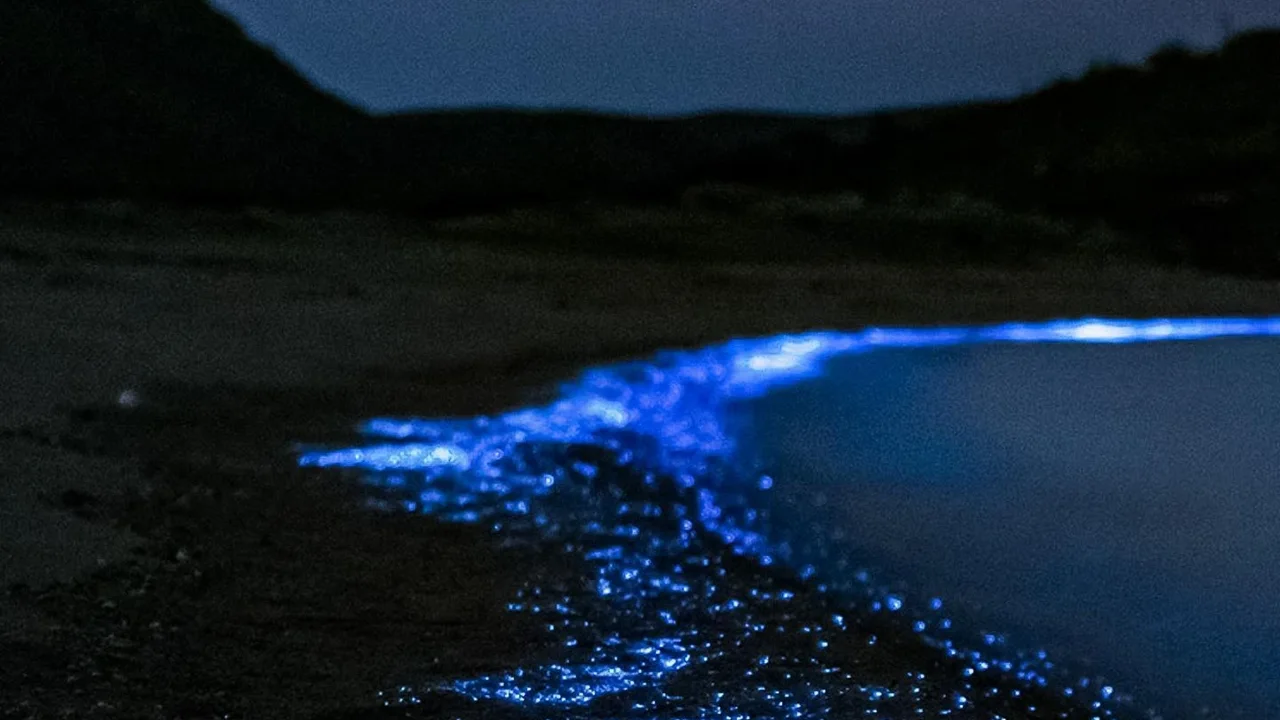
The magic behind this technology is bioluminescence, the same natural process that allows fireflies and some deep-sea creatures to produce light. Early experiments involved inserting genes from jellyfish or bioluminescent bacteria into plants, but these efforts produced only a very faint glow. The major breakthrough came from studying glowing mushrooms. Scientists identified the genes responsible for a fungal bioluminescent pathway and successfully integrated them into plants. This method allows the plant to convert caffeic acid—a compound it naturally possesses—into a light-emitting molecule through an enzymatic reaction. Essentially, the plant is engineered to become its own self-powered lamp, running on its own metabolic energy.
From Lab to Living Room
While glowing trees lining city streets are still a future goal, the first generation of this technology is already here. In 2025, a company called Light Bio made headlines by releasing the Firefly Petunia, the first commercially available bioluminescent plant for home gardeners. This petunia emits a soft, ambient glow from its flowers and leaves, visible to the naked eye in low-light conditions. The light is brightest in new growth and is best appreciated in areas free from other light pollution. While its glow is not nearly bright enough to read by, let alone light a street, the Firefly Petunia represents a critical proof of concept. It demonstrates that self-sustaining, glowing plants are not just possible, but can be healthy, stable, and made available to the public.
The Promise of Greener Urban Spaces
The potential benefits of scaling this technology up are immense. Lighting accounts for a significant portion of global energy consumption. Replacing electric lights with bioluminescent plants could dramatically reduce our reliance on fossil fuels. Furthermore, these living lights would actively improve the environment by absorbing carbon dioxide. They could also help mitigate light pollution, which disrupts wildlife, affects human sleep patterns, and can even interfere with natural plant life cycles. For residents, glowing flora could transform sterile urban nightscapes into enchanting, naturally lit spaces, enhancing public safety and wellbeing without the glare and energy waste of traditional lighting.
Hurdles on the Path to Illumination
Despite the exciting progress, significant challenges remain before we see bioluminescent streetlights. The primary obstacle is brightness. Current glowing plants are more decorative than functional, and researchers are working to significantly amplify their light output. Beyond the science, there are practical and ethical questions to consider. The high cost of research and development is a major factor. There is also the question of public acceptance of releasing genetically modified organisms (GMOs) into public spaces on a massive scale, along with the potential for unforeseen ecological impacts on local wildlife and plants. Finally, maintaining living organisms as critical infrastructure presents a new set of challenges for city planners, from seasonal changes to disease. These issues must be addressed before the dream of a glowing city can be fully realised.