





The Allure of the Uncharted
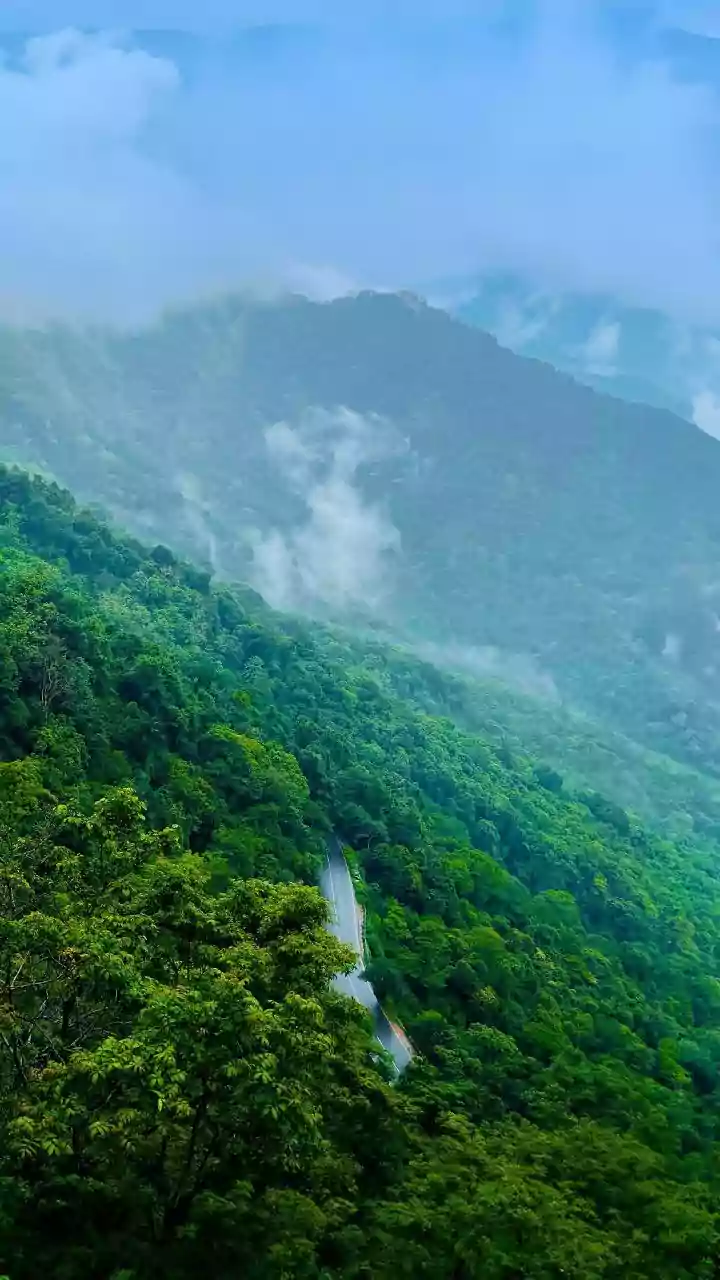
Sikkim has long been a sanctuary for those seeking refuge from the urban grind. Its cloud-wreathed mountains, serene monasteries, and vibrant local culture offer a powerful draw. For solo female travelers, the state’s reputation for safety makes it an especially
appealing destination. But the true magic of Sikkim isn’t found in bustling tourist hubs like Gangtok or Pelling; it’s hidden in remote villages where life moves at a gentler pace. The challenge, until recently, was finding these places. Traditional travel agents often push packaged tours, and guidebooks can be years out of date, leaving the most authentic experiences undiscovered by all but the most intrepid explorers.
A Digital Revolution in Travel
Enter the smartphone. A growing movement of digitally-savvy solo women is changing how we explore. They are not just consumers of travel content; they are creators and curators. Using a combination of social media, mapping apps, and travel blogs, they are building a living, breathing map of authentic accommodations, bypassing commercial hotels in favour of family-run homestays. This trend is about more than just finding a cheap bed for the night; it's a conscious choice to seek genuine connection and support local communities directly.
The Modern Traveler's Toolkit
The tools of this new trade are accessible to anyone. Instagram is a primary discovery engine. By searching geotags for remote villages like Dzongu, Yuksom, or Hee Bermiok, travelers can find photos posted by previous visitors, often leading them directly to a homestay’s unofficial page or the profile of a local host. Detailed travel vlogs on YouTube offer visual tours and honest reviews, providing a level of insight a simple text review cannot. Furthermore, dedicated travelers create and share curated Google Maps lists with pinned locations, contact numbers, and personal notes on what to expect. These lists become invaluable resources, passed between travelers in online communities, creating a trusted network of recommendations.
Safety Through Connectivity
For solo women, safety is paramount. This digital approach provides a powerful layer of security. Before booking, a traveler can vet a homestay by reading reviews from other women, looking through tagged photos to understand the environment, and even communicating directly with the host. This process builds trust and transparency, reducing the uncertainty that can come with arriving in an unknown place. Once there, the ability to share a live location with family and friends via WhatsApp or Google Maps provides peace of mind. This digital tether doesn't detract from the feeling of escape; instead, it enables a deeper, more confident exploration.
Empowering from the Ground Up
The impact of this trend extends far beyond the traveler. By shining a digital spotlight on remote homestays, these women are channelling tourist revenue directly into the hands of local families, many of whom are women themselves. In Sikkim, where homestays are often run by the matriarch of the family, this creates a significant source of independent income. A positive review on Google or a viral Instagram reel can transform a family's livelihood, allowing them to improve their facilities, send their children to better schools, and preserve their way of life without having to migrate to cities for work. It’s a sustainable, grassroots form of tourism where every stay makes a tangible difference.