



Why the Monsoon Challenges Your Gut
The rainy season, or 'Varsha Ritu' in Ayurveda, is a time when the digestive fire, known as 'Agni', is considered to be at its weakest. The high humidity and increased risk of water-borne pathogens can throw your gut's delicate ecosystem off balance.
This leads to common monsoon complaints like bloating, indigestion, and a higher susceptibility to infections. Modern science backs this traditional view, explaining that environmental changes can alter our gut microbiome, the community of microorganisms living in our digestive tract that is responsible for everything from digestion to immunity. During the monsoon, the body becomes more prone to infections, and with a significant portion of the immune system located in the gut, supporting digestive health becomes a top priority.
The Protective Power of Fermentation
Fermentation is a natural process where microorganisms like bacteria and yeast break down components in food. This transformation does more than just preserve food; it enriches it with probiotics, which are beneficial live bacteria. These friendly microbes help to restore balance in the gut by crowding out harmful bacteria. A healthy gut microbiome, supported by probiotics, strengthens the gut lining, improves nutrient absorption, and bolsters the immune system. Studies show that regularly consuming fermented foods can reduce inflammation in the body, which is linked to various chronic conditions. Essentially, these foods pre-digest nutrients, making them easier for a sluggish monsoon digestive system to handle.
Embrace These Monsoon-Friendly Fermented Foods
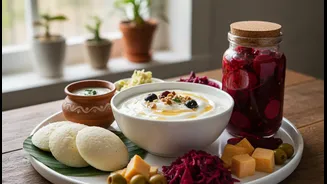
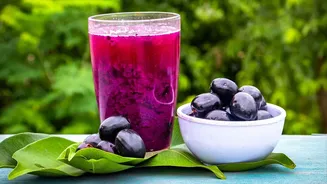
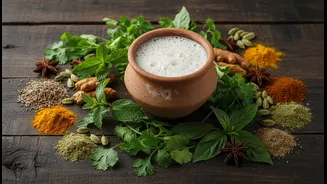
Many staples of the Indian diet are excellent sources of natural probiotics, making it easy to incorporate them into your rainy season meals. Dahi (Curd): Perhaps the most accessible probiotic food, homemade dahi is packed with Lactobacillus bacteria that aid digestion and prevent bloating. It's a versatile food that can be enjoyed as a side, in raita, or as refreshing chaas (buttermilk). For best results, opt for plain, homemade curd over commercial, sugar-laden yogurts. Idli & Dosa: These beloved South Indian classics are made from a batter of rice and lentils that is fermented overnight. This fermentation process not only creates their light, fluffy texture but also breaks down anti-nutrients, making minerals more available and the food itself easier to digest. A breakfast of freshly steamed idlis is a gut-friendly way to start a monsoon day. Dhokla: This savoury steamed cake from Gujarat is made from a fermented batter of gram flour (besan). It is light, protein-rich, and easy on the digestive system, making it an ideal snack during the rainy season. Kanji: A traditional fermented drink from North India, Kanji is typically made with black carrots, mustard seeds, and water. It is a probiotic powerhouse that aids digestion and helps cleanse the gut.
Tips for Safe Consumption
While fermented foods are beneficial, it's important to consume them wisely, especially during the monsoon when food safety is a concern. Always prioritize freshness and hygiene. Ayurveda traditionally advises consuming foods like curd in moderation, especially at night, as they can be heavy. Using curd to make lighter preparations like chaas, spiced with digestive aids like cumin and ginger, is often recommended. It's also best to consume freshly prepared items like idli and dosa. While homemade pickles created through lacto-fermentation are a good source of probiotics, they should be consumed in small amounts due to their high salt content.