




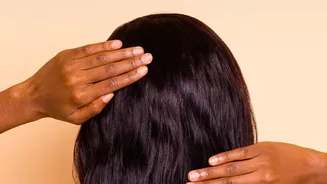
Coloring your hair is an investment of both time and money. Protecting that investment means more than just loving the shade; it requires the right aftercare routine to maintain its vibrancy and health for as long as possible.
Why Your Hair Color Fades
To understand how to protect
your color, it helps to know why it fades. The process of dyeing hair involves opening up the hair's outer layer, called the cuticle, to deposit color molecules inside the hair shaft. This process inherently makes the hair more porous. When the cuticle is lifted or remains slightly open, it creates an easy exit path for those expensive color molecules every time you wash your hair. Factors like hot water, frequent washing, and harsh chemicals can all cause the cuticle to lift, accelerating how quickly your vibrant new shade washes down the drain.
The Role of Harsh Sulfates
Many traditional shampoos contain strong cleansing agents known as sulfates, most commonly sodium lauryl sulfate (SLS) and sodium laureth sulfate (SLES). These ingredients are responsible for the rich, foamy lather many people associate with being 'clean'. However, for color-treated hair, this aggressive cleansing is a problem. Sulfates are so effective at removing dirt and oil that they also strip away your hair's natural moisture and, crucially, the color molecules you paid for. This action can leave your color looking dull and faded much faster than you'd like.
What 'Gentle' and 'Color-Safe' Really Mean
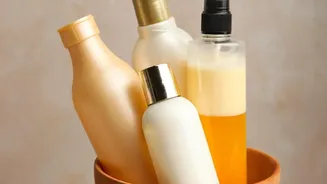
When you see a shampoo labeled 'sulfate-free' or 'color-safe', it signals a gentler approach. Sulfate-free formulas use milder cleansing agents that don't strip the hair as aggressively, helping to preserve both its natural oils and its color. A 'color-safe' label generally means the product is formulated to be gentle, preserve moisture, and often has a pH level that helps keep the hair cuticle sealed. A sealed cuticle is the key to locking in color. However, it's always wise to check the ingredient list, as some products marketed as color-safe may still contain sulfates. For maximum protection, look for formulas that are explicitly sulfate-free.
The Conditioner's Crucial Job: Sealing the Deal
If shampoo opens the door, conditioner is what closes and locks it. After shampooing, the hair cuticle can be slightly raised. Conditioner works to smooth and seal the cuticle, which accomplishes two vital things for colored hair. First, it locks the color molecules inside the hair shaft, preventing them from escaping. Second, a smooth cuticle reflects light more effectively, which makes your hair appear shinier and the color more vibrant. Conditioners formulated for colored hair often contain nourishing ingredients that restore moisture lost during the coloring process, fighting the dryness and brittleness that can make color look flat.
Ingredients That Protect Your Investment
Beyond being sulfate-free, the best products for colored hair contain ingredients that offer extra protection and nourishment. Antioxidants, like those from green tea extract and vitamin E, help shield hair from environmental factors and UV rays that cause oxidation and fading. Hydrating ingredients such as glycerin, argan oil, and jojoba oil replenish moisture, keeping hair soft and shiny. Some modern formulas also include bond-repairing peptides or proteins that help strengthen the hair structure, which is often weakened during the coloring process.
Beyond the Bottle: More Ways to Preserve Your Color
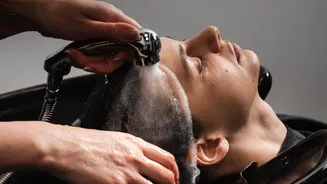
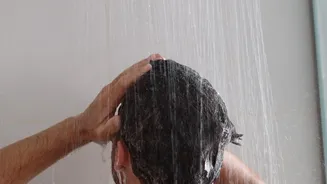
Your protection plan doesn't stop with shampoo and conditioner. Simple habits can make a huge difference. Wash your hair less frequently—two to three times a week is often enough. When you do wash, use lukewarm or cool water, as hot water opens the cuticle. Limiting the use of heat styling tools and always using a heat protectant spray can also prevent color from degrading. Finally, protecting your hair from sun exposure with a hat or a UV-protectant product can significantly slow down fading caused by UV rays.