





The Hidden Costs of Bad Storage
Before turning your home into a mini-warehouse, it's crucial to understand the risks. The primary enemies of stored dry goods are moisture, heat, light, and oxygen. These elements can turn your cost-saving purchases into a financial loss. Moisture encourages
mould growth, heat can make oils and fats in nuts and flours go rancid, light can degrade quality, and oxygen exposure leads to staleness. Furthermore, a disorganised pantry leads to forgotten items and duplicate purchases, silently eating away at your budget. A household can waste a significant amount of food annually, with poor storage being a major contributor. The goal isn't just to buy in bulk, but to use it all.
Choose Your Containers Wisely
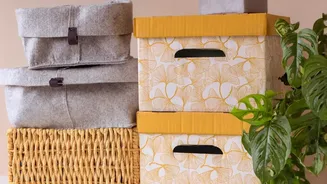
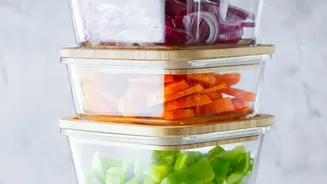
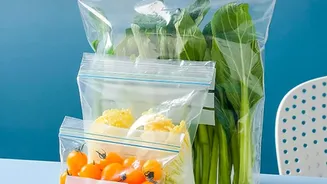
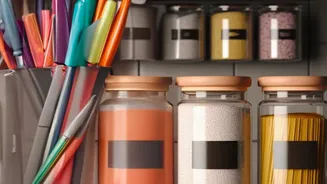
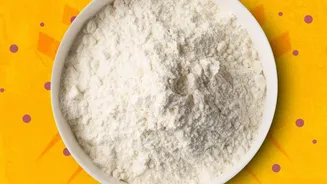
The original paper or thin plastic bags from the store are not suitable for long-term storage. Your first line of defence is transferring bulk items into proper containers immediately. Airtight containers are non-negotiable as they protect against oxygen, moisture, and pests. For frequently used items like rice, dals, or snacks, clear glass jars or high-quality, BPA-free plastic containers are excellent choices as you can see the contents at a glance. For long-term storage of staples like grains and flour, consider food-grade buckets with gamma seal lids or Mylar bags, which offer superior protection. Whatever you choose, ensure the lids seal tightly.
Mastering the Dry and Cool Environment
The word "dry" is critical. Your storage area should maintain a relative humidity of between 50% and 60% for optimal preservation of dry goods. In many parts of India, this can be a challenge. Avoid storing food in damp basements or in cupboards near a stove, as both heat and humidity accelerate spoilage. A cool, dark, and well-ventilated pantry is ideal, with a target temperature range of 10°C to 21°C. If your storage area is prone to humidity, consider using desiccants or a dehumidifier. Proper air circulation is also important, so avoid packing shelves too tightly.
The Power of an Organised System
An organised pantry is a functional pantry. Implement the 'First-In, First-Out' (FIFO) method, a system used by professionals to reduce waste. When you bring new items home, place them behind the older ones. This ensures you always use up the oldest stock first. Create zones by grouping similar items together—for example, a shelf for baking supplies, another for grains and lentils, and one for breakfast items. Label everything clearly with the item's name and the date of purchase. This simple habit eliminates guesswork and makes it easy to see what you have and what you need at a glance.
Know What Not to Buy in Bulk
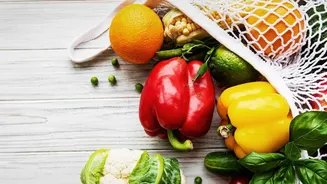
Not everything is a good candidate for bulk purchasing, no matter how tempting the deal. Items with high fat content, like nuts, seeds, and whole-wheat flour, can go rancid relatively quickly. Cooking oils also have a limited shelf life. Spices, while they don't spoil in the traditional sense, lose their potency and flavour over time. Unless you are running a restaurant, a giant container of mayonnaise or salad dressing is likely to expire long before you can finish it. Fresh produce like salad greens and berries should also be bought in smaller quantities, as their high spoilage rate can lead to significant waste.