






Back to Basics: What is Seasonal Eating?
Seasonal eating isn’t a restrictive diet or a complicated new trend. In fact, it’s one of the oldest food philosophies in the world, deeply rooted in Indian tradition and Ayurvedic wisdom. At its core, it’s about eating foods at the time of year they
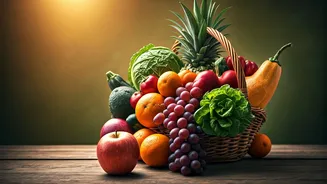
are naturally harvested in your local region. Think savouring juicy mangoes in the summer heat, crisp apples in the autumn, hearty sarson da saag during winter, and light, fresh vegetables during the monsoon. It's about aligning your plate with the rhythms of nature, a practice our grandparents followed intuitively. Instead of demanding strawberries in December, it encourages us to enjoy what the earth is offering right now.
Peak Flavour and Maximum Nutrition
There’s a reason a summer tomato tastes infinitely better than a winter one. When produce is allowed to ripen naturally on the vine and is picked at its peak, its flavour and nutritional profile are at their highest. Fruits and vegetables that are grown out of season or shipped long distances are often harvested prematurely and artificially ripened using gases. This process compromises both taste and nutrient content. Studies have shown that some produce, like broccoli and spinach, can lose a significant amount of Vitamin C shortly after being picked. By eating seasonally, you’re not just getting better-tasting food; you’re getting more of the vitamins, minerals, and antioxidants your body needs.
A Simple Hack for Your Wallet
Following the seasons can also be incredibly kind to your budget. Basic economics tells us that when a product is abundant, its price goes down. When you see your local sabziwala’s cart overflowing with carrots and peas in the winter, you’ll notice the prices are much lower than in the summer. Conversely, trying to buy those same vegetables when they are out of season means you’re paying a premium for the cost of storage, transportation, and the specialised farming techniques required to grow them. Shopping seasonally at your local market is a direct way to cut your grocery bills without compromising on quality.
A Lighter Footprint on the Planet
Your dietary choices have a significant environmental impact, and seasonal eating is a simple way to make a positive change. Foods grown out of season often require energy-intensive greenhouses, more pesticides to fend off unnatural pests, and significant water resources. Furthermore, produce that is shipped across the country—or the world—burns an enormous amount of fossil fuels, contributing to a large carbon footprint. By choosing local, seasonal produce, you support local farmers, reduce “food miles,” and decrease the overall demand for these resource-heavy agricultural practices. It's a sustainable choice that benefits both your community and the planet.
How to Get Started Today
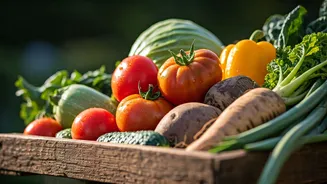
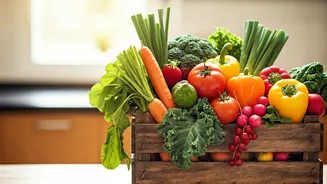
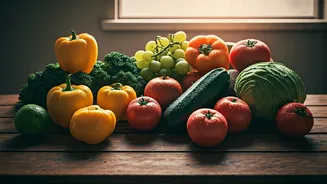
Adopting a seasonal approach doesn’t require a complete overhaul of your life. It’s about making small, mindful changes. Start by observing what’s fresh and plentiful at your local market or farm stand. Ask your vendor, “What’s good today?” or “What just came in?” Plan one or two meals a week around a seasonal vegetable you might not normally buy. In summer, embrace gourds, cucumbers, and melons. During monsoon, enjoy corn and leafy greens. In winter, load up on root vegetables like carrots and beets, and citrus fruits like oranges. It’s an adventure in food that reconnects you to your local environment.