
Punjab: Hearty and Healthy
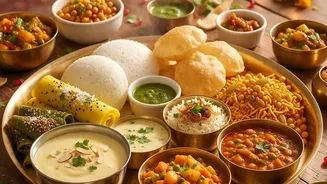
Punjabi cuisine is known for its rich and robust flavours, often involving generous amounts of ghee and cream. A festive table might feature Chole Bhature or rich paneer curries. For a healthier twist on Chole, ensure the chickpea curry is packed with
tomatoes and spices, reducing the oil by measuring it instead of pouring freely. When it comes to the bhature, instead of deep-frying, try baking or air-frying them for a crispy texture with a fraction of the fat. Similarly, for dishes like Dal Makhani, you can swap heavy cream with plant-based alternatives like coconut cream or simply use milk to retain creaminess without the excessive saturated fat.
Gujarat: Smart Snacking
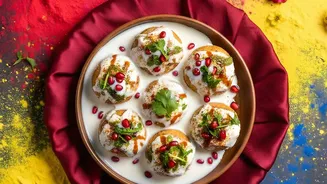
Gujarati farsan (snacks) are a festival highlight. Many favourites like Khandvi and Khaman Dhokla are already quite healthy as they are steamed. Khandvi, made from gram flour and yogurt, offers a delicate, melt-in-your-mouth texture. To keep these dishes light, focus on the tempering. Use minimal oil and let the flavour of mustard seeds, curry leaves, and sesame seeds shine. For fried snacks, baking is a fantastic alternative. Handvo, a savoury lentil cake, can be baked in an oven instead of being pan-fried, preserving its crispy exterior and soft interior while cutting down on oil.
Maharashtra: Sweet Swaps
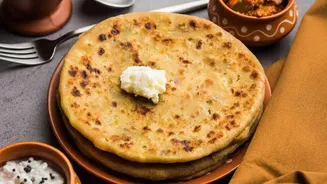
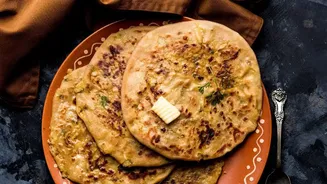
Puran Poli, a sweet flatbread, is a festive staple in Maharashtra. The traditional recipe involves a filling of chana dal and jaggery or sugar, enclosed in a refined flour (maida) dough. To make it more nutritious, the first easy swap is to use whole wheat flour for the outer covering (poli). This instantly increases the fibre content. For the sweet filling (puran), stick to jaggery instead of refined sugar, as it provides a more complex, caramel-like sweetness. Some modern variations even use dates and figs for a naturally sweet and nutrient-dense filling. Serve it with a drizzle of ghee, which is a healthy fat in moderation.
West Bengal: Guilt-Free Desserts
Bengali sweets are legendary, but often loaded with sugar. For a healthier festive spread, you can make simple but effective changes. Mishti Doi, a sweetened yogurt, can be prepared using jaggery instead of refined sugar and low-fat milk. For sweets like Sandesh, which are made from fresh paneer (chenna), you can control the amount of sugar and avoid heavy additions. You can also make creative, healthier desserts like baked Pati Shapta (stuffed crepes) using whole wheat flour and a coconut-jaggery filling, reducing the need for ghee or oil. Even a classic like carrot halwa can be made with date palm jaggery (nolen gur) and less ghee.
Kerala: A Lighter Sadya
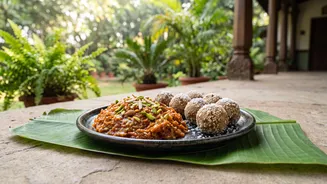
The Onam Sadya is a magnificent vegetarian feast served on a banana leaf, featuring a wide array of dishes. While many dishes are vegetable-based, some can be rich. Avial, a mixed vegetable stew with coconut, is a centrepiece. To keep it light, you can be mindful of the amount of coconut used and finish the dish with yogurt instead of a heavy coconut cream. Many Sadya dishes like Thoran (stir-fried vegetables) and Pachadi (yogurt-based relish) are already healthy. For the sweet payasam, you can use jaggery instead of sugar and opt for versions made with millets or broken wheat instead of rice to increase fibre. Using low-fat milk or a moderate amount of coconut milk will also help balance the nutrition.