

Bhai Dooj is a celebration of a unique bond, and what better way to honour it than with homemade sweets? Elevating a traditional recipe with the royal fragrances of saffron and cardamom can turn a simple preparation into a cherished memory.
The Aroma of Celebration
In Indian culture,
spices are more than just flavour; they are an integral part of ritual and celebration. Saffron, with its brilliant golden hue, is considered a symbol of divinity, prosperity, and good fortune. Its delicate, luxurious aroma instantly marks an occasion as special. Cardamom, the 'Queen of Spices', brings a warm, floral sweetness that signifies hospitality and joy. When used in sweets, especially during festivals like Bhai Dooj, these two spices do more than delight the palate. They evoke a sense of tradition and embed the food with layers of cultural meaning, turning a simple dish into an offering of love.
Choosing the Right Sweet
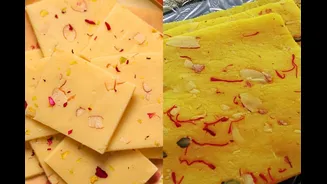
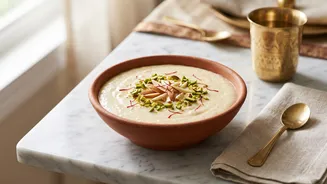
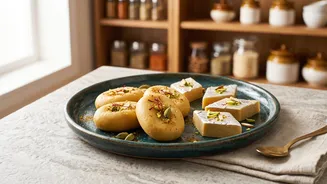
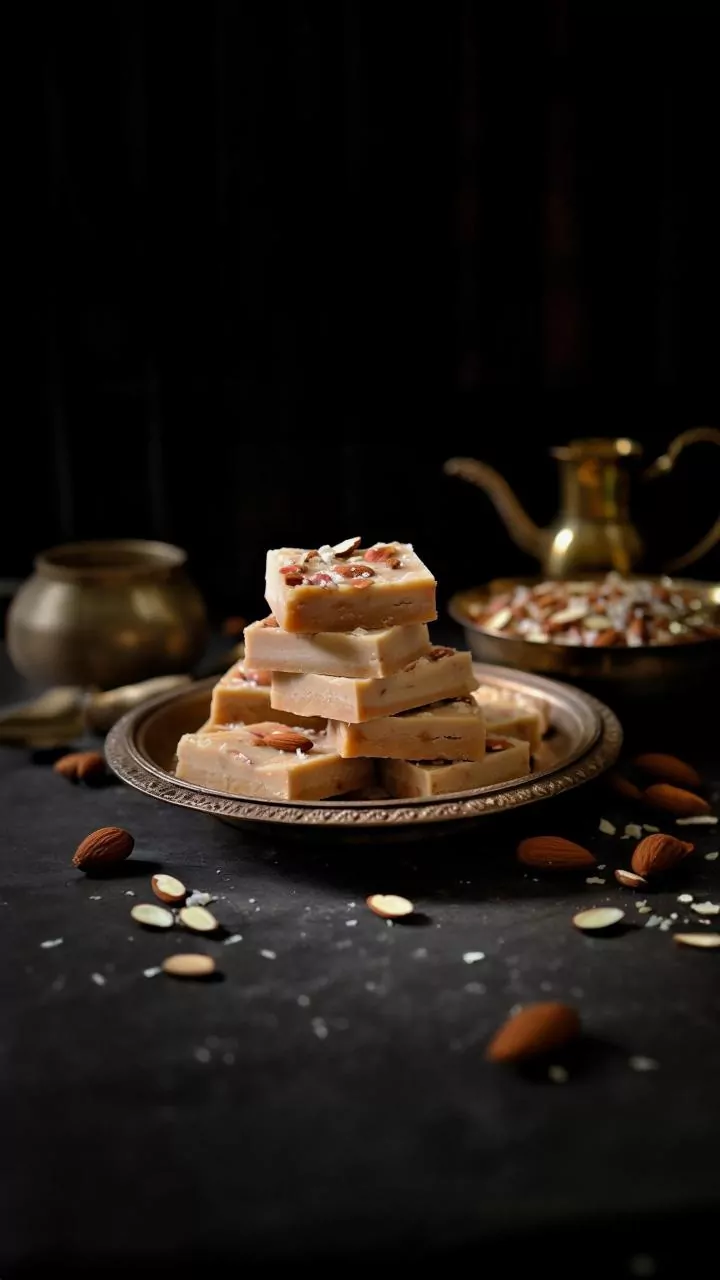
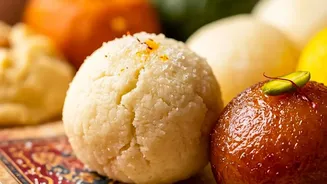
While saffron and cardamom can enhance many Indian sweets, they pair exceptionally well with milk-based preparations where their flavours can truly bloom. A Kesar Peda, a rich milk fudge, is an excellent choice for Bhai Dooj. Its creamy, dense texture provides the perfect canvas for the complex notes of saffron and the fragrant hints of cardamom. Other classic options that welcome these spices include Kheer (rice pudding), Rasmalai, or even a simple Barfi. The key is to select a sweet that is rich but not overpowering, allowing the subtleties of the spices to shine through.
Mastering Your Key Ingredients
To get the most out of these premium spices, a little preparation goes a long way. For saffron, always 'bloom' the strands before use. This means soaking a pinch of saffron in a tablespoon or two of warm milk for about 10-15 minutes. This simple step helps the saffron release its full, vibrant colour and deep aroma evenly throughout the sweet. For cardamom, the difference between pre-ground powder and freshly ground seeds is immense. For the most potent and authentic flavour, purchase whole green cardamom pods, remove the small black seeds, and crush them into a fine powder just before you begin cooking. This ensures the aromatic oils are fresh and the flavour is bright and intense.
A Simple Recipe: Kesar Elaichi Peda
This recipe uses milk powder for a quicker, yet equally delicious, result. You will need: 2 cups of milk powder, 1 cup of heavy cream, ½ cup of sugar, ¼ teaspoon of freshly ground cardamom, and a generous pinch of saffron soaked in 1 tablespoon of warm milk. Start by combining the cream and milk powder in a heavy-bottomed, nonstick pan on low heat. Stir continuously until it forms a soft, thick batter. Cook for 12–15 minutes, still stirring, until the mixture becomes a lumpy, soft dough known as khoya. Now, add your bloomed saffron milk and cardamom powder, mixing well and cooking for another 2–3 minutes. Turn off the heat and transfer the khoya to a bowl to cool until it's just lukewarm. It's crucial not to add sugar while the mixture is hot, as it will become too soft. Once lukewarm, knead in the sugar until you have a smooth dough. Divide the dough into small, equal portions and roll them into balls between your palms, gently flattening them to create the classic peda shape.
Garnishing and Presentation
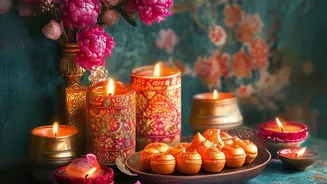
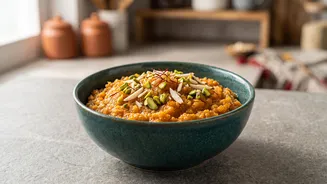
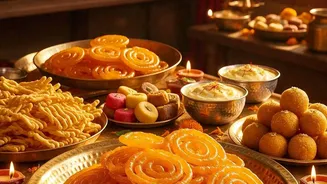
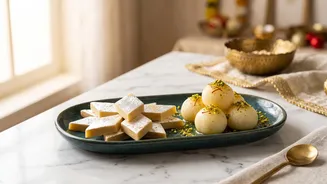
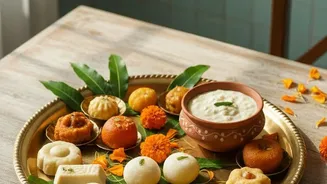
The final touch makes your homemade sweets look as special as they taste. A traditional and beautiful garnish for Kesar Pedas is a sliver of pistachio pressed into the center of each one. The green of the pistachio provides a lovely contrast to the golden–yellow of the saffron–infused peda. You can also add an extra, un–soaked saffron strand on top for a truly regal look. Arrange the finished sweets on a platter, perhaps on a banana leaf or in festive paper cups. Serving them as part of the Bhai Dooj thali makes the ritual even more meaningful, a sweet testament to the special bond being celebrated.