




Beyond Butter Chicken and Dosa
For decades, dining out in India often meant a choice between familiar categories: Punjabi, South Indian, or maybe Indo-Chinese. But today’s casual dining scene is undergoing a significant transformation. Restaurants are increasingly adopting multi-regional
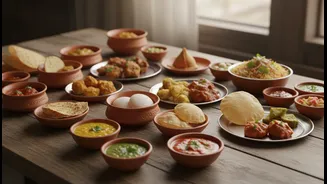
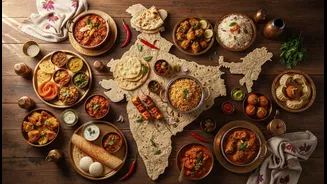
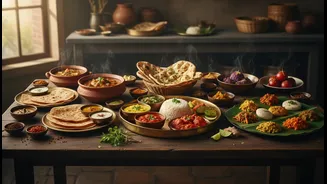
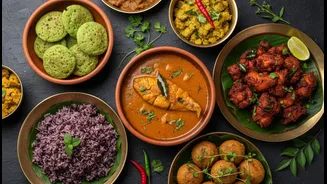
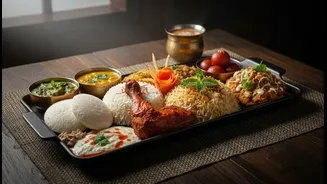
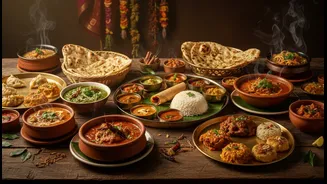
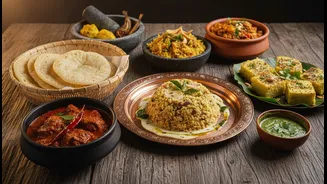
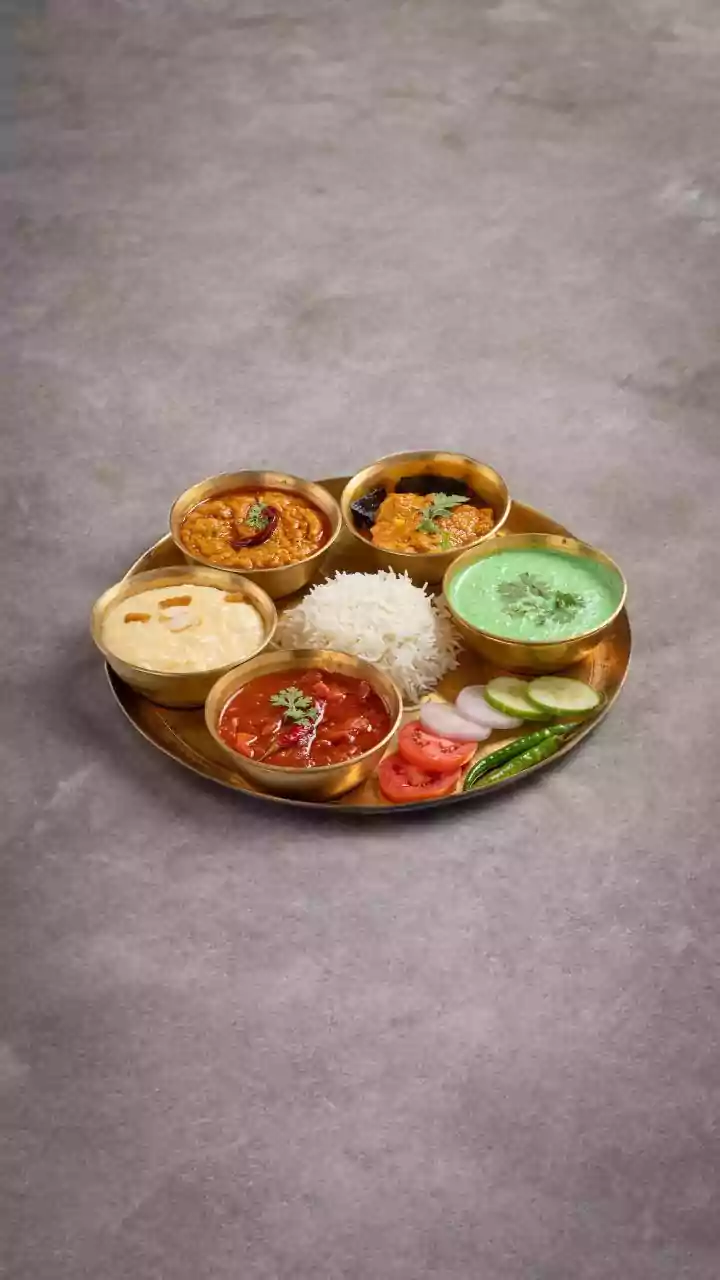
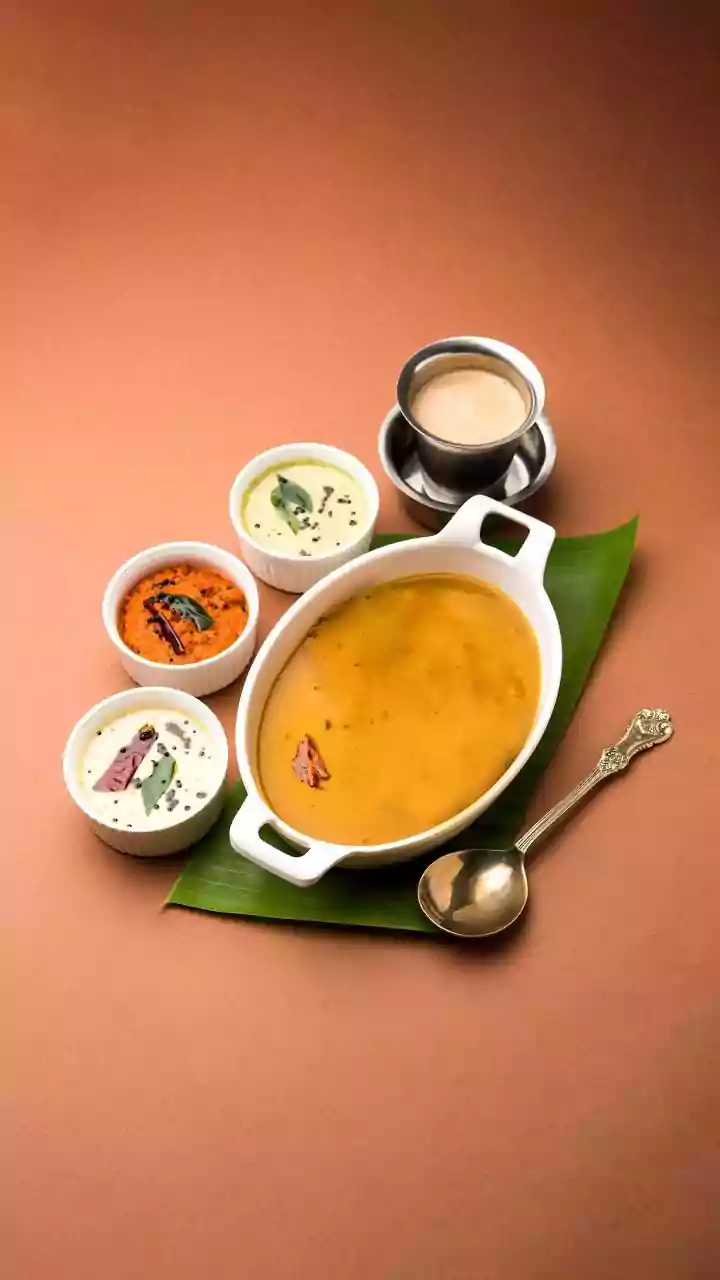
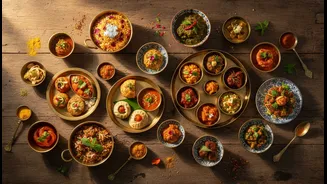
menus, curating dishes from various corners of the country under one roof. Instead of a menu that just says 'North Indian', you might now find specific dishes like Kashmiri Nadru Yakhni alongside a robust Rajasthani Ker Sangri. This shift moves past broad generalizations to celebrate the specificity and diversity of India's culinary landscape, offering diners a chance to explore the coastal flavours of Kerala, the smoky notes of Nagaland, and the spicy boldness of Gujarat all in one sitting. This isn't the chaotic fusion of the past, but a thoughtful and intelligent presentation of India's vast food heritage.
A Savvy Business Strategy
Adopting a multi-regional menu is more than a culinary statement; it's a shrewd business decision. In a crowded market, a diverse menu helps restaurants stand out. It solves the classic 'veto vote' problem, where a group can't agree on a single type of cuisine. A menu offering everything from Goan seafood to Bihari specialities ensures there is something for everyone in a multi-generational family or a group of friends with varied tastes. This wider appeal can lead to more consistent footfall and higher revenue. Restaurateurs are capitalizing on a growing market of consumers willing to pay a premium for authentic experiences that can't be easily replicated. This trend is also powered by the rise of cloud kitchens and delivery platforms, which allow even niche regional specialties to reach a national audience, turning local delicacies into commercial successes.
Catering to the Curious Indian Diner
The success of multi-regional menus is intrinsically linked to the evolution of the Indian consumer. Thanks to increased travel, rising disposable incomes, and endless exposure to food vlogging and social media, today's diner is more adventurous and knowledgeable than ever. There is a sharp curiosity about regional cuisines and a growing desire to move beyond the usual butter chicken and biryani. Eating out is no longer just about sustenance; it has become an act of exploration and discovery. Diners want meals that tell a story and offer a meaningful connection to heritage. This cultural shift has created a fervent demand for authenticity and variety, which multi-regional menus are perfectly positioned to satisfy. Chefs are responding by reviving forgotten recipes and celebrating local ingredients, turning a simple meal into a transportive experience.
The Art of a Curated Experience
The smartest multi-regional restaurants understand that success isn't just about listing as many dishes as possible. The key is curation. A well-designed menu guides the diner, creating a cohesive journey rather than presenting a confusing catalogue. While authenticity is valued, successful restaurants often make slight adaptations to suit a broader palate without losing the essence of the dish. The focus is shifting towards hyper-regionalism, celebrating the unique food traditions of smaller communities and even individual villages. Chefs are acting as storytellers, using menus to highlight indigenous ingredients and modern techniques to elevate traditional flavours. This thoughtful approach transforms the menu from a simple list into the main event, proving that offering a variety of regional dishes is a smart, sophisticated, and ultimately more rewarding way to dine.