

A Tapestry of Tradition and Trend
Across the high-rises of Mumbai, the garden-facing apartments of Bengaluru, and the stylish homes of Delhi, a colourful movement is underway. Homeowners are increasingly looking for decor that tells a story, and what could be more personal than a family
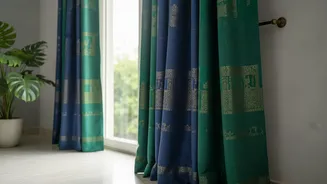
heirloom repurposed into a functional piece of art?. The trend of using old sarees as window drapes isn't just about saving money; it's a conscious choice that aligns with a broader shift towards sustainable and mindful living. As environmental awareness grows, people are seeking alternatives to mass-produced goods, and upcycling textiles offers a perfect solution. It reduces landfill waste while adding a unique, handcrafted touch that generic curtains simply cannot match.
More Than Just Fabric
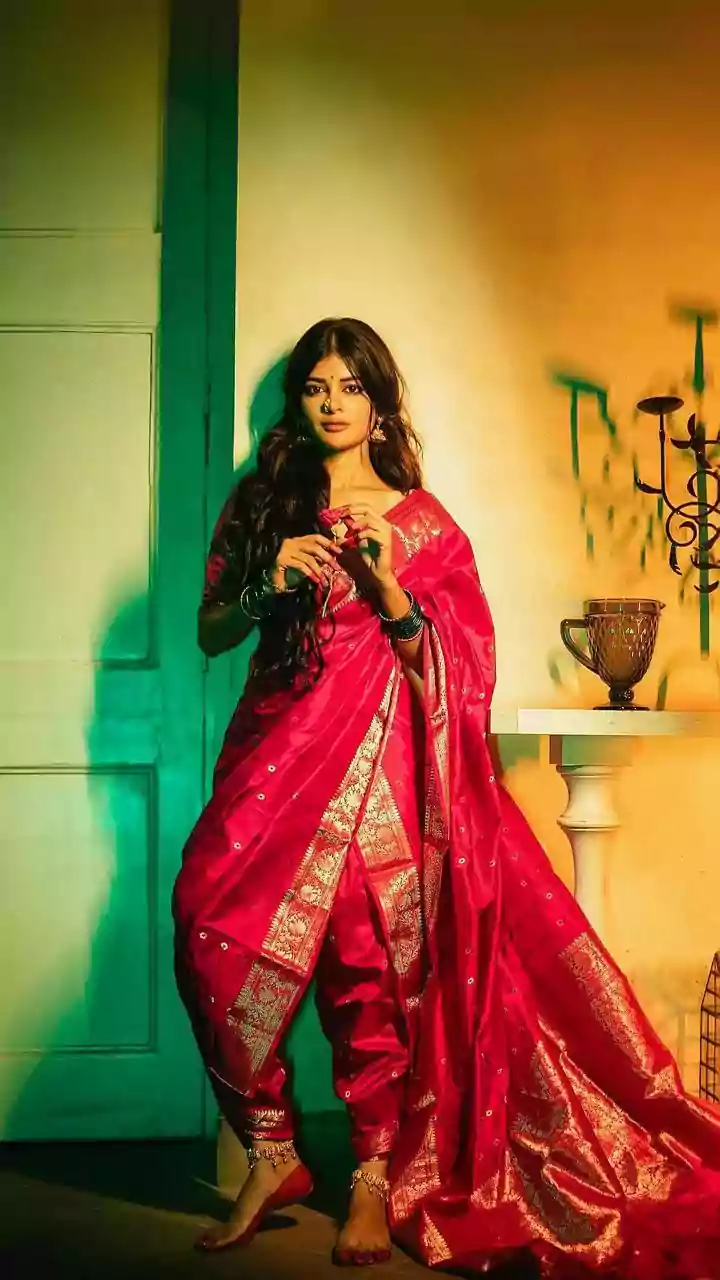
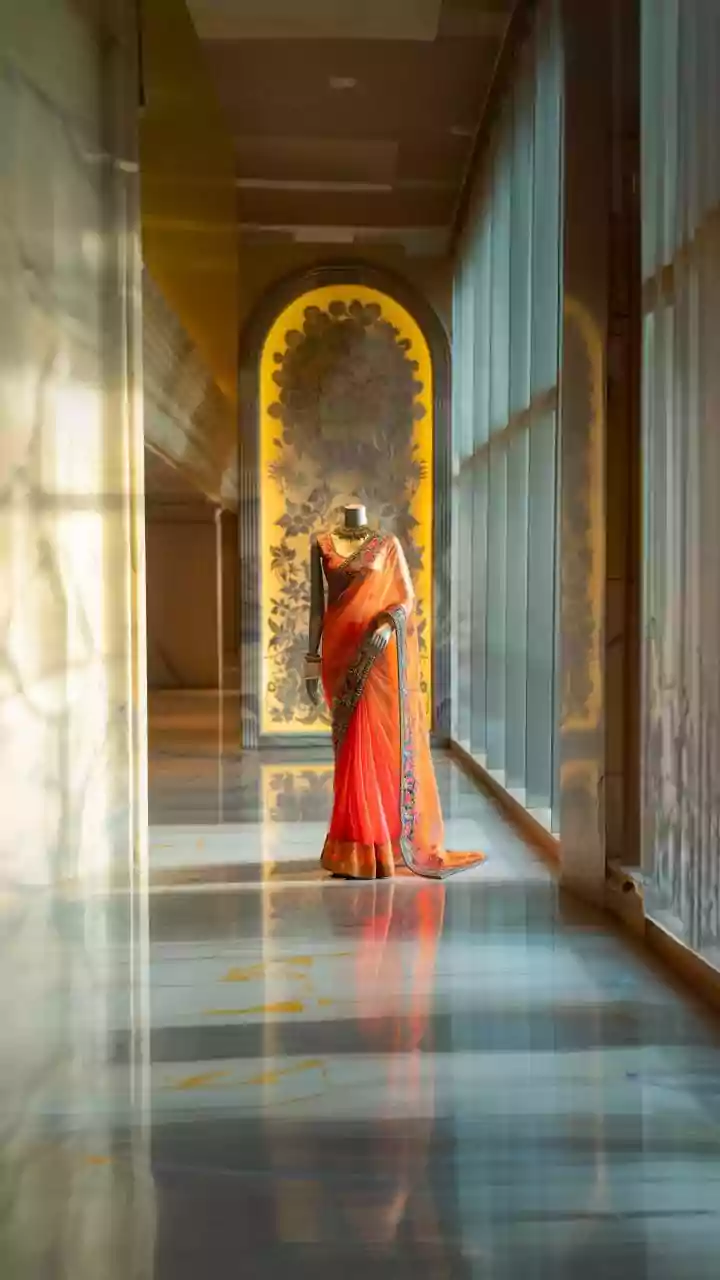
The saree is uniquely suited for this second life. Its generous length, typically five to nine yards, provides ample fabric for drapes. But it's the sheer variety that makes it so versatile. Whether it’s a lustrous Banarasi silk, a breathable cotton handloom, or a light-as-air chiffon, each fabric brings a different quality of light and texture to a room. These aren't just textiles; they are carriers of memory and emotion. The intricate weaves, delicate embroidery, and vibrant pallus that once adorned a person can now frame a window, catching the light and bringing stories of festivals, family gatherings, and quiet moments into the home.
The Urban Home's New Aesthetic
In space-conscious urban apartments, creating a sense of personality and warmth is key. Upcycled saree drapes achieve this with effortless grace. They fit perfectly within several prevailing design trends, including the revival of artisanal decor, biophilic design that emphasizes natural light, and a modern take on minimalism that values meaningful objects over clutter. A light cotton saree can act as a sheer curtain, filtering sunlight to create a soft, diffused glow without blocking the view—a precious commodity in crowded cities. A heavier silk or brocade drape can add a touch of regal elegance and provide privacy, transforming a simple room into a sophisticated sanctuary.
From DIY Project to Designer Piece
The trend is accessible to everyone, whether you are a DIY enthusiast or prefer a curated designer product. Many people are simply taking their mothers' or grandmothers' old sarees to a local tailor for a quick and easy transformation. Online tutorials offer simple, no-sew methods for hanging these beautiful fabrics. For those seeking a more polished look, a growing number of Indian designers and boutique brands are championing the upcycling movement. Labels like I was a Sari and Paiwand Studio are turning textile waste into high-end home goods and fashion, proving that sustainability can be synonymous with luxury and style. These brands collaborate with artisans, ensuring that this trend also supports traditional craft and local economies.
An Eco-Friendly and Soulful Choice
Ultimately, the appeal of upcycled saree drapes goes beyond their beauty. Choosing to repurpose is an environmentally responsible act that addresses the massive problem of textile waste in the fashion industry. It’s also a deeply personal one. In an age of globalisation, it allows individuals to connect with their cultural heritage in a contemporary way. Each curtain is a one-of-a-kind piece, impossible to replicate, carrying with it the sentimental value of the original garment. By giving a cherished saree a new life, you are not just decorating your home; you are weaving your own story into its very fabric.