

The Daily Paw Cleanup Routine
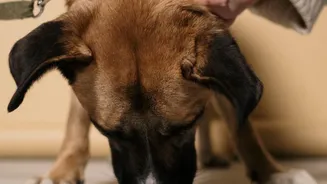
A dog's paws are in constant contact with wet, dirty surfaces during the monsoon, making them vulnerable to bacterial and fungal infections. Pododermatitis, an inflammation of the skin on the paws, is a common issue. Trapped moisture between the toes
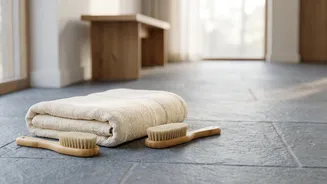
and pads creates an ideal environment for yeast to grow, leading to irritation, redness, and constant licking. A non-negotiable rule for the rainy season is to clean and dry your dog’s paws after every single walk. For light dirt, a simple wipe with a soft, dry towel might suffice, paying close attention to the areas between the toes. For muddier outings, rinse the paws with lukewarm water. You can use a gentle, dog-safe cleanser or antiseptic solution, but always dry the paws thoroughly afterwards to prevent moisture from getting trapped.
Why Parasites Thrive in the Rain
The high humidity and damp conditions of the monsoon are a paradise for external parasites like ticks and fleas. Their populations surge during these months, hiding in wet grass, leaf litter, and shrubs, waiting for a host. These are not just a nuisance; they are carriers of serious illnesses. Ticks can transmit diseases like tick fever, which causes fever, lethargy, and can become severe if not treated. Fleas multiply rapidly in warm, humid environments and can lead to intense scratching, skin allergies, and even infestations inside your home. Beyond external threats, stagnant water puddles can harbor bacteria like Leptospira, which causes the serious disease leptospirosis, and larvae of intestinal worms like Giardia.
A Proactive Prevention Plan
Prevention is far better than cure, especially during the high-risk monsoon season. First, ensure your dog is up-to-date with vet-recommended tick and flea preventives. These come in various forms, including spot-on treatments, medicated collars, or oral tablets that offer consistent protection. Second, conduct daily checks. After walks, run your hands over your dog's entire body, feeling for any small bumps. Pay special attention to their ears, neck, armpits, and between their toes, as these are common hiding spots for ticks. Prompt removal of any tick you find is crucial to reduce the risk of disease transmission. Finally, maintain a clean home environment by regularly washing your dog’s bedding in hot water and vacuuming carpets to eliminate any flea eggs or larvae that may have been brought inside.
Beyond the Paws: Overall Monsoon Wellness
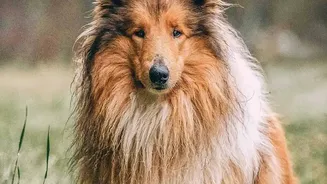
A holistic approach to your dog's health is essential during the rains. Damp fur is a major cause of skin infections, so a thorough drying with a towel after any exposure to rain is vital. For long-haired breeds, a monsoon trim can make drying easier and prevent matting. Ear infections are also common because the L-shaped ear canal in dogs can easily trap moisture, creating a breeding ground for bacteria and yeast. Gently wipe the outer part of your dog's ears dry after walks. Always provide fresh, clean drinking water to prevent them from drinking from potentially contaminated puddles. Storing their food in an airtight container is also important to prevent it from spoiling in the humid weather.