


The Spiritual Heart: Odisha’s Golden Triangle
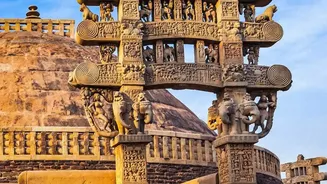
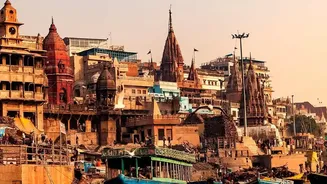
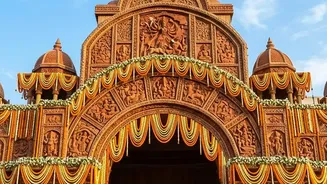
Any cultural exploration of Odisha begins with its famed Golden Triangle: Bhubaneswar, Puri, and Konark. A five-day tour typically dedicates significant time to these spiritual anchors. In Bhubaneswar, the 'Temple City of India', you will encounter architectural
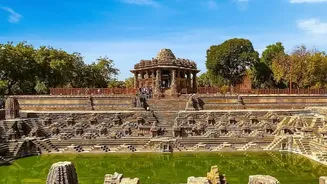
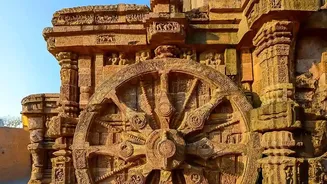
marvels like the 11th-century Lingaraj Temple, dedicated to Lord Shiva, and the smaller, exquisitely carved Mukteshwar Temple, often called the 'Gem of Odisha architecture'.From there, the journey moves to Puri, home to the revered Jagannath Temple, one of the Char Dham pilgrimage sites for Hindus. While entry to the main sanctum is restricted, the temple's immense cultural significance and bustling atmosphere are palpable from its surroundings. The tour culminates at the UNESCO World Heritage site of Konark, where the magnificent Sun Temple stands. Designed as a colossal chariot for the Sun God, Surya, its intricate stone carvings depicting myths, deities, and daily life are a testament to the pinnacle of Kalinga architecture.
Raghurajpur: A Village Painted with Stories
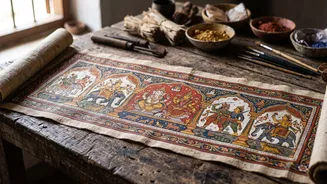
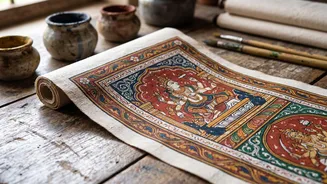
Just 14 kilometres from Puri lies Raghurajpur, a village unlike any other. Recognized as a heritage crafts village, nearly every home here doubles as an artist’s studio. A walk through its two main streets is an open-air museum experience, with vibrant murals adorning the walls of houses. This is the epicentre of Pattachitra painting, where artisans have preserved their craft for centuries, often passing it down through generations. Visitors have the unique opportunity to interact with these master craftsmen, watch them at work, and understand the deep connection between their art and their devotion to Lord Jagannath. The village is also home to other traditional arts like palm leaf engraving, stone carving, and wood carving, making it a living library of Odia craftsmanship. Beyond visual arts, Raghurajpur is the birthplace of the Gotipua dance, the precursor to the classical Odissi dance form.
The Soul of Pattachitra Painting
Pattachitra, which translates to 'picture on cloth' (Patta for cloth, Chitra for picture), is the region's most iconic art form. This traditional scroll painting, with roots stretching back over a thousand years, originally served a ritualistic purpose. During a 15-day period when the idols of the Jagannath Temple are kept from public view, Pattachitra paintings of the deities are worshipped instead. The entire process is organic. The canvas is made by coating layers of cotton cloth with a paste of tamarind seeds and chalk powder. The artists, known as Chitrakars, create their own paints using natural pigments from minerals, ground stones, and plants—red from the hingula stone, yellow from harital, and black from lamp soot. The themes are primarily mythological, depicting scenes from the Ramayana and Mahabharata, and the life of Lord Krishna, all framed by intricate floral borders.
Beyond the Canvas: Pipili and Other Crafts
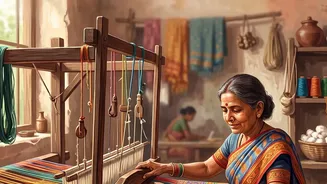
While Pattachitra is a major draw, Odisha's craft landscape is incredibly diverse. A tour often includes a stop at Pipili, a town famous for its vibrant appliqué work, known locally as 'Chandua'. This craft, also historically linked to the Jagannath Temple, involves stitching colourful pieces of cloth onto a base fabric to create bold, beautiful items. Originally used for temple canopies, umbrellas, and chariot coverings for the Rath Yatra, the craft has now found its way into modern homes through items like lampshades, wall hangings, and cushions. Beyond Pipili, artisans in different parts of the state practice silver filigree (Tarakasi) in Cuttack, terracotta pottery, and delicate palm leaf engraving (Tala Pattachitra), where stories are intricately etched onto dried palm leaves with a steel stylus.
Planning Your Art and Soul Tour
A well-structured five-day tour seamlessly blends temple visits with craft exploration. Most itineraries start in Bhubaneswar, move to Puri as a base, and include day trips to Konark, Raghurajpur, and Chilika Lake. The best time to visit is between October and March, when the weather is pleasant and conducive to travel. When visiting Raghurajpur or Pipili, consider buying directly from the artisans. This not only ensures you get an authentic piece but also supports the local community and helps preserve these invaluable traditions. Don't be shy about asking artists about their process; many are happy to share the stories behind their work. This interaction transforms a simple purchase into a meaningful cultural exchange, making your trip a deeper, more memorable journey into Odisha's artistic soul.