





What Exactly Is the Middle Cabin?
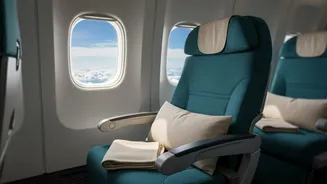
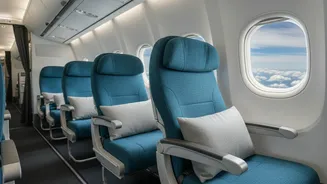
Premium Economy is a separate, dedicated cabin class that offers a significant upgrade from standard Economy without the price tag of a lie-flat Business Class seat. The core benefits are tangible: wider seats, more legroom, and a deeper recline. Unlike
Economy Plus, which is often just an Economy seat with more legroom, Premium Economy is a distinct product. This typically includes a smaller, quieter cabin, enhanced meal service often served on proper tableware, a larger entertainment screen, and an amenity kit on longer flights. Passengers also usually get perks like priority check-in and boarding, and a more generous baggage allowance.
Why You're Seeing It Everywhere
Airlines have enthusiastically embraced Premium Economy for a simple reason: it's highly profitable. It allows them to capture revenue from two key groups. First, leisure travellers who are willing to pay a bit more for comfort on a long journey, especially for special occasions. Second, business travellers whose corporate policies no longer approve Business Class fares but still require them to arrive rested. This cabin effectively bridges the gap, offering a comfortable middle ground. The proliferation is global, with carriers like Air India, Vistara, Emirates, and Singapore Airlines now offering robust Premium Economy products on many long-haul routes to and from India.
The Hardware: Not All Seats Are Equal
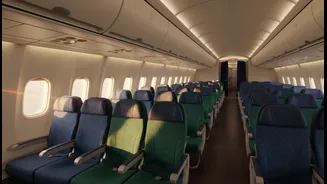
The phrase "route-specific" value often comes down to the aircraft. A true Premium Economy cabin features a different seating configuration than Economy, such as 2-3-2 or 2-4-2 on a widebody jet, compared to the tighter 3-3-3 or 3-4-3 layout in the back. This means fewer seats per row and more personal space. However, on some older aircraft or shorter routes, the product can be less impressive. Before booking, it's crucial to check the specific aircraft type and look at seat maps. A flight on a new Boeing 787 or Airbus A350 will likely have a far superior seat to one on an older plane. This 'hardware' is the single biggest factor in the quality of the experience.
A Four-Point Value Check
So, when should you pay the premium? The price can be anywhere from 30% to over 100% more than an Economy ticket. Use this checklist to decide: 1. Flight Duration: On flights under four hours, it's hard to justify the cost. But for long-haul and ultra-long-haul routes, like those from India to the US or Europe, the extra space and comfort can dramatically improve your journey and reduce fatigue. 2. The Price Gap: Is the upgrade a small, tempting surcharge or double the price? If it's a modest increase, it's often a great deal. If it's approaching the cost of a business class sale fare, it might be worth waiting. 3. Your Needs: If you are tall, need to work on a laptop, or simply value personal space, the benefits are more concrete. If you can sleep anywhere, the extra cost may not be worth it for you. 4. Purpose of Travel: Flying for a key business meeting where you need to be fresh on arrival? Premium Economy is a sound investment. Flying for a long family holiday? The cost for multiple tickets might be better spent at your destination.