
The Science of a Healthier Crunch
An air fryer is essentially a compact convection oven that circulates super-heated air around your food at high speed. This process, known as the Maillard reaction, is what creates that desirable golden-brown, crispy exterior. Unlike deep-frying, which
involves submerging food entirely in hot oil, air frying requires just a light brush or spray of oil to achieve a similar effect. This method drastically reduces the amount of oil needed, which in turn can lower the overall fat and calorie content of the final dish. By using hot air instead of hot oil, you get the crunch without the grease, making it a popular choice for health-conscious food lovers.
Decoding the '80% Less Oil' Claim
Many air fryer brands claim their appliances can cut fat by 75% or even 80%. This figure generally refers to the reduction in added oil compared to traditional deep-frying. A recipe for deep-fried pakoras might call for a kadai full of oil, whereas an air-fried version may only need a single tablespoon to lightly coat the snacks. While the food itself doesn't absorb all the oil in a deep fryer, the difference in oil usage is still substantial. So, while it may not mean the snack has 80% less total fat, it does mean you are adding significantly less oil to your food, which can contribute to a healthier diet and lower your risk of conditions associated with high fat intake.
Which Indian Snacks Work Best?
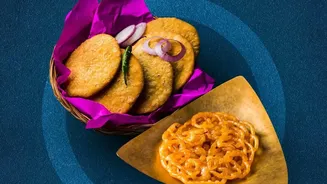
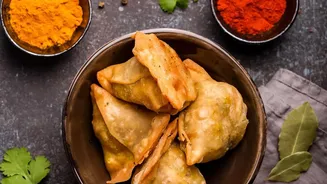
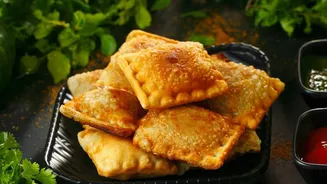
The air fryer is incredibly versatile for Indian snacks. It excels with items that are traditionally roasted, baked, or have a somewhat firm structure. Samosas, for instance, turn out wonderfully, with a crisp pastry and hot, steamy filling. Aloo tikkis develop a beautiful golden crust while remaining soft inside. Even snacks with wet batters like pakoras and vadas can be adapted; the key is to use a thicker batter and shape them into small clusters or patties before cooking. Dry snacks like roasted makhana, masala peanuts, and chickpeas are also fantastic candidates, becoming perfectly crunchy without any deep-frying.
Mastering the Taste and Texture
Let's be realistic: an air-fried samosa won't taste identical to its deep-fried counterpart, and that's okay. The texture is often described as being closer to baked than fried—crispy, but perhaps less bubbly and blistered. The flavour is still rich, but lighter without the heavy feeling that can come from deep-frying. Many find this trade-off more than acceptable for the health benefits and convenience. For snacks like pakoras, using a bit of rice flour in the besan batter can help enhance the crispiness. Ultimately, while the experience is different, it allows you to enjoy your favourite snacks more often, guilt-free.
Tips for the Perfect Air-Fried Snack
To achieve the best results, a few simple rules apply. First, always preheat your air fryer for a few minutes. Don't overcrowd the basket; arrange food in a single layer to allow hot air to circulate evenly, ensuring a crispy finish instead of a steamed one. For items like samosas or tikkis, a light brush or spray of oil is crucial for browning and crispness. Finally, remember to shake the basket or flip the snacks halfway through the cooking time. This promotes even cooking and guarantees that all sides get that delicious, golden crunch.