
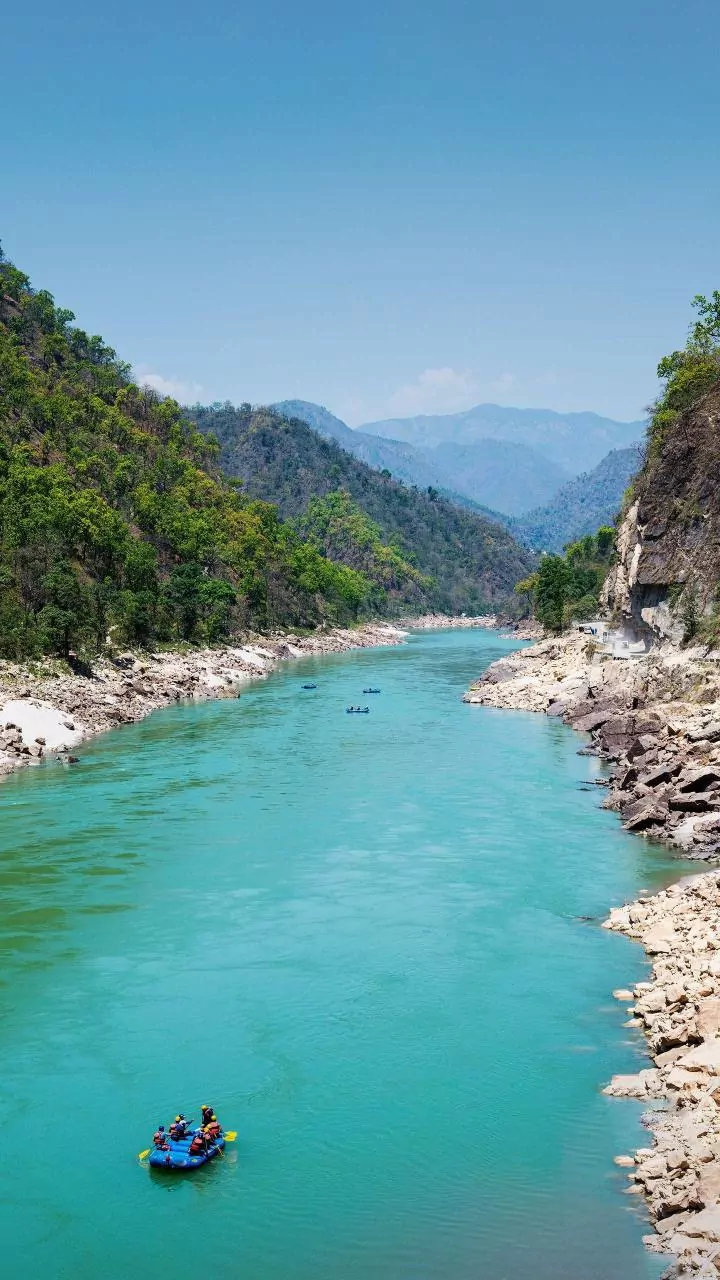


Understanding Late-Monsoon Rafting
The river rafting season in Rishikesh typically pauses from July to mid-September due to the dangerous water levels during the peak monsoon. The season officially reopens in late September, a period considered 'late-monsoon'. During this time, the river's
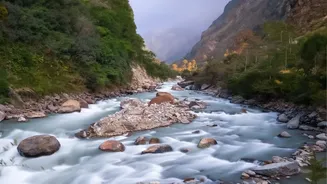
flow is still robust from the preceding rains, making the rapids feel more powerful than in the drier summer months. While this offers an exhilarating experience, it also means that safety is paramount. Water levels can be unpredictable, so it is crucial for beginners to stick to stretches with lower-grade rapids and always go with a licensed operator who adheres to the guidelines set by the Uttarakhand Tourism Development Board. The 2026 season is expected to open around September 23rd, and conditions will be closely monitored by officials.
The Ideal Beginner's Choice: Brahmapuri to Rishikesh
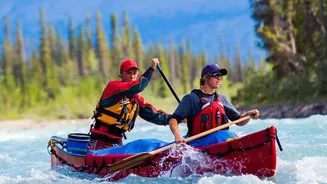
For anyone new to rafting, the Brahmapuri to Rishikesh stretch is the undisputed best choice, especially in the post-monsoon period. This 9 to 10-kilometre route is the shortest and mildest available, taking approximately 1.5 to 2 hours on the water. It primarily features Grade I and II rapids, which are gentle enough for beginners, families, and even children over 12. These rapids, with names like Sweet Sixteen, Double Trouble, and Hilton, provide a fun, splashy experience without the intimidating power of higher-grade rapids. The risk of the raft flipping is extremely low on this stretch, allowing first-timers to get comfortable with paddling and enjoy the stunning Himalayan scenery without anxiety. Many trips on this route also include an optional stop for cliff jumping in a calm section of the river, adding another layer of adventure.
A Step Up: Shivpuri to Rishikesh
The 16-kilometre stretch from Shivpuri to Rishikesh is the most popular rafting route overall, but it demands more caution for beginners during the late-monsoon season. It includes more challenging Grade II and III rapids like Roller Coaster and Golf Course. While thrilling, the higher water volume in September can make these rapids intense. Some operators suggest that adventurous first-timers can handle this stretch, but others recommend it for those with some prior experience. If you are a confident swimmer and physically fit, you might consider this option, but it's essential to have a frank discussion with your guide about the current water conditions. If the river is running high, it's wiser for a novice to stick to the Brahmapuri stretch for a safer and more enjoyable introduction to the sport.
Essential Safety: Choosing Your Operator
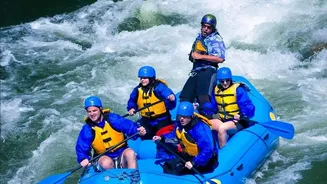
Your safety on the river depends almost entirely on the quality of your rafting operator. Always choose a company that is licensed by the Uttarakhand Tourism Department. A certified operator will provide professional guides trained in first-aid and rescue, along with high-quality, well-maintained equipment, including properly fitting life jackets and helmets. Before the trip begins, your guide should provide a thorough safety briefing, explaining paddling commands and what to do if you fall into the water. Be wary of overly cheap deals, as they often compromise on safety by overloading rafts or using inexperienced guides. Booking through a reputable hotel or a well-known adventure company is a reliable way to ensure you're in good hands.
Dressing for the Rapids
What you wear can significantly impact your comfort and safety. Avoid cotton clothing, as it becomes heavy and cold when wet. Instead, opt for quick-drying synthetic materials like polyester or nylon T-shirts and shorts. For footwear, choose sturdy sandals with a secure backstrap or water shoes. Flip-flops are not recommended as they can easily come off in the water. The water will be cool, so some operators may offer wetsuits, especially early or late in the day. Don't forget waterproof sunscreen, and if you wear glasses, secure them with a strap. Leave valuables like jewelry and non-waterproof electronics behind to ensure they are not lost to the river.