







What Is Active Recovery?
Active recovery is the practice of performing low-intensity exercise after a strenuous workout or on a designated rest day. It's the opposite of passive recovery, which involves complete rest. Think of it as a cool-down with a purpose. The goal isn't
to add more training stress but to help your body repair itself more efficiently without coming to a complete stop. This could be a light walk after a run, some gentle cycling after lifting weights, or a session of restorative yoga. The key is to keep the intensity low, typically around 30% to 60% of your maximum heart rate.
The Science of Muscle Repair
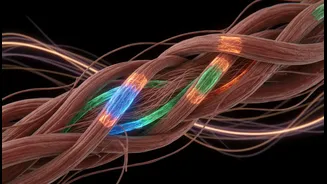
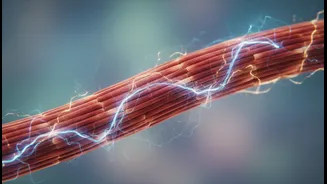
During intense exercise, whether it's lifting heavy or running far, you create microscopic tears in your muscle fibres. This is a normal part of getting stronger. This process also produces metabolic byproducts, like lactic acid. For years, lactic acid was blamed for the muscle soreness you feel a day or two later, known as Delayed Onset Muscle Soreness (DOMS). However, science now shows that lactate is cleared from the blood relatively quickly and isn't the main culprit for that next-day ache. DOMS is primarily the result of those micro-tears and the subsequent inflammation as your body works to repair them.
How Gentle Movement Accelerates Healing
This is where active recovery shines. Performing light physical activity increases blood circulation throughout the body. This enhanced blood flow acts like a delivery and waste removal service. It brings a fresh supply of oxygen and nutrients to your fatigued muscles, which are essential for repairing the micro-tears and rebuilding tissue. At the same time, it helps flush out metabolic waste products that can accumulate during intense exertion. By keeping the blood moving, you can potentially reduce the severity of DOMS, ease stiffness, and maintain your mobility, helping you feel ready for your next workout sooner.
Active Recovery After Strength Training
After a session of lifting weights, your muscles are primed for repair. Passive rest can sometimes lead to increased stiffness. Instead, consider 15 to 20 minutes of light activity. This helps promote blood flow to the specific muscles you just worked. Excellent options include light bodyweight exercises like squats and lunges with a large range of motion, walking on a treadmill, or using a stationary bike at a very low resistance. Dynamic stretching and foam rolling can also be part of an active recovery routine, as they help reduce muscle tension and improve flexibility.
Active Recovery After a Cardio Session
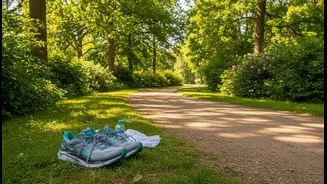
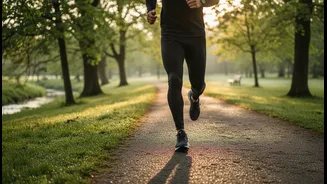
Following a long run, a hard swim, or an intense cycling class, your body has undergone significant cardiovascular stress. Abruptly stopping is not always ideal. A proper cool-down that doubles as active recovery is highly beneficial. For runners, this could mean finishing with 5 to 10 minutes of slow jogging or walking. Low-impact cross-training is another fantastic option, as it gives your primary running or cycling muscles a break while still promoting circulation. Consider activities like swimming, aqua jogging, or gentle yoga, which can reduce inflammation and improve mobility without adding extra strain.