







The Deception of Clarity
We are taught from a young age that clear water is clean water. While this is often true for visible dirt and sediment, it’s a dangerously incomplete picture. The clarity of water relates to turbidity, which is the measure of suspended particles like
silt and clay. These particles make water look cloudy or muddy. However, some of the most harmful contaminants, including pathogenic bacteria and viruses, are microscopic and invisible to the naked eye. Groundwater is often clearer than surface water precisely because the soil and rock layers act as a natural filter, trapping these larger particles. But this filtration system is not foolproof, and its effectiveness can change dramatically with the seasons.
The Problem with July Rains
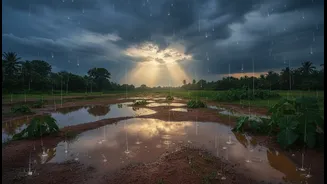
For many parts of India, July marks the peak of the monsoon season. After a long, dry spell, the parched ground is subjected to intense downpours. One might assume this massive influx of water gets slowly and evenly filtered on its way to replenish underground aquifers. The reality is far more chaotic. Heavy rainfall events can overwhelm the soil’s capacity to absorb water, leading to significant surface runoff. This runoff picks up contaminants from the land's surface, including bacteria from animal waste, leaking septic systems, and agricultural fields. Instead of being a gentle recharge, a monsoon downpour can become a high-pressure injection of surface contaminants into the ground.
Hidden Highways for Bacteria
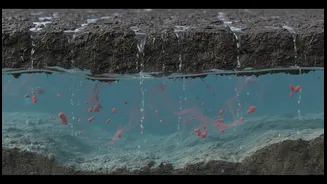
The key to understanding this phenomenon lies in the structure of the earth itself. Geologists refer to cracks, fissures in bedrock, old root channels, and animal burrows as 'preferential flow paths'. These are essentially hidden highways that allow water to bypass the slow, filtering process of seeping through soil and sand. During a heavy storm, rainwater finds these paths of least resistance and can travel from the surface to the groundwater aquifer with surprising speed. This rapid transit means the water doesn't spend enough time in contact with soil particles for natural filtration and microbial die-off to occur, effectively delivering surface bacteria directly into the water supply.
Why the Water Stays Clear
This is where the paradox comes full circle. The water travelling through these preferential flow paths is moving too quickly to pick up much of the fine sediment that would normally make it cloudy. It arrives in the aquifer looking pristine and clear, but it carries an invisible load of bacteria it collected from the surface. Studies have shown that extreme weather events like heavy precipitation are often associated with an increase of soil-associated bacteria in groundwater. So, while the water appears clean, it can contain elevated levels of harmful bacteria like E. coli, especially following major rainfall. The July timing is critical because it often represents the first heavy, sustained rains after a dry period when the ground is cracked and surface bacterial loads can be high.
Protecting Your Water Source
This seasonal risk is a major concern for the millions of people who rely on private wells for their drinking water. Unlike municipal supplies, the responsibility for testing and ensuring the safety of well water falls on the owner. Research has repeatedly shown that bacterial counts in wells can spike in warmer, wetter months. The visual clarity of the water is not a reliable indicator of its safety. Experts strongly recommend that well owners test their water for bacteriological quality annually, and particularly after periods of heavy rain or any noticeable change in taste or smell. It's crucial to ensure the area around the wellhead is properly sealed and graded to prevent surface runoff from entering directly.