
From Ritual to Global Staple
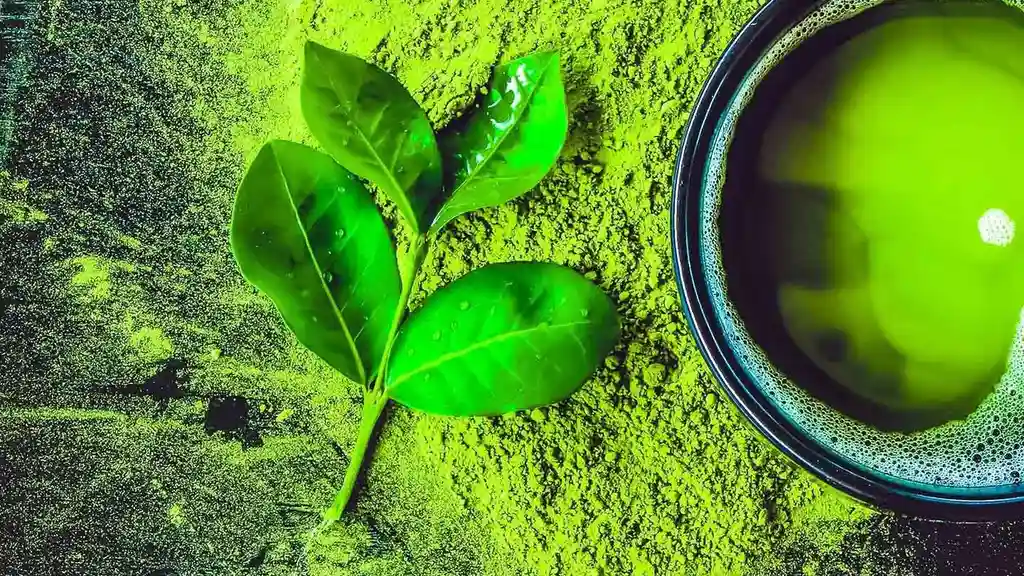
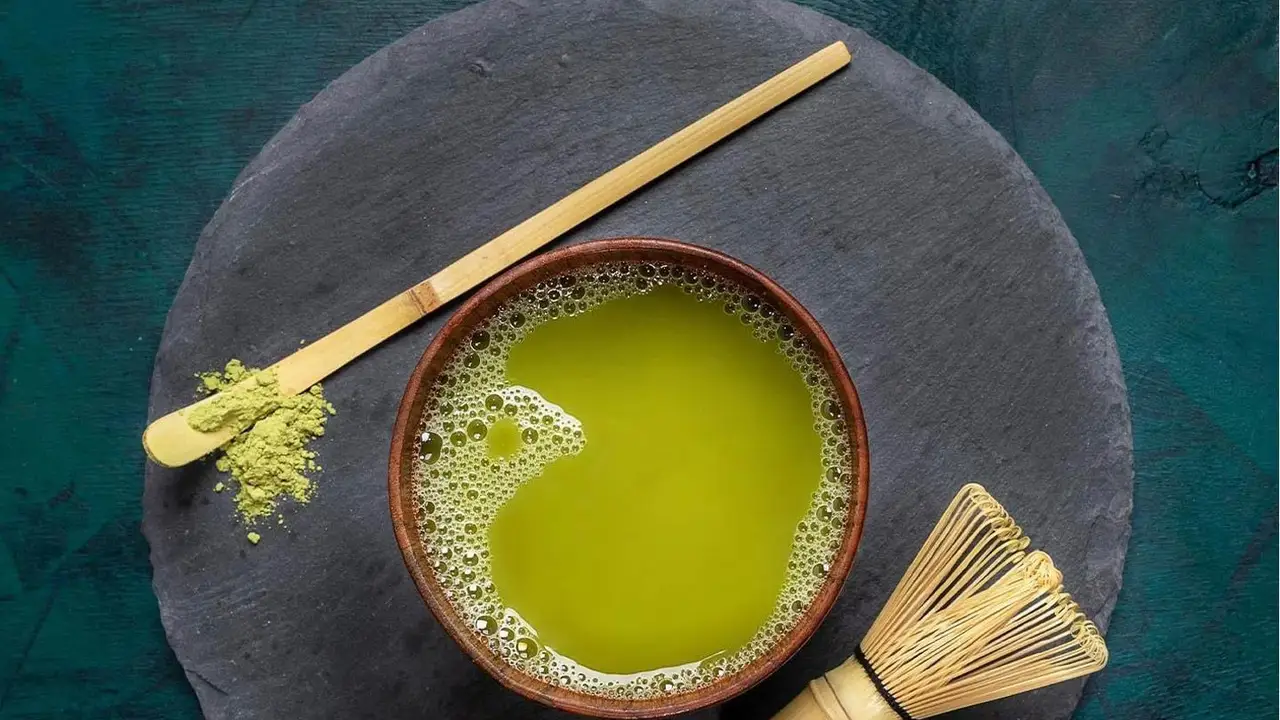
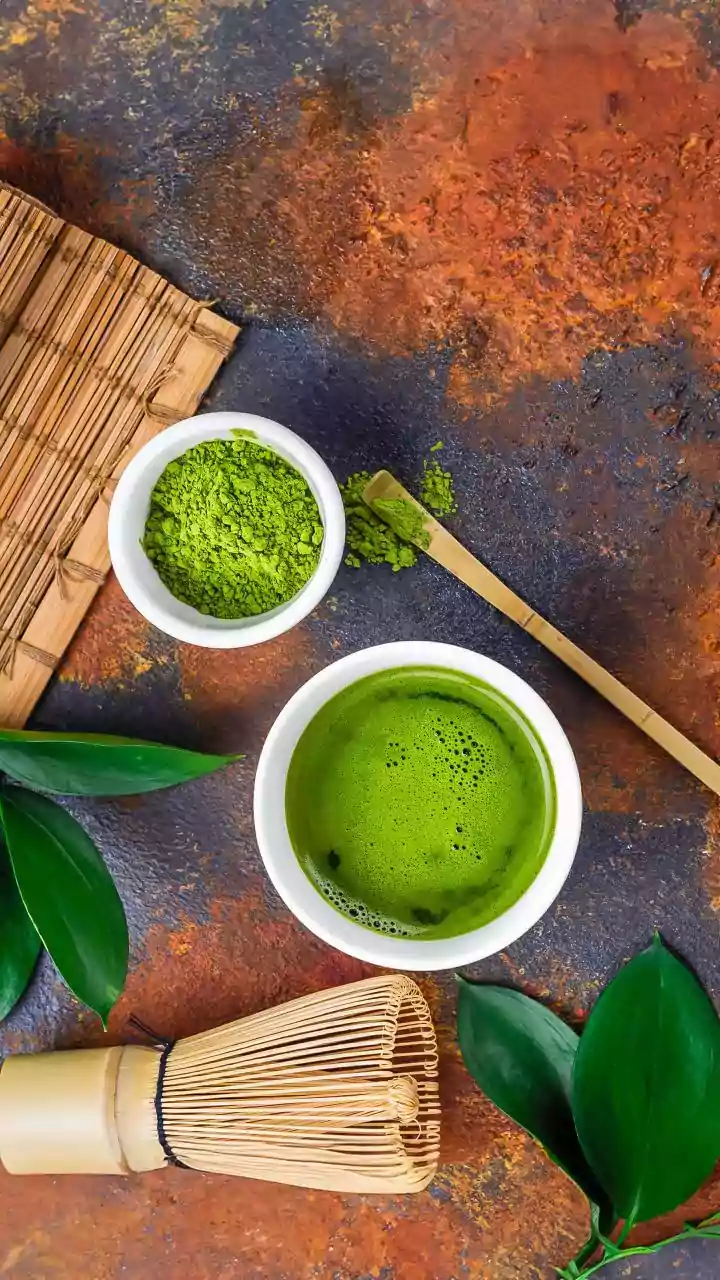
Matcha is not just any green tea. Made from shade-grown tea leaves that are finely stone-ground, its production method preserves a unique concentration of flavour and nutrients. Unlike regular tea, where you infuse and discard the leaves, with matcha
you consume the entire leaf. This delivers a potent combination of a calming compound called L-theanine and a gentle caffeine kick, providing a state of 'calm alertness' that many find preferable to the jolt of coffee. Its flavour profile is also far more complex: a sophisticated blend of vegetal, slightly bitter, and savoury 'umami' notes that give it a remarkable versatility. This complexity is what has allowed it to move beyond the teacup and into the kitchen.
The First Green Wave
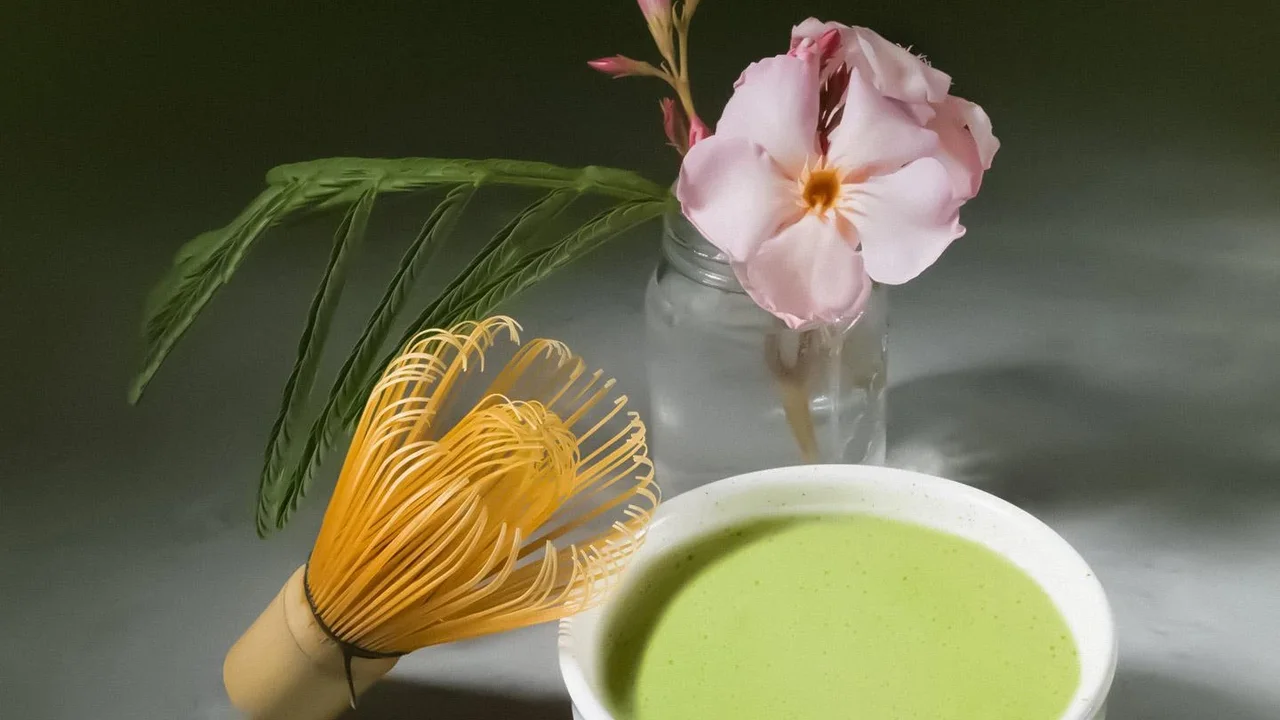
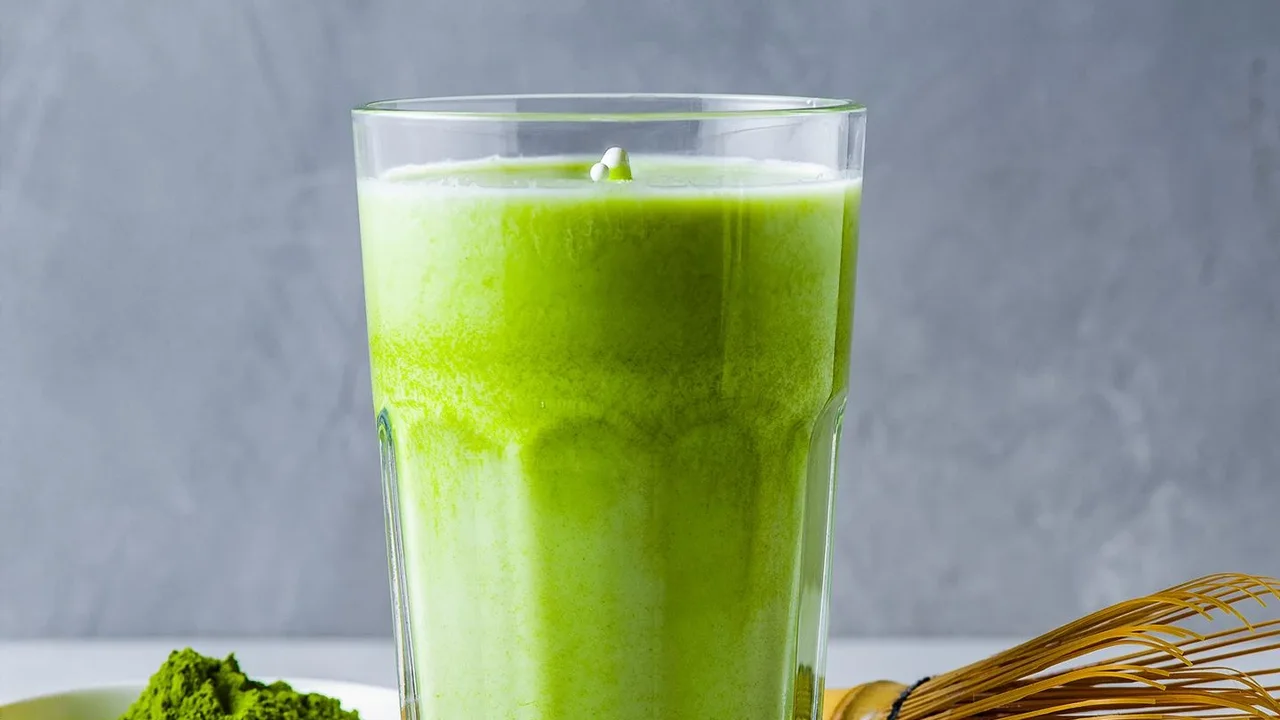
Matcha’s initial entry into the mainstream, particularly in India, was through cafes. Driven by the third-wave coffee movement, specialty shops began offering matcha as a premium, craft alternative. Its photogenic, vibrant green hue made it an instant star on social media, fuelling a craze for matcha lattes, smoothies, and simple desserts like cheesecakes and ice cream. This boom was powered almost entirely by urban millennials and Gen Z consumers, who saw the drink as a symbol of a modern, health-conscious lifestyle. Valued at over USD 41 million in India in 2024 and growing at nearly double the rate of the traditional tea market, matcha quickly established itself as more than just a passing fad.
Beyond the Latte, Into the Fire
This is where the story gets truly interesting. As consumers became accustomed to matcha's unique taste, chefs began to push its boundaries far beyond sweet applications. The powder's earthy depth proved surprisingly adaptable to savoury dishes. We now see matcha-infused pasta, marinades for grilled meats, and even matcha butter stuffed under the skin of a roast chicken. In India, the experimentation has taken on a distinct local flavour. Bengaluru cafes are serving up drinks like a matcha aam panna, where the smoky, sour notes of roasted green mango elevate the tea's umami character. Others are creating matcha French toast by soaking brioche in the tea, or even exploring controversial fusions like matcha biryani. This willingness to experiment shows that matcha is no longer just an ingredient to be added, but a flavour to be explored.
The 'Matcha Effect': Paving the Way for New Flavours
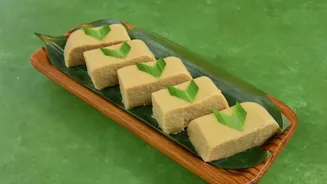
Perhaps matcha’s greatest legacy is not what it has done, but what it has enabled. Its success has trained the modern palate to be more curious and accepting of complex, culturally-rooted ingredients that aren't traditionally sweet. This has opened the door for other unique flavours to enter the mainstream. The most prominent successor is ube, a purple yam from the Philippines. Like matcha, ube has a striking colour, a unique flavour profile (nutty and vanilla-like), and a strong cultural backstory. It is now appearing in lattes, desserts, and pastries, following the exact playbook that matcha wrote. The rise of ingredients like hojicha (a roasted green tea) and pandan also points to this growing appetite for culinary diversity, proving that consumers are ready for more than just vanilla and chocolate.