





An Unprecedented Solar Surge
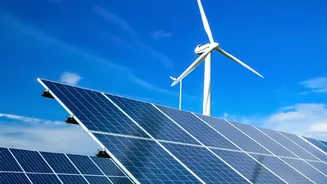
Over the last decade, India has witnessed one of the world's fastest expansions in solar power. Driven by ambitious government targets and falling costs, the country has scaled its installed solar capacity at a breakneck pace, growing nearly 20 times
since 2015. This boom has been led by a few states blessed with abundant sunshine and vast, arid lands ideal for sprawling solar parks. States like Rajasthan and Gujarat have become renewable energy powerhouses, together accounting for nearly half of India's solar capacity. Gigantic projects, such as the Bhadla Solar Park in Rajasthan, are among the largest in the world, symbolizing the nation's commitment to a green future. This success has helped India achieve a major milestone: non-fossil fuel sources now make up a significant portion of the country's total installed electricity capacity.
The Problem of Concentration
The very factors that make states like Rajasthan ideal for solar generation—intense sun and sparsely populated land—are also the source of a new, complex problem. The vast majority of India's solar capacity is concentrated in a handful of regions, while the major centres of electricity demand—sprawling cities and industrial hubs—are often hundreds of kilometres away. This geographical mismatch is at the heart of the issue. The national power grid was historically designed to carry electricity from a few large, centralized fossil fuel plants to various consumption points. It was not built to handle massive, fluctuating influxes of solar power from remote, resource-rich areas and transport it across long distances to where it's most needed.
A Grid Under Pressure
This mismatch between where power is generated and where it is consumed puts immense strain on the existing transmission infrastructure. Building solar farms is now significantly faster than building the high-voltage power lines required to carry their electricity. As a result, the transmission network is lagging behind renewable energy capacity additions, creating bottlenecks. When solar generation peaks in the afternoon, the 'pipes' to evacuate that power become congested. The problem is made worse by the inflexible nature of older coal-fired power plants, which cannot be quickly ramped down to make room for the surge of cheap solar power without incurring high costs or operational issues. This creates a situation where the grid simply cannot absorb all the clean energy being produced.
Curtailment: The Consequence of Success
When the grid cannot handle the amount of electricity being generated, operators are forced to resort to a practice known as 'curtailment'. This means they instruct solar (and sometimes wind) power plants to deliberately reduce their output or shut down completely, even during peak sunny hours. In states like Rajasthan, some solar plants have been ordered to cut generation by as much as 80%. This isn't just a technical issue; it's a significant economic waste. Clean, zero-fuel-cost electricity is being thrown away, while developers who invested in these projects lose revenue because they are only paid for the power they successfully feed into the grid. The situation is severe, with recent estimates suggesting that a significant portion of newly commissioned renewable capacity faces some level of curtailment.
The Path to a Smarter Grid
Solving this problem is the next critical phase of India's energy transition. The solutions are complex but clear. A primary focus is on accelerating the build-out of transmission infrastructure, particularly through initiatives like the Green Energy Corridors project, designed specifically to connect renewable-rich regions to the national grid. Another key solution is investing heavily in energy storage. Large-scale battery systems can absorb surplus solar power during the day and release it during the evening peak demand, smoothing out the fluctuations and making renewable energy available 24/7. Finally, promoting more decentralised generation, like rooftop solar on homes and businesses in urban areas, can help generate power closer to where it's consumed, reducing the strain on long-distance transmission lines.