







Mistake 1: Not Verifying the Recipient’s Name
You’re rushing to pay a friend for your share of lunch or buying a second-hand book from a senior. You type in their UPI ID or phone number quickly, hit send, and move on. The problem? A single-digit error or a typo in the UPI ID can send your money to a complete
stranger, and getting it back is incredibly difficult. [9, 16] All UPI apps show the legal name of the account holder after you enter the UPI ID and before you enter your PIN. [28] Rushing past this verification step is one of the most common ways people lose money. **How to Avoid It:** Always pause and check the recipient's name that appears on the screen before you proceed to the PIN page. [8, 28] Make sure the name matches the person you intend to pay. This two-second check can save you from a major financial headache.
Mistake 2: Falling for 'Request Money' Scams
A popular scam involves fraudsters sending you a “Request Money” notification instead of sending you money. This often happens when you're selling something online, like a study lamp or a cycle. The 'buyer' will say they've sent the money and ask you to approve the notification and enter your PIN to receive it. Remember the golden rule of UPI: you NEVER need to enter your PIN to receive money. [8, 13] Entering your PIN always means you are sending money out of your account. [26] Scammers rely on this confusion to trick you into authorising a payment to them. [29] **How to Avoid It:** Be extremely suspicious of any 'request' notification when you are supposed to be receiving payment. [13] Decline any unsolicited payment requests. Always remember that scanning a QR code or entering your PIN is for paying, not for getting paid. [8, 26]
Mistake 3: Sharing Your UPI PIN or Responding to Phishing
Your UPI PIN is the key to your bank account. No one—not your bank, not a UPI app representative, and certainly not a random caller claiming to be from customer support—will ever ask for it. [18, 30] Scammers often create a sense of urgency, sending messages about an account being blocked or an urgent KYC update needed, trying to scare you into clicking a malicious link or calling a fake helpline. [26] These fake websites and apps are designed to steal your PIN and other sensitive information. [25] **How to Avoid It:** Treat your UPI PIN like any other password and never share it. [30] Do not download unknown apps or click on suspicious links sent via SMS or WhatsApp. [12, 13] If you have an issue, use the official customer support number found inside your UPI app, not from a web search. [18]
Mistake 4: Using Unsecured Public Wi-Fi for Transactions
The free Wi-Fi at a local café or even on some parts of campus might seem convenient, but it's often not secure. Hackers can position themselves on these open networks to intercept the data you send, which could include your financial details. While UPI apps have multiple layers of security, conducting transactions on an unsecured network adds an unnecessary layer of risk. [4, 30] **How to Avoid It:** Whenever possible, use your own mobile data for financial transactions. [4] It provides a much more secure connection than an open, public Wi-Fi network. If you must use public Wi-Fi, consider using a VPN to encrypt your connection, but sticking to your mobile data is the safest and simplest option. [30]
Mistake 5: Using Spoofing Apps to Make Fake Payments
A worrying trend has emerged where some students use fraudulent apps that create a fake “payment successful” screen. [14] This is done to trick canteen owners or small shopkeepers into believing a payment has been made when it hasn't. Not only is this illegal and can lead to serious consequences, including police action, but it also erodes the trust that makes the UPI ecosystem work for everyone. These actions are not a harmless prank; they are fraud. **How to Avoid It:** On the flip side, if you are a student running a small business or collecting payments for a college event, be aware of this scam. Don't just trust the screen shown to you. Always confirm that the money has been credited to your account by checking your SMS alerts, bank app notifications, or using a soundbox that announces payments. [14]
Mistake 6: Not Tracking Your Small Expenses
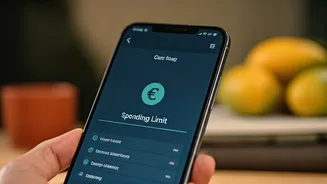
The ease of UPI can sometimes be a double-edged sword. A ₹20 chai here, a ₹100 snack there—these small, effortless payments can add up significantly without you noticing. [9, 17] This is often called the 'bottomless wallet' effect. Because the money leaves your account instantly and frictionlessly, it’s easy to lose track of your spending and wonder where your allowance or part-time income went at the end of the month. [9] **How to Avoid It:** Make it a habit to regularly review your UPI transaction history. [6] Most apps provide a detailed statement. [9] Seeing a clear list of your expenditures can help you understand your spending habits, create a budget, and make more conscious decisions about where your money is going.