




The King of Fruits
The Alphonso mango, known affectionately as ‘Hapus’, is more than just a fruit; it's a cultural icon. Its journey began in the 16th century, a product of Portuguese grafting techniques introduced by viceroy Afonso de Albuquerque, after whom it is named.
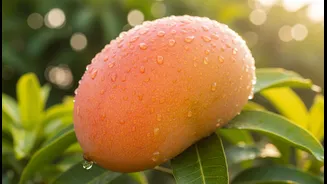
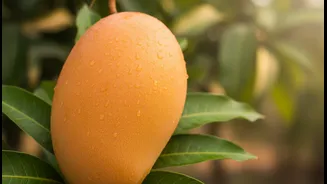
While born in Goa, it was in the laterite soil of Maharashtra's Konkan coast, particularly in Ratnagiri and Devgad, that the Alphonso found its true home, developing its signature saffron-gold hue, intoxicating aroma, and buttery, fibreless flesh. This unique profile has earned it a Geographical Indication (GI) tag, protecting its heritage and ensuring that only mangoes from this specific region can bear the name. Its flavour is a complex blend of sweetness with a subtle tang, making it the undisputed king of mangoes and a prized export enjoyed globally.
Why Simplicity Is Perfection
When you have an ingredient as sublime as a perfectly ripe Alphonso, the goal is to elevate, not overwhelm. Many desserts can mask the nuances of their star components with excessive sugar or complicated additions. But the beauty of the Alphonso lies in its profound natural sweetness and creamy texture. A simple, three-ingredient recipe doesn't just make for an easy afternoon in the kitchen; it's a conscious choice to let the mango's pure, unadulterated flavour take centre stage. This sorbet is the closest you can get to bottling the essence of a perfect summer day. By stripping away the unnecessary, you are left with nothing but the pure, intense, and aromatic soul of the fruit.
The Recipe for Sunshine
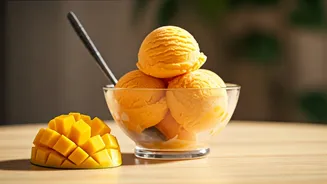
This vegan sorbet relies on just three core components to achieve its creamy, flavourful perfection. First, the star: about three cups of ripe Alphonso mango chunks, frozen until solid. Freezing the mango is the key to creating a creamy texture without an ice cream machine. Second, a tablespoon of acid, like fresh lime or lemon juice. This doesn't make the sorbet sour; it brightens and balances the mango's intense sweetness, making the flavour pop. The third ingredient is an optional sweetener, about one or two tablespoons of agave syrup or raw honey, depending on the sweetness of your mangoes. A truly ripe Alphonso may not need any extra sugar at all.
Crafting the Sorbet
The process is wonderfully straightforward. If using fresh mangoes, peel and cube them, then spread them on a tray and freeze for at least four hours until completely solid. Once frozen, place the hard mango chunks into a high-speed blender or food processor. Add the lime juice and your chosen sweetener. Now, blend. Be patient here; the mixture will first look crumbly, then grainy. You will need to stop the machine periodically to scrape down the sides. After a few minutes of blending, a magical transformation occurs: the mixture will suddenly become smooth, thick, and creamy, resembling a luxurious soft-serve. You can enjoy it immediately for this soft, velvety texture. For a firmer, more scoopable sorbet, transfer the mixture to a freezer-safe container, press a piece of parchment paper on the surface to prevent ice crystals, and freeze for another two to three hours.
Tips for Sorbet Success
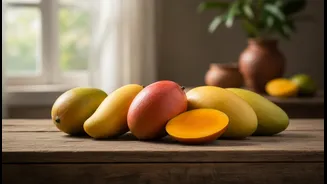
Choosing the right mango is the most crucial step. A perfect Alphonso will have a saffron-golden hue, sometimes with a green tinge near the stem, and should feel heavy for its size. The most reliable indicator, however, is the aroma; a ripe Alphonso should fill the room with its sweet fragrance without you needing to bring it close to your nose. It should yield slightly to gentle pressure. When making the sorbet, taste the mango first to decide how much, if any, sweetener you need. For the creamiest result, ensure your mango chunks are frozen completely solid. If your sorbet freezes too hard, simply let it sit at room temperature for about ten minutes before scooping.