



The End of the Travel Checklist
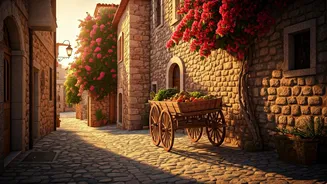
For decades, the mark of a “successful” vacation was a ticked-off checklist. The Eiffel Tower, the Colosseum, the Taj Mahal—all dutifully visited, photographed, and posted. This style of “checklist tourism” prioritised seeing as much as possible, often
leaving travellers exhausted rather than rejuvenated. [16] It was a race against time, collecting destinations like stamps in a passport. But a profound shift is underway. Travellers are increasingly rebelling against this performative approach, seeking something deeper than a photo opportunity. [13] The post-pandemic world, in particular, has prompted a collective re-evaluation of what makes for a truly meaningful break, leading many to question if the frantic pace of sightseeing is worth the time and expense.
Enter the Passion Trip
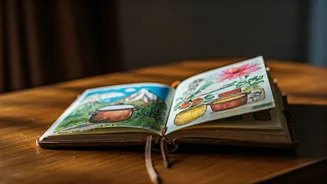
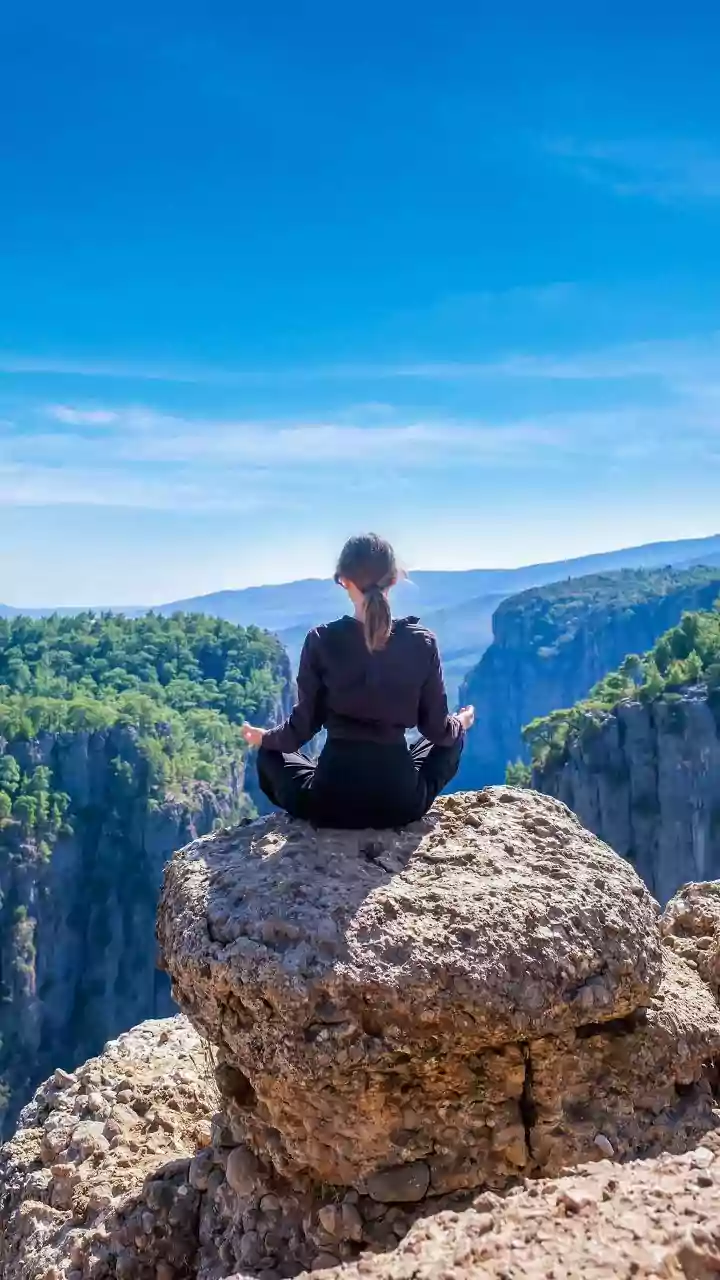
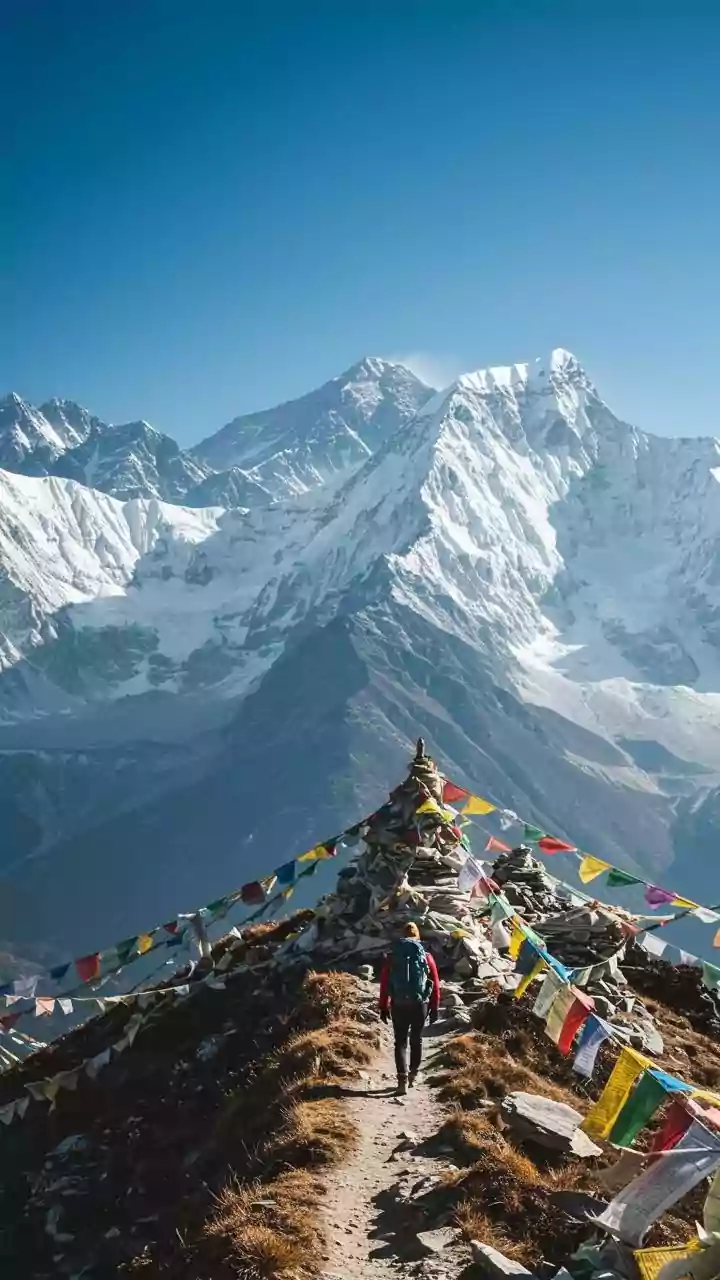
In place of the hurried itinerary, the “passion trip” or “whycation” has emerged. [11] This is travel where the destination is chosen not for its fame, but for how it aligns with a personal interest, hobby, or goal. The planning process is flipped on its head: the experience comes first, and the location follows. [4, 13] This could mean a foodie pilgrimage to learn pasta-making in a specific Italian village, a yoga enthusiast joining a wellness retreat in the Himalayas, a cinephile visiting filming locations in London, or an avid runner planning a vacation around the Berlin Marathon. [5, 12] A recent Allianz Partners report highlighted this, showing that 74% of Indian travellers are now keen to pursue a hobby or sport during their holidays, signalling a massive move toward purpose-driven journeys. [6]
A Deeper Search for Meaning
So, why the sudden change of heart? This trend is driven by a powerful desire for authenticity, personal growth, and genuine connection. [9, 19] Younger generations like Millennials and Gen Z are leading the charge, viewing travel as a core part of their identity and self-expression rather than mere escapism. [9] Instead of just seeing the world, they want to engage with it, learn from it, and return home feeling changed, not just rested. [11] This mindset is also a reaction to over-tourism at popular hotspots and the curated, often misleading, perfection of social media. The new currency of travel is not about showing where you are, but sharing what you are learning and experiencing on a deeper level.
The Indian Traveller's New Compass
This global trend resonates strongly in India, where travellers are actively seeking “soulful escapes that promise meaning over material.” [7] Reports for 2026 show a significant uptick in Indians planning trips around spiritual pursuits, wellness goals, and cultural events. [2, 3] The idea is no longer to just visit a hill station, but to go there for a specific meditation course; not just to see a coastal city, but to attend a seafood festival or learn from local artisans. It reflects a move towards slower, more immersive experiences that allow for a real connection with a place and its culture, moving beyond the superficial to the substantial.
How to Plan Your Own Passion Trip
Ready to trade your checklist for a sense of purpose? Planning a passion trip is easier than it sounds. Start by looking inward. What do you love doing on a weekend? What skill have you always wanted to learn? Let your hobbies—be it photography, history, hiking, or baking—be your guide. Search for specialised workshops, expert-led tours, or festivals that cater to your interest. [10] Instead of trying to see three countries in ten days, consider a “slow travel” approach: stay longer in one place to truly soak in the culture. [16] The goal is to return with more than just souvenirs—a new skill, a fresh perspective, and memories rooted in genuine engagement.