






Why Purity Assurance Matters
For generations, the value of gold has been a constant in Indian households. It represents prosperity, security, and a legacy passed down through families. However, the process of buying it has often relied on trust between the customer and the jeweller.
Concerns about under-karatage—where jewellery is sold as having higher purity than it actually does—have always been a risk for buyers. This is where the Bureau of Indian Standards (BIS) hallmarking scheme becomes crucial. Hallmarking is an official certification of the purity of the precious metal, guaranteeing that the gold content meets specified standards. It provides a third-party assurance that you are getting exactly what you paid for, protecting your investment. Before the latest system, however, even these marks could sometimes be duplicated.
Understanding the Modern Hallmark
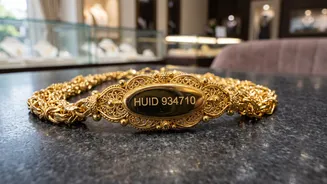
To combat fraud and increase transparency, BIS made hallmarking mandatory and introduced a new system. Since July 2021, every new piece of hallmarked jewellery must carry three specific marks. The first is the triangular BIS logo, indicating it has been certified by the national standards body. The second is the purity grade, which shows the gold's purity in karats and fineness (e.g., '22K916' for 22-karat gold, which is 91.6% pure). The third and most significant addition is the Hallmark Unique Identification (HUID) number. This is a six-character alphanumeric code that is unique to each individual piece of jewellery. Think of it as a fingerprint for your ornament; no two pieces can have the same HUID. This code is the key to unlocking a new level of consumer empowerment.
Your Verification Tool: The BIS Care App
The BIS Care app, available for free on both Android and iOS, is the official mobile application from the Bureau of Indian Standards. While it has several functions related to product standards, its most powerful feature for jewellery buyers is 'Verify HUID'. This tool directly connects to the central BIS database, allowing you to instantly check the details of the jewellery piece you are about to buy. By simply entering the six-digit HUID code found on the item, you can pull up the official record associated with it, ensuring the information provided by the jeweller matches the certified data held by BIS. The app is available in multiple languages, including English and Hindi, making it accessible to a wide range of consumers.
How to Verify Jewellery in 4 Simple Steps
Using the app at the jeweller's counter is a quick and straightforward process that should become a habit for every buyer. 1. Download and Register: Install the official 'BIS Care' app from the Google Play Store or Apple App Store. You will need to complete a simple registration with your name and mobile number. 2. Locate the HUID: Ask the jeweller for a magnifying glass (loupe) to find the tiny, laser-engraved marks on the jewellery. You are looking for the BIS logo, the purity grade, and the six-character HUID. 3. Use the 'Verify HUID' Feature: Open the app and select the 'Verify HUID' option on the home screen. Carefully type in the alphanumeric code exactly as it appears on the item. 4. Compare the Details: The app will display the details from the BIS database. This includes the purity, the type of article (e.g., ring, chain), the name of the registered jeweller who submitted it for hallmarking, and the Assaying and Hallmarking Centre that tested it. Cross-check this information with the jewellery in your hand and the details on the bill.
What to Do If Details Don't Match
If the app returns a 'record not found' message or if the details shown do not match the item, it is a significant red flag. First, double-check that you entered the code correctly. If it still doesn't match, you should not proceed with the purchase. A discrepancy could mean the hallmark is not genuine. The BIS Care app has a dedicated 'Complaints' section where you can report such issues directly to the authorities. You can file a complaint against sub-standard quality, misuse of marks, or mismatched HUID details by providing the jeweller's information and uploading photos of the item and the bill. This empowers you to not only protect yourself but also help maintain the integrity of the system.