


Delhi's Automated Arteries
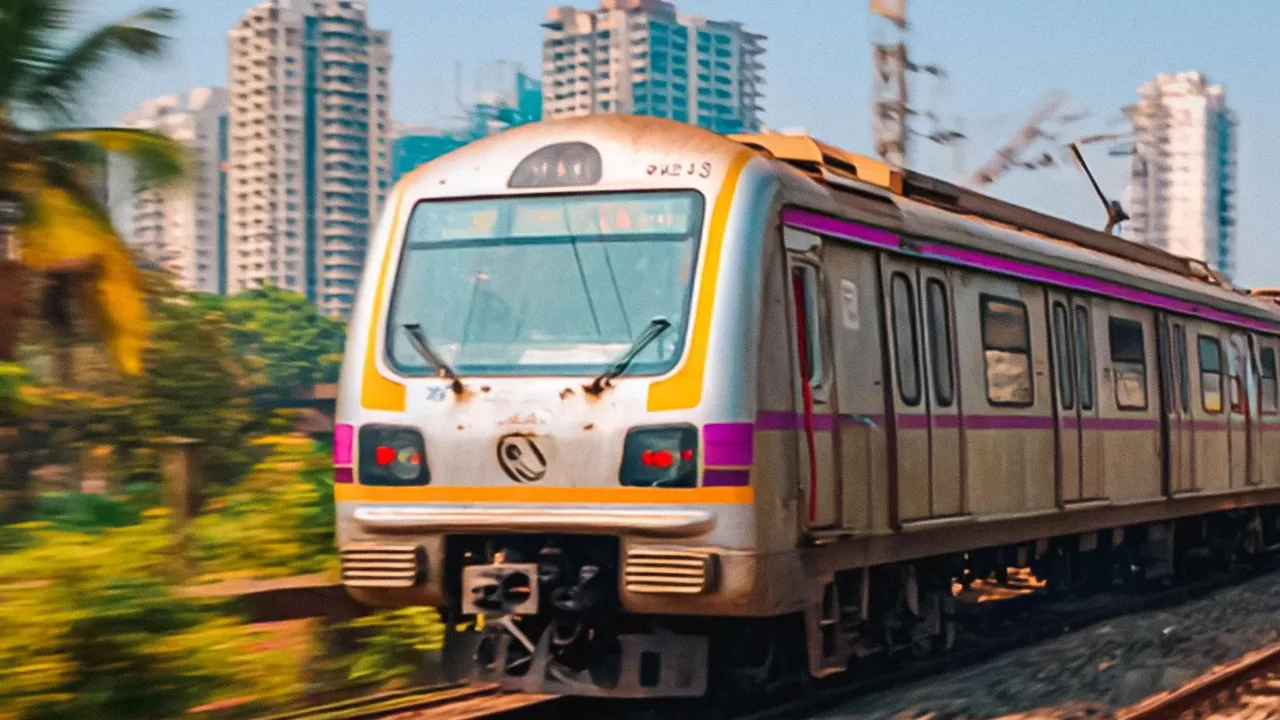
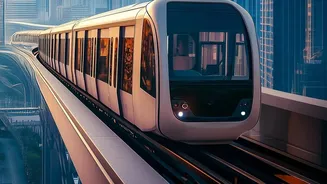
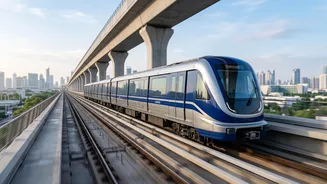
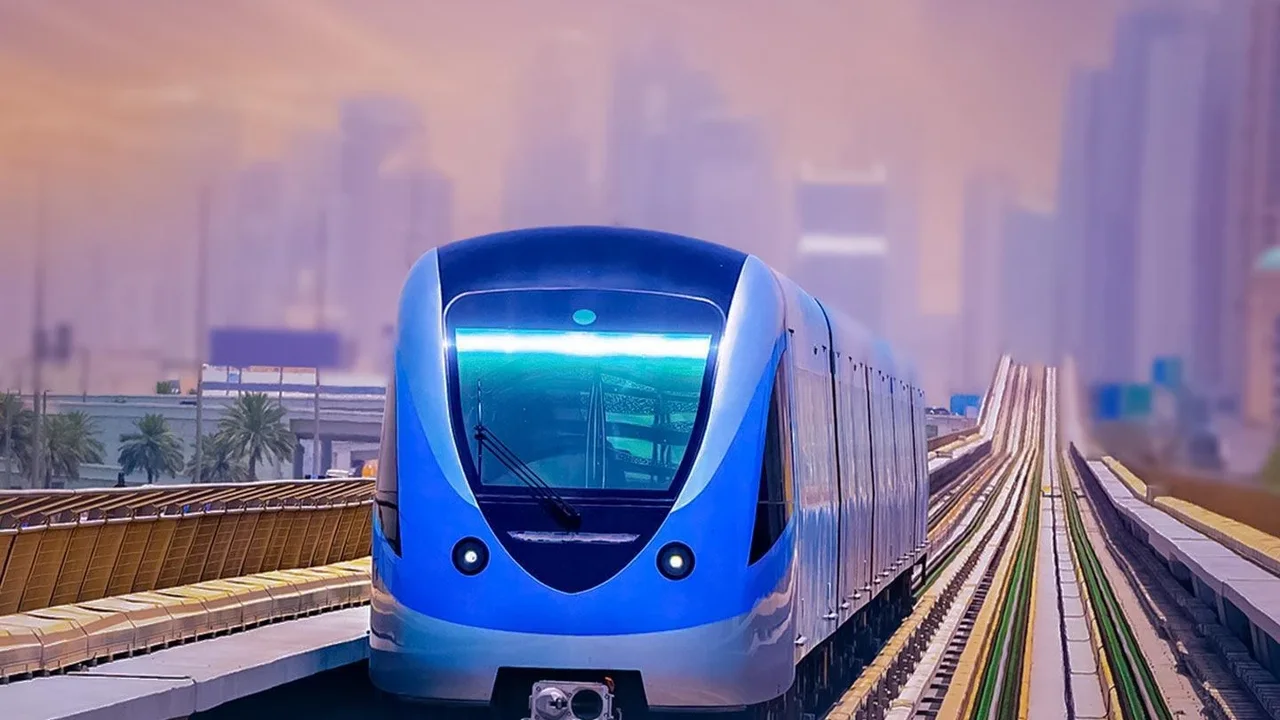
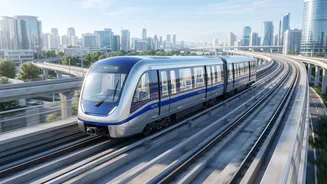
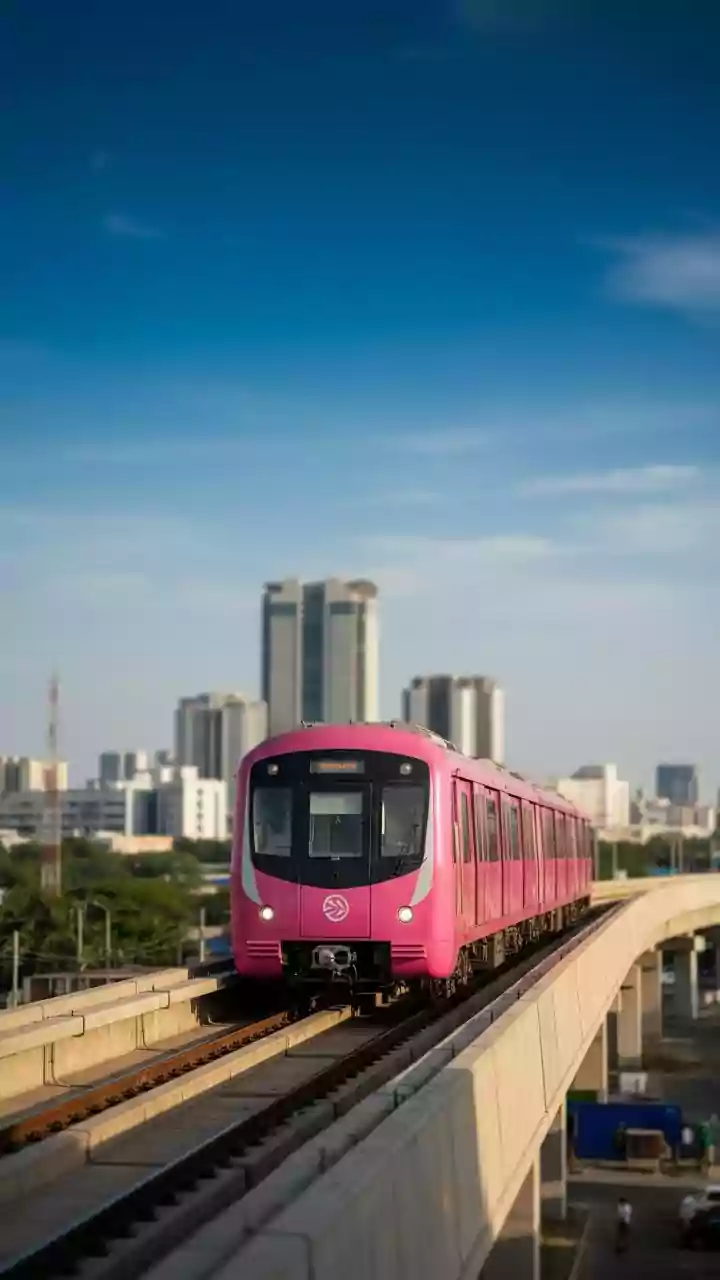
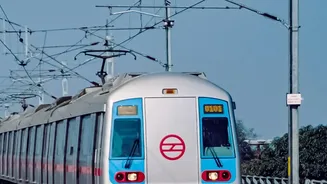
On November 2, 2026, during the pre-Diwali rush, one in every five passengers on the Delhi Metro travelled on a train with no driver. These 1.6 million commuters were carried along the Magenta and Pink lines, the two corridors where the Delhi Metro Rail
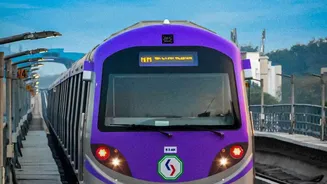
Corporation (DMRC) runs its Unattended Train Operation (UTO) system. First launched in December 2020, this driverless network now spans 120 kilometres, accounting for nearly 30% of Delhi's massive metro web. With plans to expand the UTO network to almost 200 kilometres, Delhi has proven that large-scale automated transit is not just a futuristic concept but a present-day reality for a bustling megacity. The benefits are clear: DMRC officials highlight increased operational flexibility, a reduction in human error, and improved availability of coaches for service.
The Promise of Going Driverless
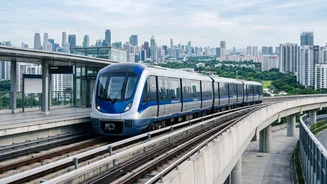
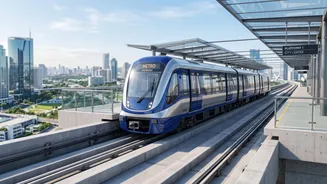
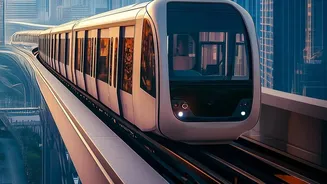
Driverless metro technology, technically known as Grade of Automation 4 (GoA4), relies on advanced Communication-Based Train Control (CBTC) systems. These systems allow trains to operate automatically, managing speed, braking, and door operations without a driver in a cab. This automation promises higher frequency, as trains can run closer together safely, and enhanced energy efficiency. Proponents, like DMRC's Managing Director Vikas Kumar, argue that the exhaustive self-tests conducted by the trains before service eliminate many potential human errors and boost overall system reliability. For passengers, this can mean shorter waiting times and more predictable journeys. The technology also frees up the physical space once occupied by a driver's cabin, potentially increasing passenger capacity.
A Nationwide Reality Check
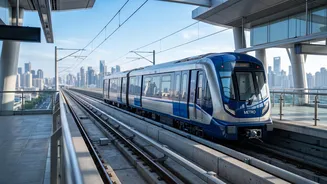
Despite Delhi's success, a nationwide driverless rollout remains unconfirmed. Metro services are now operational in 26 Indian cities, including major hubs like Mumbai, Bengaluru, Kolkata, and Chennai, but most still run on conventional, driver-operated systems. While new projects in cities like Mumbai, Bengaluru, and Chennai are incorporating driverless technology for upcoming lines, there is no unified national mandate pushing for its adoption. This cautious approach stems from a complex mix of financial, logistical, and political considerations that each city's metro authority must weigh independently. The result is a patchwork of progress rather than a coordinated, nationwide leap into the future of transit.
The Hurdles on the Track
Several significant obstacles explain the slow pace of adoption. The most cited reason is the high upfront capital cost. Implementing driverless technology, with its sophisticated signalling and control systems, is more expensive than building conventional lines. Critics, including former railway general manager Sudhanshu Mani, argue that India must conduct its own cost-benefit analysis rather than blindly following global trends, especially given the country's lower staffing costs compared to the developed world. Another major concern is employment. The spectre of automation making train operators redundant is a sensitive issue. Although DMRC states it has successfully redeployed all its affected operators into other roles like station management and crowd control, the fear of job losses remains a powerful political and social barrier. Finally, there is the challenge of standardisation and integration. Retrofitting older metro lines for driverless operation is technically complex and expensive, while a lack of a definitive national template means each new project has to reinvent the wheel to some extent.
The Road Ahead for Indian Metros
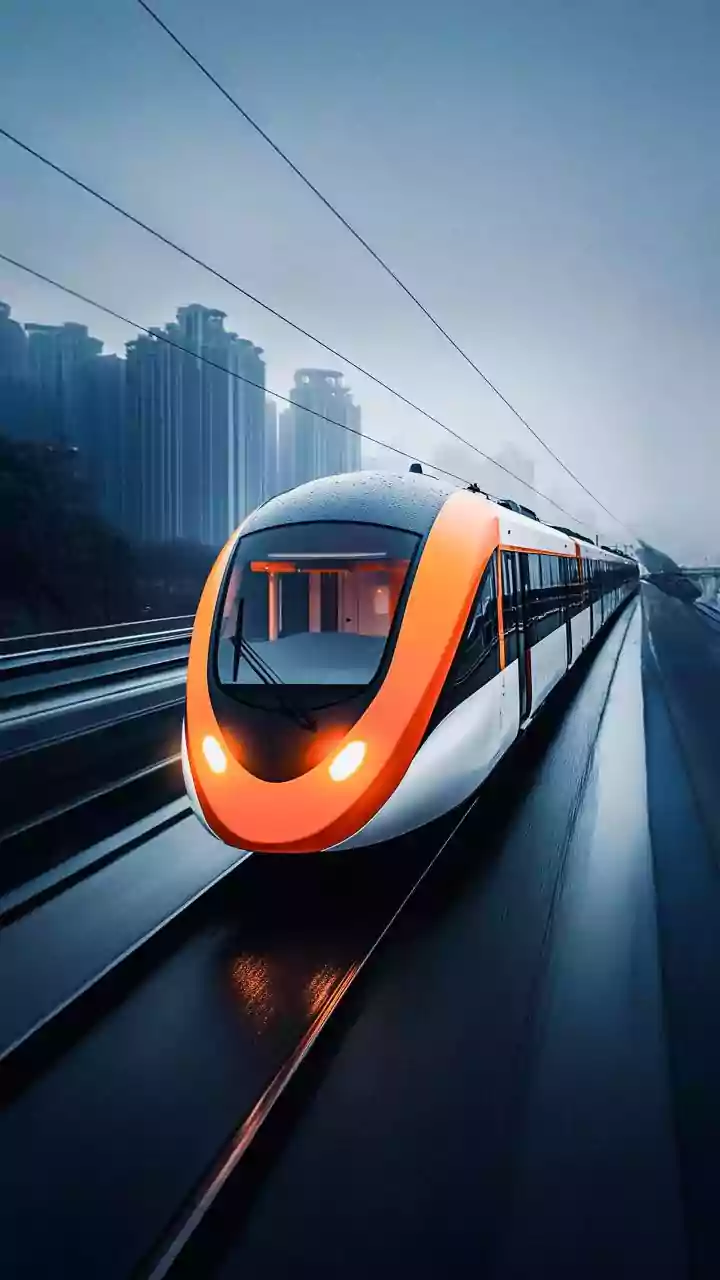
The future of urban mobility in India is likely to be a hybrid one. While Delhi's driverless lines have set a powerful precedent, other solutions are also being explored. For cities with lower ridership, the government has promoted more affordable options like 'MetroLite' and 'Metro Neo', which are being built at a fraction of the cost of a full-fledged metro system. The conversation is broadening from just metros to an integrated, multi-modal system that includes everything from feeder buses to smart, app-based services. The success in Delhi changes the question from 'if' driverless technology works in India to 'where' and 'when' it makes the most sense. For other cities, the answer will depend on their unique financial realities, political will, and the readiness of their existing infrastructure to embrace a fully automated future.