



The Science of the Lean
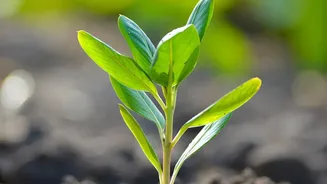
Have you ever noticed your plant bending gracefully, almost leaning, toward the nearest window? This isn't just a quirky habit; it's a survival instinct called phototropism. Plants are hardwired to seek out light, their primary source of energy for photosynthesis.
A plant hormone called auxin drives this process. When light comes from one direction, auxin concentrates on the shaded side of the stem, causing the cells there to grow longer. This uneven growth makes the plant bend towards the light. While this is a smart survival tactic, it can lead to lopsided, weak, and unattractive growth if left unmanaged. Regular rotation counteracts this by exposing all sides of the plant to the light source over time, encouraging it to grow straight, strong, and symmetrical.
Reading the Signs of Low Light
Besides an obvious lean, plants have several ways of telling you they're starved for light. One of the most common signs is 'legginess,' or etiolation, where stems become long and stretched with large gaps between the leaves. This is the plant physically reaching for a better light source. You might also notice that new leaves are smaller and paler than older ones. For variegated plants, like a Marble Queen Pothos, a lack of light can cause them to lose their beautiful patterns and revert to solid green as the plant produces more chlorophyll to compensate. In some cases, a plant might stop growing altogether during the spring and summer months, or lower leaves may turn yellow and drop off as the plant sacrifices them to conserve energy. If the soil stays damp for a long time after watering, it's another hidden sign that the plant isn't getting enough light to power its metabolism.
How to Rotate Like a Pro
Rotating your plants is a simple task that pays huge dividends. The most common recommendation is to give your plant a quarter turn every week or two. An even easier method is to tie it to your watering schedule; each time you water, give the pot a 90-degree turn. This consistent, gentle rotation ensures that every part of the foliage gets its share of sunlight over the course of a month, promoting balanced growth. For plants in lower light, more frequent rotation (every few weeks) is beneficial, while those in bright spots might only need it every couple of months. This is also the perfect opportunity to inspect your plant for pests, dust on the leaves, or any signs of distress. However, be mindful not to over-rotate, as constant changes can sometimes stress a plant. Also, once flowering plants like orchids have set buds, it's best to stop rotating them, as a change in orientation can sometimes cause the buds to drop.
Best Bets for Dimmer Spots
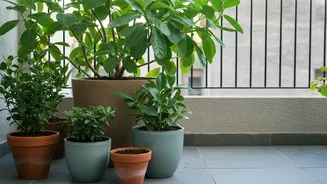
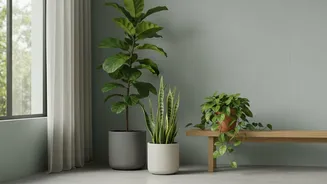
While rotation helps, choosing the right plant for a low-light corner is half the battle. Many apartments in Indian cities have limited natural light, but several hardy plants are perfectly suited for these conditions. The Snake Plant (Sansevieria) is nearly indestructible and is famous for its air-purifying qualities and tolerance for low light and infrequent watering. Another excellent choice is the ZZ Plant (Zamioculcas zamiifolia), known for its glossy, dark leaves and ability to thrive on neglect. The common Money Plant (Pothos) is a versatile favourite that trails beautifully from shelves and adapts well to dimmer areas. Peace Lilies not only tolerate low light but can also produce their signature white blooms in such conditions. These plants are low-maintenance champions, making it easy to bring green life into even the most light-challenged spaces in your home.