


Choose Hardy Vegetables
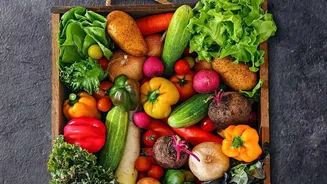
Your best friends this season are vegetables that are naturally resilient. Think gourds and root vegetables. Produce like lauki (bottle gourd), turai (ridge gourd), pumpkin, and bitter gourd (karela) have thicker skins and lower water content, making
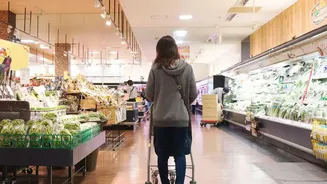
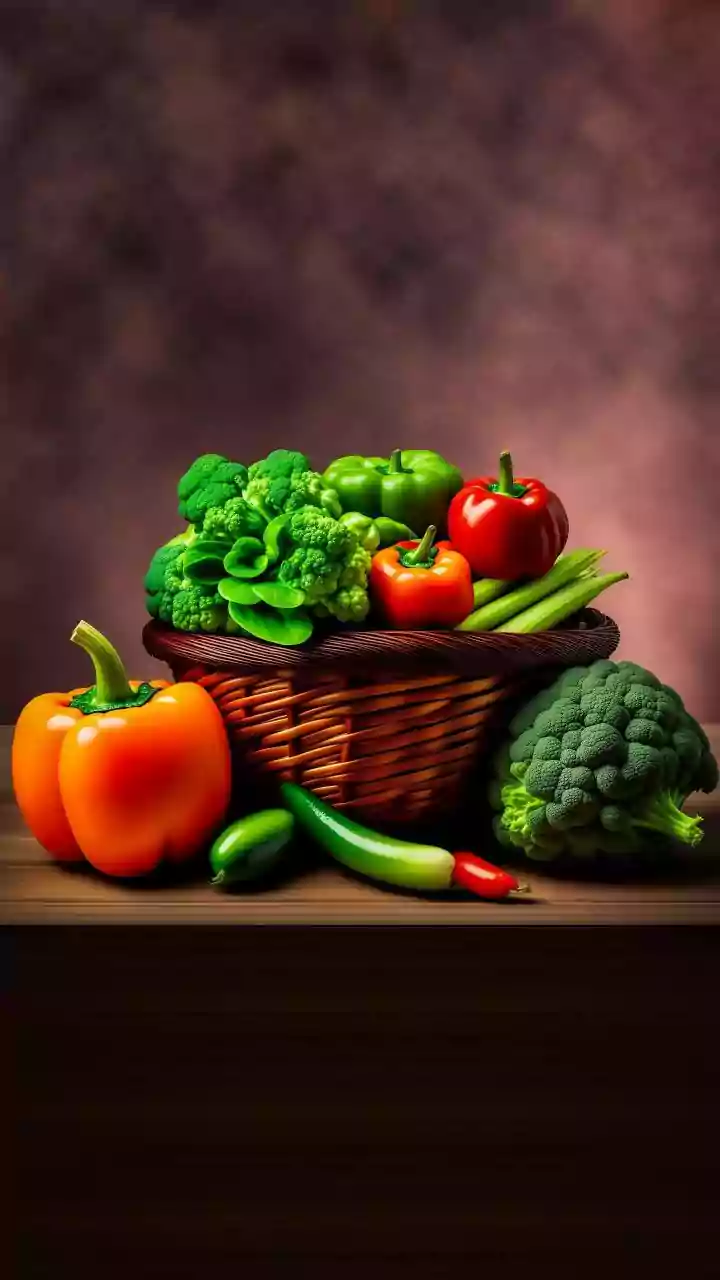
them less susceptible to quick decay. These vegetables are not only monsoon-friendly but also light on the stomach and easy to digest, which is an added bonus during a season known for sluggish digestion. When shopping, look for firm vegetables with unblemished skin. Avoid anything that looks bruised, soft, or has signs of mould. Hardier choices mean less food waste and more value from each grocery run.
Handle Leafy Greens with Care
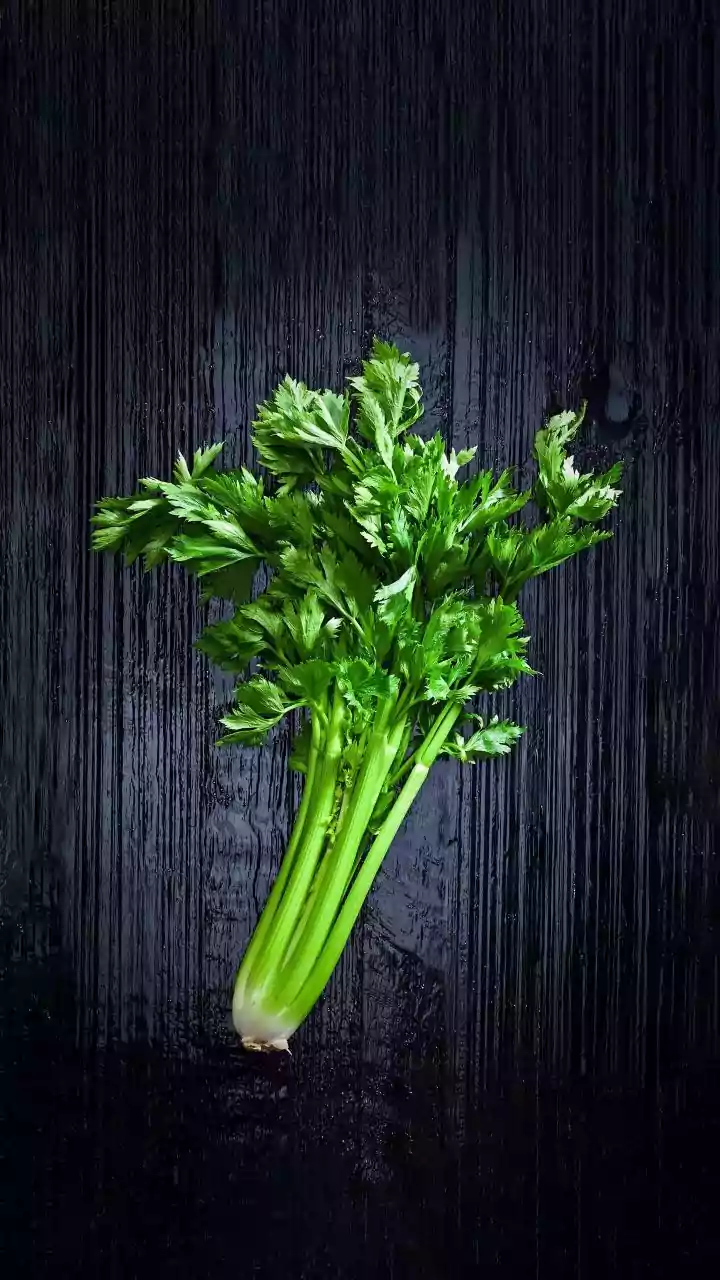
Leafy greens like spinach (palak), fenugreek (methi), and coriander are tricky during the monsoon. They grow close to the ground and the excess moisture makes them prone to dirt, grit, and faster spoilage. It's best to buy these in smaller quantities that you plan to use within a day or two. Before storing, do not wash them. Washing adds moisture, which is the enemy. Instead, inspect the bunch, discard any slimy or yellowed leaves, and then wrap them loosely in a paper towel or a cotton cloth to absorb excess humidity. Store this wrapped bundle in a perforated or ventilated bag in the crisper drawer of your fridge. This allows air to circulate while the paper absorbs the damaging moisture.
The Root of the Matter: Storing Staples
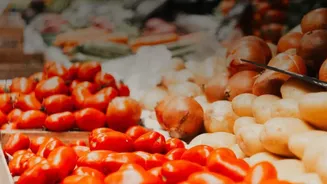
Kitchen staples like potatoes, onions, and garlic require special attention in the humid climate. Never store them in the refrigerator, as the cold can negatively affect their flavour and texture. These items need a cool, dark, and dry place with good air circulation. Storing them in a plastic bag is a mistake, as it traps moisture and encourages sprouting and rotting. Instead, use a mesh bag, a bamboo basket, or even a paper bag. It is also crucial to store potatoes and onions separately. Onions release ethylene gas, which can cause potatoes to sprout prematurely. Keeping them apart in well-ventilated containers will significantly extend their shelf life through the rainy weeks.
Smart Fruit Selection
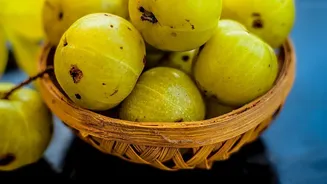
Just like vegetables, some fruits fare better than others in the monsoon. Opt for fruits with thick, protective peels. Apples, pomegranates, pears, and litchis are excellent choices. Jamun, a seasonal monsoon fruit, is also a great option. Fruits with high water content, like watermelon, or those with porous skins, like strawberries and other berries, are highly susceptible to spoilage and mould. If you buy these, purchase whole fruits rather than pre-cut ones and consume them the same day. Bananas, while generally safe, also ripen and ferment much faster in the humidity, so buy them when they are firm and slightly green, and consume them quickly.
The Golden Rules of Storage
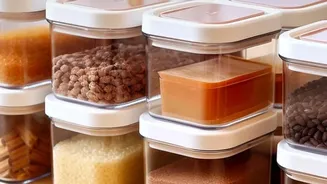
A few universal rules can make all the difference. First, unpack your vegetables from the plastic bags you brought them home in as soon as possible. These bags are for transport, not storage; they trap moisture and accelerate spoilage. Second, ensure all produce is completely dry before it goes into the refrigerator. Moisture is the primary cause of bacterial and fungal growth. Use a clean towel to pat everything dry. Third, separate fruits and vegetables. Many fruits produce ethylene gas, a ripening agent that can cause nearby vegetables to spoil faster. Using your fridge's crisper drawers correctly—one for high-humidity items like leafy greens and another for low-humidity items—can also help manage moisture levels effectively.