



The Great Escape From Searing Plains
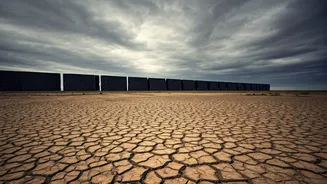
The primary driver for this tourism boom is the punishing heatwave gripping large parts of North India. With temperatures soaring and cities turning into heat islands, hill stations like Shimla, Manali, Mussoorie, and Nainital have become accessible sanctuaries.
Reports indicate a massive surge in visitors from states like Delhi, Haryana, Punjab, and Uttar Pradesh, all seeking respite from the extreme weather. This isn't just a planned holiday; for many, it's a desperate escape. Hospitality chain Zostel reported a staggering 76% year-on-year surge in bookings for Shimla in June, with destinations like Srinagar and Tirthan Valley seeing nearly 95% growth in footfall. Hotel occupancy across popular towns is hovering between 70% to 90%, confirming the sheer scale of this seasonal migration.
The Monsoon's Poetic Pull
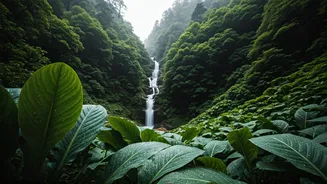
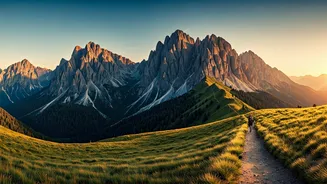
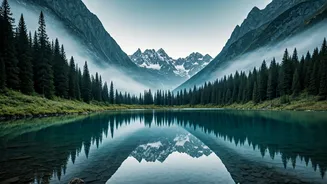
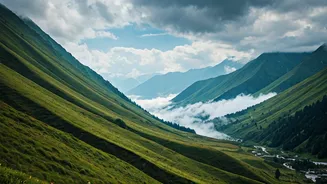
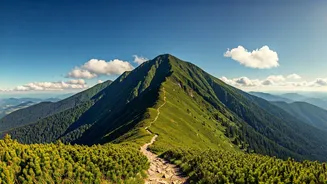
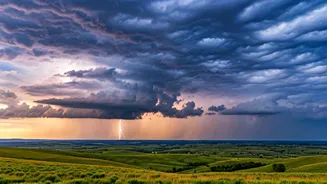
Beyond the cool temperatures, it’s the unique charm of the monsoon in the mountains that captivates travellers. The headline’s “misty peaks” are a very real and powerful attraction. The arrival of early monsoon showers transforms the landscape into a lush, green paradise. Valleys become shrouded in mist, waterfalls roar back to life, and the scent of rain on pine needles creates an atmospheric experience that feels worlds away from the hot, dusty plains. This sensory escape is a key part of the appeal. Travel experts note that for many, the monsoon is no longer an obstacle but an experience in itself, offering a different, more tranquil character to familiar destinations. The entire experience, from a cup of tea by a window watching the rain to walks through cloud-covered forests, is a significant draw.
Social Media and Spontaneous Travel
The trend is being amplified by the visual nature of social media, where photos and videos of mist-covered hills and rain-soaked landscapes are creating a powerful desire to travel. The aesthetic is highly shareable, inspiring others to seek out these same experiences. Furthermore, there's a growing trend towards spontaneous travel. Nearly half of all bookings for some mountain getaways are now being made within three days of the departure date. This indicates that people are making last-minute decisions, likely prompted by weather forecasts and an urgent need to escape the heat. This immediacy is changing travel patterns, moving away from long-planned vacations towards short, impulsive breaks to the hills.
A Boon With a Burden
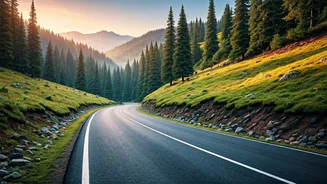
While the influx of tourists is a significant economic boost for local businesses, hotels, and transport operators who have been eagerly awaiting a strong season, it also comes with considerable challenges. The sudden surge has led to massive traffic congestion on key routes, such as the Mandi-Kullu-Manali highway, with vehicles queuing for hours. Popular tourist spots are overcrowded, putting immense pressure on local infrastructure, including water supply, waste management, and limited parking facilities. Authorities are deploying additional personnel to manage the chaos, but the situation highlights a long-standing debate about the carrying capacity of these fragile mountain ecosystems. The challenge is to balance the economic benefits of tourism with the urgent need for sustainable practices to preserve the very beauty that draws visitors in the first place.