



The Science of Flavour
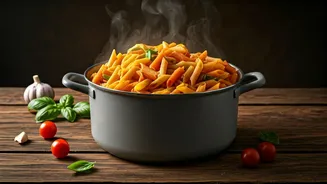
The genius of one-pot pasta lies in what you don’t do: drain the water. Instead of boiling pasta separately and pouring that cloudy water down the sink, this method cooks everything together in a precise amount of liquid. As the pasta cooks, it releases
starches. This starchy water doesn't get discarded; it becomes the base of your sauce, emulsifying with the other ingredients to create a creamy, flavourful coating that clings perfectly to every noodle. This technique ensures that none of the flavour from your aromatics, vegetables, or stock is lost. The pasta absorbs this seasoned liquid from the very beginning, resulting in a dish where the pasta and sauce are truly one.
More Than a Shortcut
While the minimal cleanup is a significant draw, framing one-pot pasta as merely a “lazy” method misses the point. It is a distinct culinary technique that creates a uniquely integrated dish. Popularised by Martha Stewart after one of her developers learned it in Puglia, Italy, the method is about flavour infusion. By cooking the pasta directly in its sauce, every element melds together. The aromatics perfume the noodles, the vegetables release their essence into the cooking liquid, and the starch from the pasta thickens the sauce naturally, without needing a lot of extra cream or butter. It’s a smart, efficient way to build a cohesive and deeply flavourful meal from scratch.
Keys to One-Pot Success
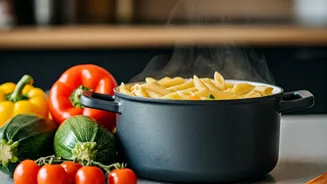
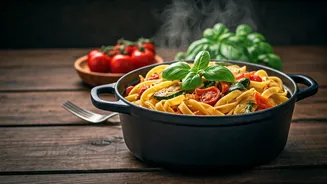
While the concept is simple, a few key details separate a perfect pot from a sticky or soupy mess. First, use the right pan—a wide, shallow skillet or Dutch oven is ideal because it allows the pasta to lie flat and cook evenly. Second, the liquid-to-pasta ratio is crucial. A good starting point is around 4-5 cups of liquid for about 350 grams of pasta, but it's wise to start with a little less and add more if needed. Third, constant stirring is non-negotiable, especially as the liquid begins to reduce, to prevent the pasta from sticking. Finally, consider the timing of your ingredients. Add meats first to brown them, followed by hardy aromatics like onions. More delicate ingredients, like spinach or fresh herbs, should be stirred in at the very end to prevent them from overcooking.
Avoiding Common Pitfalls
The most common issue with one-pot pasta is texture. If the pasta turns out mushy, the heat was likely too low, causing it to steam rather than simmer, or there was too much water to begin with. If the sauce is too watery at the end, don't keep cooking the pasta. Simply remove the pot from the heat and let it sit for a few minutes; the pasta will continue to absorb the remaining liquid as it rests. Not all pasta shapes are created equal for this method. Long, thin pastas like spaghetti or linguine work wonderfully, as do smaller shapes like penne or fusilli that have ridges to catch the sauce. Thicker pastas may require more liquid and longer cooking times, making the balance trickier to achieve.
Your One-Pot Starter Template
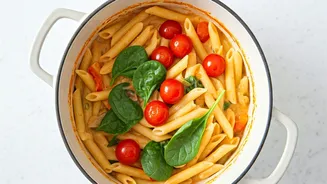
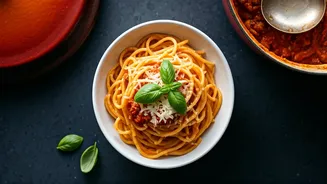
Ready to try? You don't need a rigid recipe. Think of it as a flexible formula. Start by sautéing your protein (like sausage or chicken) and aromatics (garlic, onions) in oil. Add your dry pasta, a liquid of choice (stock is more flavourful than water), and seasonings. Bring to a boil, then reduce to a strong simmer, stirring frequently until the pasta is al dente and has absorbed most of the liquid, typically 10-15 minutes. In the last few minutes, add quick-cooking vegetables like cherry tomatoes or peas. Finish off the heat with a touch of cream or a generous grating of Parmesan cheese to complete the sauce. Garnish with fresh herbs and enjoy your masterpiece.