






The New Space Capital
Once known for its historic landmarks and IT prowess, Hyderabad is now making a serious claim as India's 'Space City'. A potent combination of a robust aerospace and defence manufacturing ecosystem, government support, and a cluster of ambitious startups
has created fertile ground for a commercial space revolution. Companies are not just building components; they are designing, manufacturing, and launching entire space missions from the city, covering everything from rockets to satellites. This full-stack capability is transforming Hyderabad into a one-stop-shop for clients looking to get into orbit, marking a significant shift in India's space journey.
Skyroot Aerospace: The Orbital Pioneer
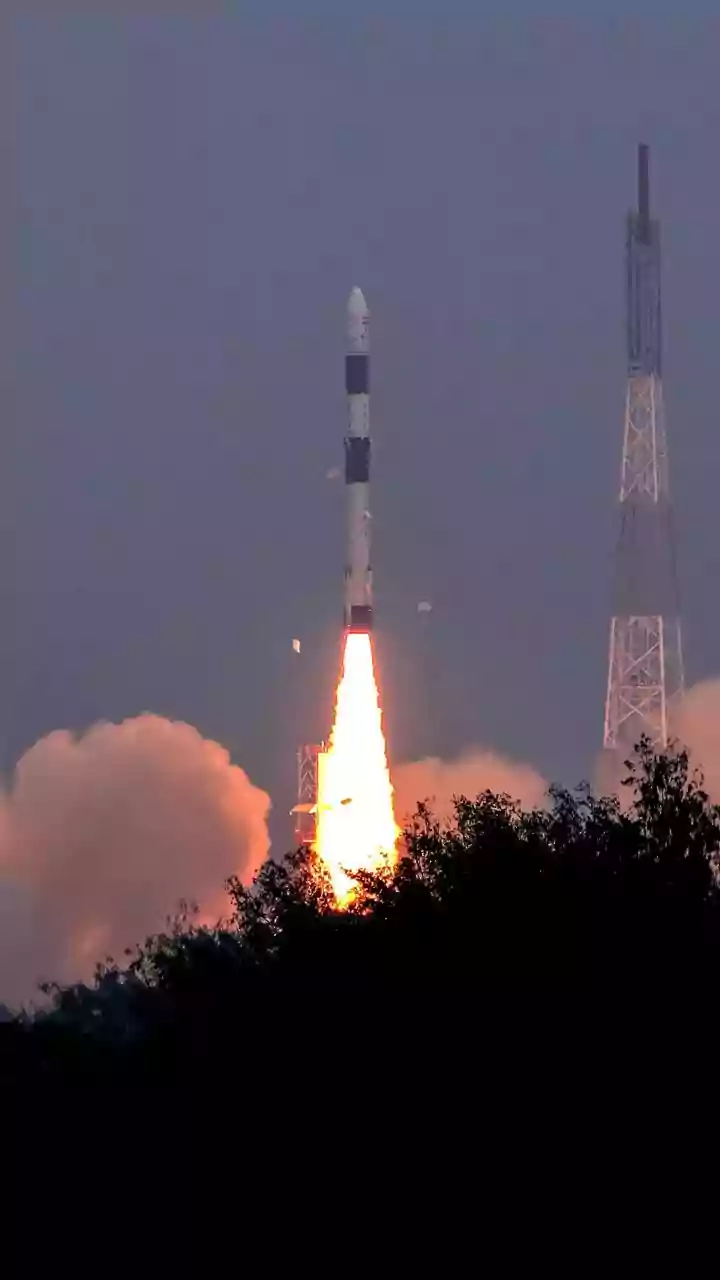
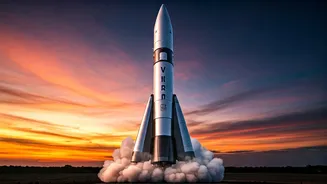
Leading the charge is Skyroot Aerospace, a company founded by former ISRO scientists. The startup made history in November 2022 with the launch of Vikram-S, India's first-ever privately built rocket. Now, it's taking a giant leap forward. Skyroot has announced that the maiden launch of its orbital-class rocket, the Vikram-1, is scheduled between July 12 and August 4, 2026. This mission, named 'Aagaman' (Arrival), is a pivotal moment; a successful flight will make Skyroot the first Indian private company to place satellites in orbit. The seven-storey-tall rocket is designed to carry payloads up to 350 kg into Low Earth Orbit and is built with advanced techniques like 3D-printed engines and all-carbon composite structures.
Dhruva Space: The Satellite Specialist
While Skyroot focuses on launch vehicles, Dhruva Space has carved out a crucial niche in full-stack space engineering, particularly satellites and deployment systems. Founded in 2012, Dhruva provides everything from satellite design and manufacturing to launch services and ground station support. The company has successfully tested its satellite orbital deployer on an ISRO PSLV mission and launched its own Thybolt satellites. It is currently constructing a massive 280,000 sq ft facility in Hyderabad for the design, integration, and testing of spacecraft, solidifying its position as a key player in the ecosystem. This specialisation makes it a collaborator as much as a competitor, building the vital hardware that rockets like Vikram-1 will carry.
The Government's Tailwind
This private-sector boom didn't happen in a vacuum. The 'serious' nature of this race is largely thanks to a major policy shift from the Indian government. The establishment of the Indian National Space Promotion and Authorisation Centre (IN-SPACe) in 2020 was a game-changer. IN-SPACe acts as a single-window agency to authorise and support private companies, allowing them access to ISRO's world-class facilities and expertise. This, combined with policies allowing 100% FDI in satellite manufacturing, has sent a clear signal to entrepreneurs and investors that India is open for space business. This regulatory support has de-risked the sector and provided the momentum for companies to move from prototypes to commercial operations.
A Growing Ecosystem
Beyond the two front-runners, a deeper ecosystem is flourishing. Incubators like T-Hub are actively fostering the next generation of space-tech startups, hosting events to connect founders with investors. Companies like TakeMe2Space are working on futuristic concepts like in-orbit data centres. This network of suppliers, innovators, and financiers is critical. It shows that Hyderabad's success is not just about a couple of star companies, but the creation of a sustainable, multi-layered industry. This depth is what makes the city's role in India's space ambitions truly serious and long-lasting.