





The Relentless Threat of a Vanishing Coast
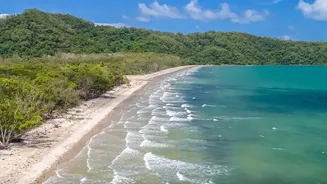
For countless villages along the Bay of Bengal, from the Sundarbans in West Bengal to the coastal plains of Odisha, shoreline erosion is not an abstract concept. It is the loss of farmland to salinity, the destruction of homes during cyclones, and the steady
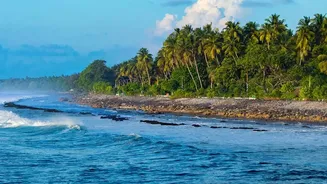
disappearance of the land that has supported families for generations. Powerful storms like Cyclone Yaas in 2021 washed seawater deep inland, leaving agricultural fields barren and accelerating the erosion that makes livelihoods increasingly uncertain. This relentless advance of the sea, driven by rising sea levels and intensified by frequent cyclones, threatens millions of people and delicate ecosystems. Without intervention, entire communities face displacement, and vital economic activities like fishing and farming are put at risk.
Nature’s Own Coastal Engineers
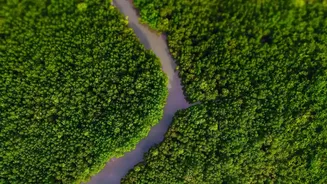
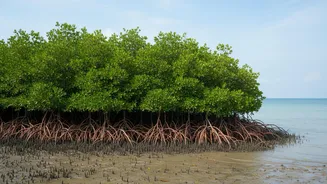
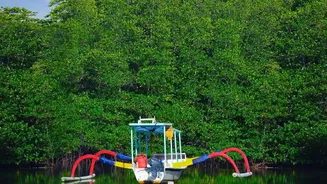
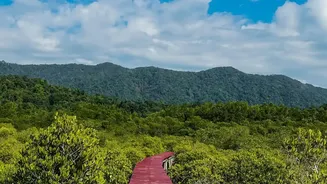
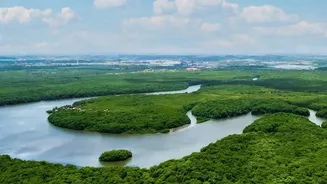
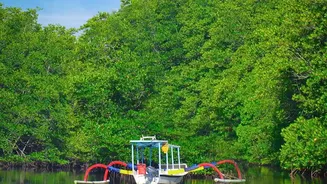
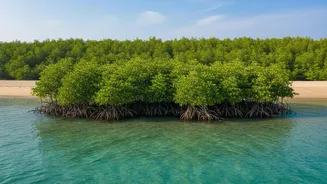
The solution, it turns out, has been there all along. Mangroves are uniquely adapted trees that thrive in the harsh, salty environment where land meets sea. They are nature's most effective coastal engineers. Their intricate and dense root systems act like a net, trapping sediment that flows from rivers and is carried by tides. This process not only prevents existing soil from washing away but actively builds up the shoreline over time. During cyclones and storm surges, these dense forests act as a formidable natural barrier, absorbing and dissipating the energy of the waves. Studies have shown that a healthy mangrove forest can reduce wave height significantly, protecting the land and people behind it far more effectively than a concrete sea wall.
A Community-Powered Process
The real power of this strategy lies in the hands of local volunteers. Across Eastern India, community-led projects, often in partnership with forest departments and NGOs, are driving the restoration efforts. The process is hands-on and deeply embedded in local knowledge. It begins with identifying suitable degraded areas through scientific analysis of soil salinity and tidal patterns. Villagers then collect mangrove seeds, known as propagules, from healthy forests. These are nurtured into saplings in community-run nurseries, a task in which local women often take the lead, providing a vital source of income. When the saplings are ready, the community comes together for the plantation drives, carefully planting them in the intertidal zones. This involvement fosters a deep sense of ownership, crucial for the long-term success of the new forest.
More Than Just a Green Wall
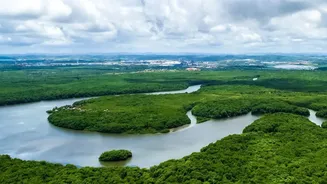
The benefits of these bio-shields extend far beyond just preventing erosion. Mangrove forests are vital nursery grounds for countless species of fish, crabs, and shrimp. Their restoration revitalises local fisheries, providing both food security and economic opportunity. In one area of the Sundarbans, the number of crab collectors grew from 50 to over 500 after a major restoration project, demonstrating the direct economic impact. These forests are also biodiversity hotspots, providing habitats for birds and other wildlife. Furthermore, mangroves are blue carbon powerhouses, capable of sequestering up to four times more carbon per hectare than terrestrial rainforests, making them a critical tool in the fight against climate change.
Challenges on a Rising Tide
Despite the successes, the path to restoring India's mangrove shield is not without its obstacles. Ensuring the survival of the saplings requires constant monitoring and protection from grazing, a responsibility often taken up by the volunteers themselves through watch systems. Securing consistent funding and navigating administrative hurdles can be challenging for grassroots movements. Moreover, the very threat these forests are designed to combat—climate change—continues to loom large, promising stronger storms and faster sea-level rise. Simply planting trees is not enough; success depends on scientific site selection and addressing the underlying causes of degradation to ensure these new forests can mature and thrive.